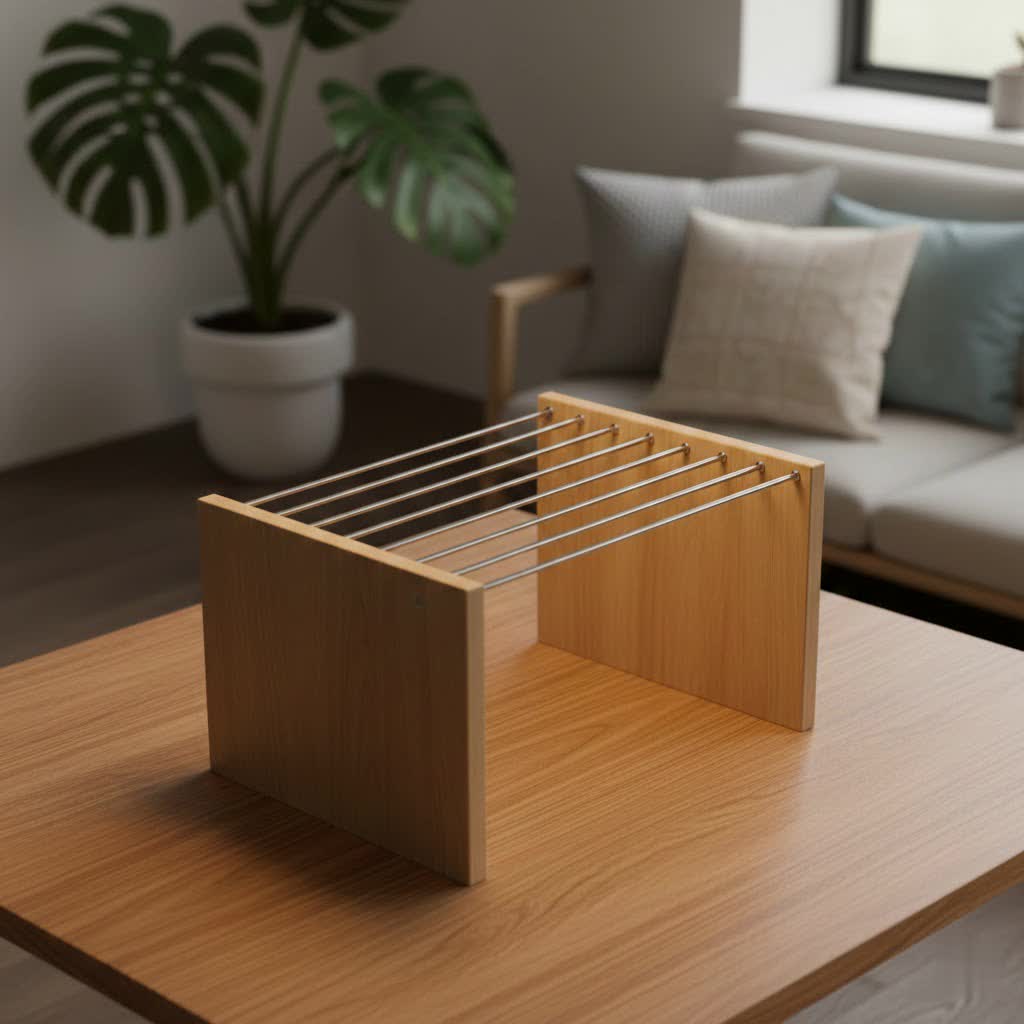
Wall hanging drying racks offer an efficient solution for air-drying clothes by transforming unused vertical space into functional drying zones, freeing up floor space in compact homes. These racks are typically made from durable materials like stainless steel or aluminum and can support significant weight, with many models holding 30 to over 70 pounds when properly installed. They are ideal for small apartments or any dwelling where traditional freestanding racks are impractical, providing a permanent yet discreet laundry solution.
Overview of Drying Racks
Drying racks are essential household tools designed to air-dry clothes, delicates, and other items. Their primary purpose is to provide a dedicated space for laundry to dry naturally, protecting fabrics from the harshness of machine dryers, reducing energy consumption, and preventing wrinkles. Historically, drying clothes involved simple lines or rudimentary racks. Over time, these evolved into more sophisticated, space-saving designs. Wall-mounted drying racks represent a significant advancement, offering a permanent yet discreet solution to air-drying needs, moving laundry off the floor and out of the way. For complete home library on this site.
Popular Types of Wall Hanging Drying Racks on the Market
The versatility of wall hanging drying racks stems from their diverse designs, each catering to specific needs and spaces. Whether you’re air-drying a few delicate items or a full load of laundry, there’s a wall-mounted option designed for you.
Retractable/Accordion Wall Racks
These are perhaps the most common type of wall-mounted drying rack, known for their ability to extend outwards when in use and fold flat against the wall when not needed. They typically feature multiple rods or lines, offering substantial drying space without permanently encroaching on your room.
- Advantages:
- Excellent space-savers: They disappear when not in use, making them ideal for small laundry rooms, bathrooms, or balconies.
- Varying capacities: Available in different widths and depths to suit different load sizes.
- Versatile materials: Often made from durable materials like aluminum, stainless steel, or coated wood, offering rust resistance and longevity.
- Disadvantages:
- Installation required: Most models necessitate drilling into wall studs for secure mounting, which might be a drawback for renters.
- Fixed position: Once installed, their location is permanent.
- Material Considerations: Look for high-grade stainless steel (like 304) for rust resistance, especially in humid environments, or powder-coated aluminum for a lightweight yet sturdy option. Wooden racks often feature a waterproof coating to prevent warping.
Multi-Tiered Wall Racks
While less common as purely “wall-mounted” and more often seen as freestanding, some innovative wall-mounted designs incorporate multiple vertical tiers or adjustable levels. These maximize drying capacity within a smaller horizontal footprint.
- Types: Some models might feature a fixed lower rack with an additional height-adjustable second rack or integrated towel bars beneath the main drying rods.
- Health-Safe Materials: For any rack, especially those that might come into contact with sensitive items or serve dual purposes, materials like stainless steel 304 and high-quality, non-toxic plastics (e.g., PP) are preferred for safety and durability.
- Cleaning and Maintenance: These racks benefit from the same maintenance as other types: regular wiping with a damp cloth and mild detergent, followed by thorough drying to prevent water spots or rust. Checking for loose screws every few months is also crucial for stability.
Versatile/Specialty Wall Racks
|
Our Picks for the Best Drying Rack in 2026
As an Amazon Associate I earn from qualifying purchases.
|
||
| Num | Product | Action |
|---|---|---|
| 1 | Honey-Can-Do Collapsible Laundry Drying Rack, Sturdy Steel, Foldable & Portable Clothes Drying Rack, Space-Saving Design, Indoor & Outdoor Drying, Ideal for Laundry Room 50lb Capacity, Silver |

|
| 2 | 2026 Enhanced Clothes Drying Rack - Foldable Drying Rack Clothing for Laundry - Small Collapsible Portable Dryers for Laundry - Use for Indoor & Outdoor - White 37.5"x29"x12" |
|
| 3 | Honey-Can-Do Collapsible Clothes Drying Rack – Durable, Space-Saving Laundry & Towel Rack, Sturdy Clothing Rack for Hanging Clothes Indoors & Outdoors, Steel |
|
| 4 | HOMIDEC Clothes Drying Rack, Oversized 4-Tier(67.7" High) Foldable Stainless Steel Drying Rack Clothing, Movable Drying Rack with 4 castors, 24 Drying Poles and 14 Hooks for Bed Linen, Clothing, Grey |
|
| 5 | Honey-Can-Do Collapsible Bamboo Drying Rack – Sturdy & Foldable Laundry Drying Rack, Space-Saving & Portable Clothes Rack for Air-Drying Clothes, Towels, Blankets & Delicates, Indoor & Outdoor Use. |
|
| 6 | Clothes Drying Rack Tripod,Drying Rack Clothing,Laundry Drying Rack,Floor Standing,16 Wooden Poles,Collapsible Drying Racks for Laundry,Retractable,Foldable,Folding |
|
| 7 | Whitmor Folding Drying Rack, White |
|
| 8 | Drying Rack Clothing, 3-Tier Clothes Drying Rack Foldable, Antirust Laundry Drying Rack Collapsible Use for Indoor & Outdoor, 11.8" D x 34.6" W x 35.4" H, White |
|
| 9 | JASIWAY Dish Drying Rack in Sink, Expandable Stainless Steel Dish Drainers for Kitchen Counter, Dish Dryer Rack for Inside Sink, Over The Sink Dish Racks with Utensil Holder, Silver |
|
| 10 | Foldable Drying Rack Clothing, 3-Tier Portable Clothes Drying Racks for Indoor & Outdoor, Anti-Rust Compact Laundry Rack Collapsible, White 28" D x 10" W x 35" H |
|
Beyond basic retraction, the market offers wall-mounted drying racks with specialized features designed to enhance convenience and drying efficiency.
- Features and Applications:
- Wind-proof holes and clips: Some racks include integrated clips or holes to secure smaller items like socks or underwear, preventing them from being blown away outdoors or falling off indoors.
- Motorized lift systems: High-end models, like the Foxydry Air for Walls, offer motorized lifting, allowing you to raise and lower the rack with a remote control, making it easier to load and unload laundry.
- Warm air fans: Certain advanced racks incorporate built-in fans for quicker drying, especially useful in cold or humid conditions, providing an energy-efficient alternative to a traditional dryer.
- Integrated lighting: Some motorized racks include LED lighting for better illumination in laundry areas.
- Design and Convenience: These racks often boast sleek, modern designs that can seamlessly blend into contemporary home aesthetics. Their clever features prioritize user comfort and efficiency.
Comparison Table of Wall Hanging Drying Racks
| Feature | Retractable/Accordion Rack | Multi-Tiered Rack (Wall-Mounted Variant) | Specialty Rack (e.g., Motorized/Heated) |
|---|---|---|---|
| Material | Aluminum, Stainless Steel, Coated Wood, ABS Plastic | Stainless Steel (304), Coated Steel, Aluminum | Aluminum, Stainless Steel, Advanced Plastics |
| Dimensions | Compact when folded (e.g., 2-4″ deep), extended (15-30″ deep) | Varies, often vertically oriented to maximize rods | Varies, often larger footprint or more substantial casing for motors |
| Load Capacity | Moderate to Heavy (15-50 lbs, depending on model/material) | Moderate to Heavy (20-60 lbs) | High (up to 75 lbs or more) |
| Pros | Saves significant floor space, simple to operate, wide availability, often affordable. | Maximizes vertical drying space, good for varied item lengths, robust. | Automated convenience, faster drying (heated models), integrated light, high capacity. |
| Cons | Requires drilling for installation, might not hold extremely heavy loads without robust mounting. | Less common as purely wall-mounted; designs can be less streamlined. | Higher cost, requires electrical outlet, more complex installation, potential maintenance for moving parts. |
| Price | Low to Medium | Medium | High |
Suggestions for Selection:
- For Small Apartments/Minimalist Homes: A retractable or accordion rack is an excellent choice for its ability to vanish when not in use.
- For Heavy Loads/Frequent Use: Opt for a robust, multi-tiered or specialty rack made from high-grade steel, ensuring it’s securely mounted into wall studs.
- For Tech-Savvy Users/Maximum Convenience: A motorized or heated specialty rack provides the ultimate in ease and efficiency, though at a higher price point.
How to Choose the Right Wall Hanging Drying Rack (Buying Guide)
Selecting the ideal wall hanging drying rack involves a thoughtful assessment of your specific laundry habits and living situation. Consider these factors to make an informed decision:
Assess Your Needs
Begin by understanding what you primarily need the rack for.
- Type of Items: Are you drying delicate garments, everyday clothes, heavy towels, shoes, or a mix? Some racks are better suited for specific items (e.g., flat mesh surfaces for sweaters).
- Laundry Volume: How much laundry do you typically air-dry at once? This will dictate the required linear feet of drying space. A family will need significantly more capacity than a single individual.
- Drying Space: Where will the rack be installed?
- Indoor: Laundry room, bathroom, utility closet, spare room.
- Outdoor: Balcony, patio.The chosen location influences material requirements (e.g., weather resistance for outdoor use).
Select Appropriate Material
The material of your drying rack directly impacts its durability, weight capacity, and appearance.
- Stainless Steel (e.g., 304): Excellent for rust resistance, strength, and longevity, especially in humid environments like bathrooms or outdoors.
- Aluminum: Lightweight, rust-resistant, and strong, often used in retractable designs.
- Coated Steel: Offers good strength and is more affordable than stainless steel, but ensure the coating is durable to prevent chipping and rust.
- Wood: Aesthetically pleasing, especially for traditional decor, but must be treated with a waterproof finish to prevent warping and mold.
- Plastic: Usually the most affordable and lightweight, but less durable and may not support heavy loads.
Prioritize materials that are durable, easy to clean, and suitable for the intended environment.
Consider Size and Load Capacity
A crucial aspect is ensuring the rack fits your space and can handle your laundry.
- Dimensions: Measure the available wall space carefully, both horizontally and vertically. Consider the rack’s dimensions when extended and when folded flat.
- Load Capacity: Check the manufacturer’s specified weight limit. Wall-mounted racks can hold significant weight (some up to 220 pounds) if properly installed into wall studs. Don’t overload the rack, as this can cause damage or instability.
Design and Features
Modern wall hanging drying racks come with a variety of features that enhance functionality.
- Foldable/Retractable: A must-have for space-saving. Look for smooth mechanisms that operate easily.
- Adjustable Height: Some models offer adjustable height, allowing you to dry longer items without them touching the floor.
- Integrated Hooks/Clips: Handy for small items and accessories.
- Aesthetics: Choose a design and color that complements your home decor. A rack that looks like a decorative shelf when folded can be a bonus.
Brand and Price
Investing in a quality drying rack will pay off in the long run.
- Reputable Brands: Opt for brands known for quality laundry solutions. While specific brands are not mentioned here, looking at customer reviews and product warranties can guide your choice.
- Price vs. Value: The cheapest option isn’t always the best. A higher price often reflects superior materials, construction, and features, leading to greater satisfaction and longevity. Compare prices and features to find the best value for your budget.
Tips for Using and Maintaining Your Wall Hanging Drying Rack
Proper use and regular maintenance will extend the life of your wall hanging drying rack and ensure efficient drying.
- Effective Use for Quick Drying:
- Even Distribution: Distribute laundry evenly across the rods to promote airflow and prevent sagging.
- Space Between Items: Leave adequate space between garments for air to circulate, which speeds up drying and prevents mildew.
- Ventilation: If drying indoors, open windows or use a fan to improve air circulation, especially in humid conditions.
- Sunlight (Outdoor): Utilize natural sunlight when drying outdoors to kill bacteria and naturally bleach whites.
- Cleaning and Care Tips for Longevity:
- Regular Wiping: Wipe down the rods and frame with a damp cloth and mild soap every two weeks or after each use to remove dust, lint, and residue.
- Thorough Drying: Always dry the rack completely after cleaning or use, especially if it’s not made of rust-proof material, to prevent water spots and rust.
- Avoid Harsh Chemicals: Do not use abrasive cleaners or harsh chemicals, as they can damage the finish and material.
- Check Fastenings: Every 2-3 months, check all screws and wall fixings to ensure they are tight and secure. Reinforce if any wobbling is detected.
- Rust Prevention: If rust spots appear on metal racks, gently scrub with a paste of baking soda and water, or use a specialized rust remover.
- Common Mistakes and How to Avoid Them:
- Overloading: Exceeding the stated weight capacity can damage the rack or pull it from the wall. Always respect the load limit.
- Improper Installation: Failure to anchor the rack into wall studs (if required) or using inadequate hardware can lead to the rack falling. Always follow installation instructions carefully and use appropriate anchors.
- Ignoring Wear and Tear: Regularly inspect the rack for signs of damage or wear, such as loose joints or frayed lines, and address them promptly.
Conclusion
Wall hanging drying racks offer an ingenious and stylish solution for managing laundry in any home, particularly where space is at a premium. By leveraging vertical space, these racks provide a stable, efficient, and environmentally friendly alternative to machine drying, helping you save energy and extend the life of your garments. From retractable designs that virtually disappear to advanced motorized models, there’s a perfect wall-mounted drying rack to suit every need and aesthetic. By understanding the different types, considering essential buying factors like material and capacity, and committing to simple maintenance, you can improve your laundry routine into a seamless and clutter-free experience. Are you ready to reclaim your floor space and embrace smarter drying?
Frequently Asked Questions
How much weight can a wall-mounted drying rack hold?
The weight capacity of a wall-mounted drying rack varies significantly by model and installation. Many robust racks, when properly installed into wall studs with appropriate hardware, can hold between 30 to over 70 pounds, with some heavy-duty designs even supporting up to 220 pounds. Always check the manufacturer’s specifications and ensure secure installation.
Are wall-mounted drying racks easy to install?
Installation ease depends on the rack type and your wall. Many require drilling into wall studs for maximum stability, which can be a DIY project but often benefits from professional help. Some simpler models or those designed for smooth surfaces offer punch-free adhesive options, but these may have lower weight capacities.
Can wall hanging drying racks be used outdoors?
Yes, many wall-mounted drying racks are suitable for outdoor use, especially those made from weather-resistant materials like stainless steel or powder-coated aluminum. When choosing an outdoor rack, prioritize materials that won’t rust or degrade when exposed to the elements, and ensure proper drainage to prevent water accumulation.
What are the benefits of choosing a wall-mounted drying rack over a freestanding one?
Wall-mounted drying racks offer significant space-saving advantages by utilizing vertical wall space, leaving your floor clear and reducing clutter. They are generally more stable and can support heavier loads than many freestanding models, and they often blend more seamlessly into your home decor when folded away.
How do I maintain my wall hanging drying rack to prevent rust?
To prevent rust, regularly wipe down your metal drying rack with a damp cloth and mild detergent, and always dry it thoroughly after each use or cleaning. Store it in a dry area when not in use. For added protection, consider racks made from high-grade stainless steel or those with durable, rust-resistant coatings.
Frequently Asked Questions
How much weight can a wall-mounted drying rack hold?
The weight capacity of a wall-mounted drying rack varies significantly by model and installation. Many robust racks, when properly installed into wall studs with appropriate hardware, can hold between 30 to over 70 pounds, with some heavy-duty designs even supporting up to 220 pounds. Always check the manufacturer's specifications and ensure secure installation.
Are wall-mounted drying racks easy to install?
Installation ease depends on the rack type and your wall. Many require drilling into wall studs for maximum stability, which can be a DIY project but often benefits from professional help. Some simpler models or those designed for smooth surfaces offer punch-free adhesive options, but these may have lower weight capacities.
Can wall hanging drying racks be used outdoors?
Yes, many wall-mounted drying racks are suitable for outdoor use, especially those made from weather-resistant materials like stainless steel or powder-coated aluminum. When choosing an outdoor rack, prioritize materials that won't rust or degrade when exposed to the elements, and ensure proper drainage to prevent water accumulation.
What are the benefits of choosing a wall-mounted drying rack over a freestanding one?
Wall-mounted drying racks offer significant space-saving advantages by utilizing vertical wall space, leaving your floor clear and reducing clutter. They are generally more stable and can support heavier loads than many freestanding models, and they often blend more seamlessly into your home decor when folded away.
How do I maintain my wall hanging drying rack to prevent rust?
To prevent rust, regularly wipe down your metal drying rack with a damp cloth and mild detergent, and always dry it thoroughly after each use or cleaning. Store it in a dry area when not in use. For added protection, consider racks made from high-grade stainless steel or those with durable, rust-resistant coatings.
Choose the Right Wall Hanging Drying Rack
Selecting the ideal wall hanging drying rack involves assessing your laundry habits and living situation to ensure it meets your specific needs.
Determine the type and volume of items you typically air-dry, such as delicate garments or heavy towels. Also, identify the intended drying space, whether indoor (laundry room, bathroom) or outdoor (balcony), as this influences material requirements.
Choose a material based on durability, weight capacity, and environment. Stainless steel (e.g., 304) is excellent for humid conditions, aluminum is lightweight and rust-resistant, while coated steel offers strength at a lower cost. Wood requires a waterproof finish, and plastic is the most affordable but least durable.
Measure your available wall space carefully, both horizontally and vertically, accounting for the rack's dimensions when extended and folded. Check the manufacturer's specified weight limit; many racks can hold 30-70 pounds, with some heavy-duty models supporting up to 220 pounds if properly installed into wall studs.
Look for features that enhance functionality, such as foldable/retractable mechanisms for space-saving, adjustable height for longer items, or integrated hooks/clips for small accessories. Consider the rack's aesthetics to ensure it complements your home decor, potentially blending in as a decorative shelf when folded.
Invest in a quality rack from a reputable brand known for laundry solutions, checking customer reviews and product warranties. While the cheapest option may not be the best, compare prices and features to find the best value, as a higher price often indicates superior materials and construction for greater longevity.
Get our weekly buyer guide
Practical specs, not advice. Unsubscribe anytime.

I was really struggling with laundry in my tiny apartment, and this guide to wall hanging drying racks was a lifesaver. I ended up getting one of the stainless steel models mentioned, and it’s fantastic. It holds so much more than I expected, easily handling a full load of jeans and towels without any issues. My floor space is finally clear!
This post convinced me to finally get a wall hanging drying rack, and I’m so glad I did. I chose a retractable model for my laundry room, and it’s incredibly discreet when not in use. It’s made a huge difference in keeping my small space organized and my clothes last longer since I’m not always machine drying everything.
I’ve been looking for a good solution for delicates, and the idea of using vertical space really appealed to me. I picked up one of the aluminum racks that can hold around 30 pounds, and it’s perfect for my needs. Installation was pretty straightforward, and it feels very sturdy. It’s great to have a dedicated spot for air-drying now.
While I appreciate the concept of wall-mounted racks for small spaces, the one I got (not from the top brands listed, admittedly) didn’t quite live up to the 70-pound weight capacity claim. It sags a bit with heavier items, which is a bit disappointing. I’d recommend sticking to the higher-end models if you have a lot of heavy laundry.