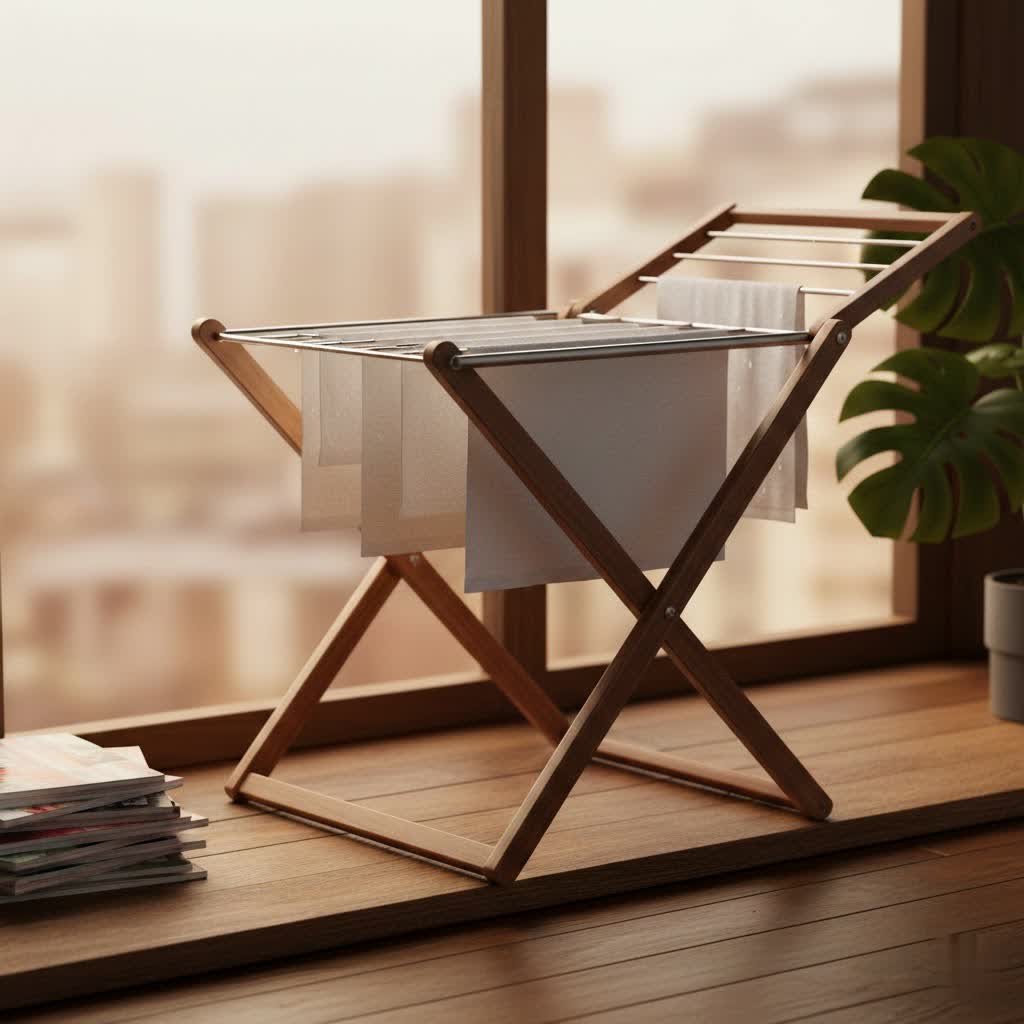
For many households, the endless cycle of laundry is a weekly, or even daily, reality. While modern dryers offer convenience, they can be harsh on delicate fabrics, costly to operate, and sometimes simply unavailable in smaller living spaces. This is where the humble laundry drying rack steps in, offering an energy-efficient, gentle, and space-saving alternative to keep your clothes fresh and extend their lifespan. Choosing the right drying rack can significantly streamline your laundry routine, transforming a chore into an effortless task. This comprehensive guide will explore the diverse types, essential materials, and key considerations to help you select the ideal drying rack that perfectly fits your home and lifestyle.
An Overview of Laundry Drying Racks
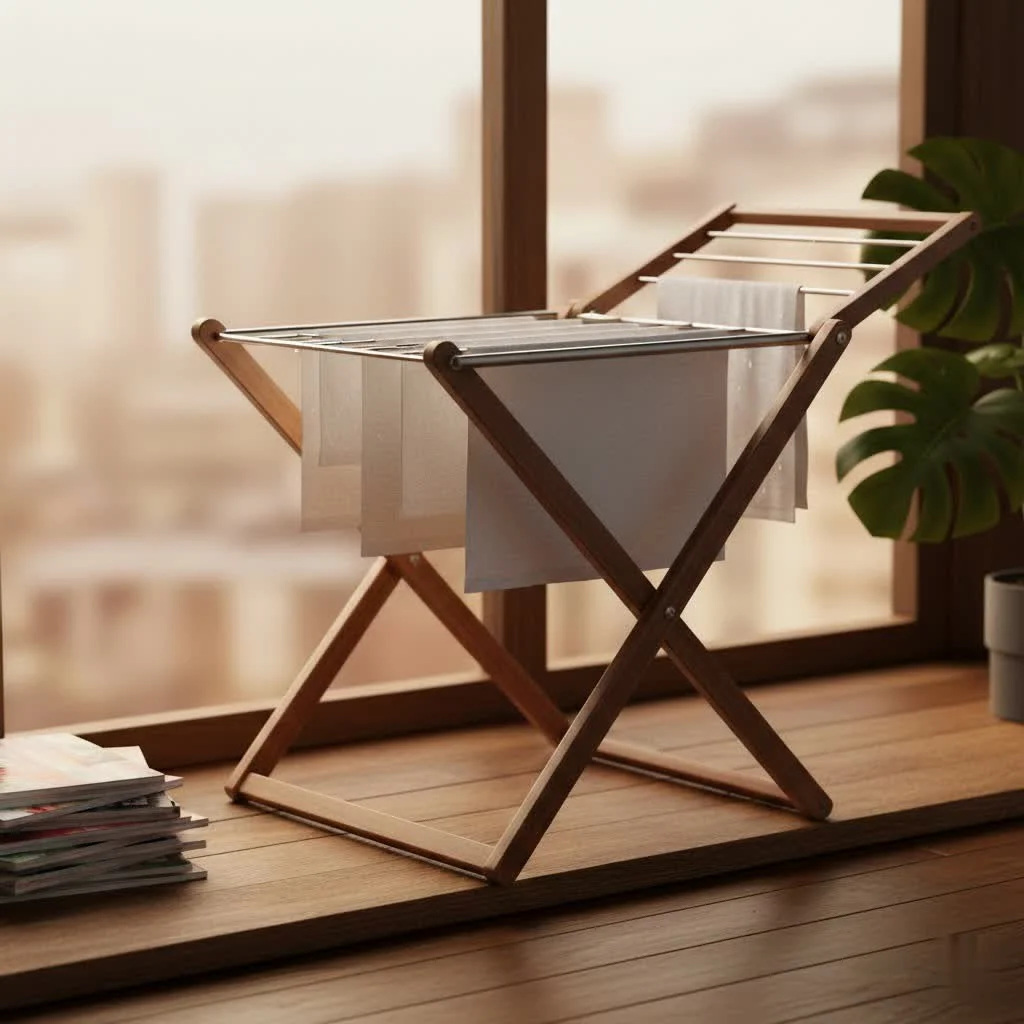
A drying rack, often referred to as a clothes airer or clothes horse, is a fundamental household tool designed to air-dry freshly washed laundry. Its primary purpose is to provide a dedicated structure where garments can hang or lie flat, allowing natural air circulation to evaporate moisture. Beyond simply drying clothes, these racks offer numerous benefits, including significant energy savings by reducing reliance on electric dryers, preventing heat damage and shrinking of delicate fabrics, and contributing to a more eco-friendly home by lowering your carbon footprint.
The evolution of drying racks reflects a continuous pursuit of practicality and efficiency. From simple outdoor clotheslines, which have been used for centuries, to the intricate, space-saving designs available today, drying solutions have adapted to modern living. Today’s market offers a wide array of options, broadly categorized into freestanding, wall-mounted, and retractable designs, each engineered to address specific needs and spatial constraints.
Popular Types of Drying Racks on the Market
The versatility of drying racks means there’s a solution for almost every laundry need and living situation. Understanding the distinct characteristics of each type is crucial for making an informed choice.
Clothes Drying Racks
Clothes drying racks are designed specifically for airing garments and come in various configurations to maximize utility and space efficiency.
- Folding/Accordion/Gullwing Racks: These are perhaps the most recognizable and widely used types of laundry drying racks. Their design allows them to fold flat for easy storage when not in use, making them ideal for apartments or homes with limited space. Gullwing racks are a popular subtype, featuring two wings that extend outwards, providing ample hanging space and often adjustable heights for longer items. They typically offer a good balance of capacity and portability, suitable for medium to large loads. While highly convenient, their stability can vary depending on construction and material. Common materials include steel (often powder-coated or stainless), aluminum, wood, and plastic.
- Wall-Mounted Drying Racks: For those seeking a permanent, space-saving solution, wall-mounted racks are an excellent choice. These racks are affixed directly to a wall, often in a laundry room, bathroom, or utility area, and can either fold down or retract when not in use. They free up valuable floor space, making them perfect for compact homes. Available in durable materials like stainless steel or aluminum, they provide a sturdy structure for drying clothes.
- Retractable Drying Racks (Clotheslines): Offering ultimate discretion and space efficiency, retractable clotheslines feature one or more lines that can be pulled out from a mounted casing and hooked to an opposite wall. When drying is complete, the lines retract back into the unit, completely clearing the space. They are particularly useful for small balconies, patios, or even inside showers. While highly convenient, the lines can sometimes sag with heavy wet loads, and their capacity might be less than larger freestanding models.
- Over-the-Door Racks: These ingenious racks hook over the top of a door, utilizing often-unused vertical space. They are fantastic for small loads, delicates, or single items, and require no installation. However, they can prevent the door from closing fully and typically offer limited drying capacity.
- Ceiling-Mounted Racks: Ideal for maximizing overhead space, especially in utility rooms or garages, ceiling-mounted racks use a pulley system to lower and raise a series of drying rods. This design keeps laundry out of the way, allowing for efficient air circulation and is perfect for drying large items like bedding or even skis and other gear. Installation can be more involved, but the long-term space-saving benefits are considerable.
Dish Drying Racks
|
Our Picks for the Best Drying Rack in 2026
As an Amazon Associate I earn from qualifying purchases.
|
||
| Num | Product | Action |
|---|---|---|
| 1 | 2026 Enhanced Clothes Drying Rack - Foldable Drying Rack Clothing for Laundry - Small Collapsible Portable Dryers for Laundry - Use for Indoor & Outdoor - White 37.5"x29"x12" |

|
| 2 | Clothes Drying Rack Tripod,Drying Rack Clothing,Laundry Drying Rack,Floor Standing,16 Wooden Poles,Collapsible Drying Racks for Laundry,Retractable,Foldable,Folding |
|
| 3 | Foldable Drying Rack Clothing, 3-Tier Portable Clothes Drying Racks for Indoor & Outdoor, Anti-Rust Compact Laundry Rack Collapsible, White 28" D x 10" W x 35" H |
|
| 4 | Honey-Can-Do Collapsible Bamboo Drying Rack – Sturdy & Foldable Laundry Drying Rack, Space-Saving & Portable Clothes Rack for Air-Drying Clothes, Towels, Blankets & Delicates, Indoor & Outdoor Use. |
|
| 5 | Honey-Can-Do Collapsible Laundry Drying Rack, Sturdy Steel, Foldable & Portable Clothes Drying Rack, Space-Saving Design, Indoor & Outdoor Drying, Ideal for Laundry Room 50lb Capacity, Silver |
|
| 6 | Whitmor Folding Drying Rack, White |
|
| 7 | Drying Rack Clothing, 3-Tier Clothes Drying Rack Foldable, Antirust Laundry Drying Rack Collapsible Use for Indoor & Outdoor, 11.8" D x 34.6" W x 35.4" H, White |
|
| 8 | JASIWAY Dish Drying Rack in Sink, Expandable Stainless Steel Dish Drainers for Kitchen Counter, Dish Dryer Rack for Inside Sink, Over The Sink Dish Racks with Utensil Holder, Silver |
|
| 9 | HOMIDEC Clothes Drying Rack, Oversized 4-Tier(67.7" High) Foldable Stainless Steel Drying Rack Clothing, Movable Drying Rack with 4 castors, 24 Drying Poles and 14 Hooks for Bed Linen, Clothing, Grey |
|
| 10 | Honey-Can-Do Collapsible Clothes Drying Rack – Durable, Space-Saving Laundry & Towel Rack, Sturdy Clothing Rack for Hanging Clothes Indoors & Outdoors, Steel |
|
While sharing the “drying rack” nomenclature, dish drying racks serve a distinct purpose – to air-dry washed dishes, glasses, and utensils. They are typically found on kitchen countertops or over sinks. Unlike laundry racks designed for draping garments, dish racks focus on water drainage and compartmentalization for various kitchenware. Materials like stainless steel, plastic, and silicone are common for their rust resistance and hygienic properties. Types include traditional countertop models with drain boards, roll-up racks that sit over the sink, and sometimes small wall-mounted versions for specific items.
Multipurpose Drying Racks
Many modern drying racks incorporate features that extend their utility beyond simple clotheslines, making them truly multipurpose. These innovations include flat mesh shelves for drying delicate sweaters without stretching, integrated clips for small items like socks and underwear, and even dedicated shoe holders. These racks prioritize versatility, allowing you to dry a diverse range of items efficiently within a single unit, often with intelligent designs that are still foldable or adjustable for convenience.
Comparison Table of Various Drying Rack Types
Understanding the core differences between common drying rack types can simplify your decision-making process. Here’s a quick comparison:
| Feature | Folding/Gullwing Laundry Rack | Wall-Mounted Laundry Rack | Dish Drying Rack (Countertop/Roll-Up) |
|---|---|---|---|
| Primary Use | Clothes, towels, delicates | Clothes, towels, intimates | Dishes, utensils, glasses, cookware |
| Material | Stainless steel, powder-coated steel, aluminum, wood, plastic | Stainless steel, aluminum, plastic | Stainless steel, plastic, silicone |
| Space Utilization | Portable, foldable, occupies floor space when open, stores compactly | Utilizes vertical wall space, fixed installation | Countertop or over-sink space, some are rollable for storage |
| Capacity | Medium to High (depending on model) | Medium | Medium to High (designed for kitchenware volume) |
| Pros | Flexible placement, easy to store | Frees up floor space, sturdy, permanent drying | Dedicated design for kitchen items, good drainage |
| Cons | Can wobble if flimsy, requires floor space when in use | Fixed location, installation required | Occupies counter space (traditional), limited for large pots (roll-up) |
| Typical Price | Moderate | Moderate | Low to Moderate |
Your Essential Buying Guide for Laundry Drying Racks
Choosing the right laundry drying rack is about aligning its features with your specific needs. Consider these factors before making your purchase.
Assess Your Drying Needs
Start by evaluating what and how much you typically need to dry. Do you primarily air-dry delicate lingerie, sweaters that require flat drying, heavy towels, or everyday garments? The quantity of laundry also matters; a single person might need a compact rack, while a large family would benefit from a high-capacity, multi-tiered solution. Also, consider where you’ll be drying your clothes—indoors (in a laundry room, bathroom, or balcony) or outdoors, as this will influence material and design choices.
Choose the Right Material
The material of your drying rack directly impacts its durability, weight, and suitability for different environments.
- Stainless Steel: Known for its exceptional durability and rust-resistance, stainless steel is an excellent choice for both indoor and outdoor use. It can support heavy loads and is easy to clean, though it tends to be more expensive.
- Aluminum: Lightweight and inherently rust-proof, aluminum racks are highly portable and ideal for small spaces or travel. However, they may not be as sturdy as steel and can bend under excessive weight.
- Powder-Coated Steel: This option offers a balance of affordability and strength. The coating provides some rust protection, but it can chip over time, potentially exposing the steel to rust.
- Wood (Bamboo or Teak): For an aesthetic and eco-friendly option, wooden racks are appealing. Bamboo, in particular, is moisture-resistant. These racks blend well with home decor but may require occasional maintenance (like oiling) to prevent warping or cracking from excessive moisture exposure.
- Plastic: The most budget-friendly and lightweight option, plastic racks are resistant to rust but generally less durable than metal or wood. They can become brittle over time, especially with prolonged sun exposure.
Consider Size and Capacity
The “capacity” of a drying rack is typically measured in linear feet, representing the total length of all drying rods. A larger linear foot measurement means more hanging space. Think about the average load size you dry and ensure the rack can accommodate it without clothes being cramped, which hinders airflow and slows drying. Also, consider the physical dimensions of the rack when fully open and when folded for storage. It should fit comfortably in your designated drying area and be easy to store away.
Evaluate Design and Features
Modern drying racks come with a variety of thoughtful designs and features that enhance usability. Look for foldability and adjustability, such as adjustable wing heights or telescoping rods, which allow you to customize the rack for different garment lengths. Special features like mesh shelves are invaluable for flat-drying delicate items like sweaters, preventing stretching. Integrated clips are perfect for socks and small accessories, while hanger slots can help air-dry shirts and dresses without creasing. Stability is paramount; a sturdy frame and non-slip feet will prevent the rack from tipping over, especially when loaded with wet, heavy laundry.
Brand Reputation and Budget
Investing in a drying rack from a reputable brand often means better quality, durability, and customer support. Research brands known for their laundry accessories and check for product warranties. While it’s tempting to opt for the cheapest option, balancing cost with quality ensures you get a rack that performs well and lasts. Sometimes, paying a little more upfront for a well-constructed rack saves money in the long run by avoiding frequent replacements.
Tips for Efficient Use and Longevity of Your Drying Rack
To get the most out of your laundry drying rack and ensure it serves you well for years to come, consider these practical tips.
Effective Usage
- Maximize Airflow: The key to quick drying is ample air circulation. Space out your clothes on the rods, avoiding overcrowding. Hang heavier items on outer rods and lighter pieces on inner ones to promote even drying. For garments like shirts, use hangers on the rack if it has appropriate slots to maintain shape and reduce wrinkles.
- Prevent Wrinkles: Shake out each garment before hanging it to release creases. For items prone to wrinkling, like dress shirts or trousers, hang them on hangers directly on the rack or smooth them out by hand. Laying sweaters flat on mesh shelves will help them retain their shape and prevent stretching.
- Optimal Placement: Position your drying rack in an area with good air circulation, such as near an open window or in a room with a fan. Avoid damp or poorly ventilated spaces, which can lead to musty odors and slower drying times.
Maintenance & Care
- Regular Cleaning: To prevent dust buildup, mildew, or rust, especially on metal racks, wipe down the rods and frame regularly with a damp cloth. For wooden racks, follow manufacturer recommendations for cleaning and occasional oiling to maintain the wood’s integrity.
- Proper Storage: When not in use, fold your drying rack and store it in a dry, protected area. This prevents unnecessary wear and tear from elements if used outdoors, or keeps it clean and out of the way indoors.
- Inspect for Wear: Periodically check all joints, hinges, and connections for any signs of loosening or damage. Promptly address any issues to maintain stability and prolong the rack’s lifespan.
Common Mistakes to Avoid
- Overloading: Exceeding the rack’s weight capacity can lead to bending, instability, or even collapse. Distribute laundry evenly to prevent stress on specific sections.
- Improper Placement: Placing a rack in direct, intense sunlight for extended periods can damage certain materials (like plastic) or fade colored garments. Conversely, placing it in a humid, enclosed space will significantly slow drying.
- Neglecting Cleaning: Allowing lint, dust, or moisture to accumulate can degrade the rack’s materials and affect its cleanliness for future laundry.
Conclusion
A well-chosen laundry drying rack is more than just a piece of household equipment; it’s an intelligent investment that enhances your home’s efficiency, promotes garment longevity, and contributes to a sustainable lifestyle. From foldable designs perfect for compact apartments to robust wall-mounted systems for heavy loads, the market offers a diverse array of options tailored to every need. By carefully considering factors such as your specific drying requirements, the ideal material, appropriate size, and innovative features, you can select a drying rack that seamlessly integrates into your daily routine. Take the time to make an informed decision, and you’ll find your laundry day transformed into a more organized, economical, and eco-conscious endeavor.
What’s the one feature you can’t live without in your perfect laundry drying rack?
Frequently Asked Questions
What are the main benefits of using a laundry drying rack?
Using a laundry drying rack significantly reduces energy consumption and electricity bills, extends the life of your clothes by preventing wear and tear from machine dryers, and is an eco-friendly choice. It’s also ideal for delicate fabrics and provides a flexible drying solution for any home.
How do I determine the right size drying rack for my home?
Consider your typical laundry load size and the available space in your home. Measure the area where you intend to use and store the rack. Look for a rack’s linear feet capacity – more linear feet means more hanging space. For small spaces, foldable, wall-mounted, or retractable options are highly recommended.
Get our weekly buyer guide
Practical specs, not advice. Unsubscribe anytime.

I got a wall-mounted drying rack after reading about them here, thinking it would be perfect for my laundry room. While it does save floor space, I found that the installation was a bit trickier than I expected. It’s also not as versatile for larger items like blankets, which is a bit of a bummer. It works fine for smaller loads though.
This guide really helped me understand the different types of racks. I used to just throw everything in the dryer, but now I’m air-drying so much more. I picked up a multi-tier tower rack, and it holds a surprising amount of laundry without taking up too much floor space. My utility bill has even gone down a little!
I’ve been looking for a good drying solution for my delicates and this guide was super helpful. I ended up getting a collapsible accordion-style rack for my small apartment, and it’s been a game-changer. It folds up so easily when I’m not using it, which is perfect for my limited space. My sweaters are finally drying without getting stretched out!
I appreciate the breakdown of different materials. I was always worried about rust on my old metal rack, so I opted for one made of bamboo this time. It feels much sturdier and looks nicer too. It’s great for air-drying my work shirts and saving on electricity. Definitely a worthwhile investment.