Are you tired of shrinking clothes, sky-high energy bills, or a cluttered laundry room? Finding the perfect laundry clothes drying rack can improve your laundry routine, saving you money, preserving your garments, and optimizing your living space. With countless options available, choosing the right drying rack might seem daunting. This comprehensive guide will navigate you through the world of laundry drying racks, offering practical insights and expert advice to help you select the ideal solution for your household.
Understanding the Laundry Clothes Drying Rack
A laundry clothes drying rack, often referred to as a clothes airer or garment dryer, is a household essential designed to air-dry freshly washed garments. Its primary function is to provide a structured space for clothes to dry naturally, serving as a sustainable and gentle alternative to electric dryers.
Historically, clothes drying involved simple clotheslines strung outdoors. Over time, these evolved into more sophisticated designs, adapting to changing living spaces and needs. Today’s market offers everything from basic folding models to advanced wall-mounted and retractable systems, all aimed at making air-drying more efficient and convenient. These innovations ensure that every home, regardless of size or climate, can benefit from air-drying.
While primarily for garments, the concept of drying racks extends to various household items. Modern designs cater specifically to diverse needs, making them versatile tools in any home.
Popular Laundry Clothes Drying Rack Types on the Market
The variety of laundry clothes drying racks available can be overwhelming. Understanding the common types and their unique characteristics is key to making an informed decision.
Clothes Drying Racks
These are the most common types, designed specifically for air-drying garments.
- A-Frame/Accordion Drying Racks: Often collapsible and lightweight, these freestanding racks are popular for their portability and ease of storage. They typically feature multiple horizontal bars, ideal for hanging various clothing items. While great for small to medium loads, some accordion racks might be less stable under heavy loads.
- Gullwing Drying Racks: Characterized by their winged design that folds out, gullwing racks offer substantial drying space and versatility. Many models feature adjustable wings and flat mesh sections, making them suitable for laying delicates flat or hanging longer items. They often come with clips for small items and shoe holders, adding to their functionality.
- Wall-Mounted Drying Racks: Perfect for homes with limited floor space, these racks attach directly to a wall. Options include fixed models that provide permanent drying lines and retractable or folding designs that can be extended when in use and tucked away neatly when not needed. These are highly efficient for maximizing vertical space in laundry rooms, bathrooms, or balconies.
- Ceiling-Mounted Drying Racks: Utilizing overhead space, these racks can be lowered for loading and then hoisted up to the ceiling, keeping laundry out of the way while it dries. Often seen in traditional designs with pulley systems, they are excellent for saving space and utilizing natural warm air rising.
- Over-the-Door Drying Racks: These compact solutions simply hook over any standard door, providing several bars for drying smaller loads or delicates. They are incredibly convenient for apartments or homes where dedicated drying space is scarce and can be easily removed and stored.
Materials for clothes drying racks vary, with common choices including:
- Stainless Steel: Known for exceptional durability and rust resistance, making it suitable for both indoor and outdoor use.
- Powder-Coated Steel/Aluminum: Offers good strength and rust protection, often lighter than stainless steel. Aluminum is naturally rust-proof and lightweight.
- Plastic: Lightweight and budget-friendly, ideal for indoor use, though it may be less durable and prone to warping or cracking over time, especially with heavy loads or direct sunlight.
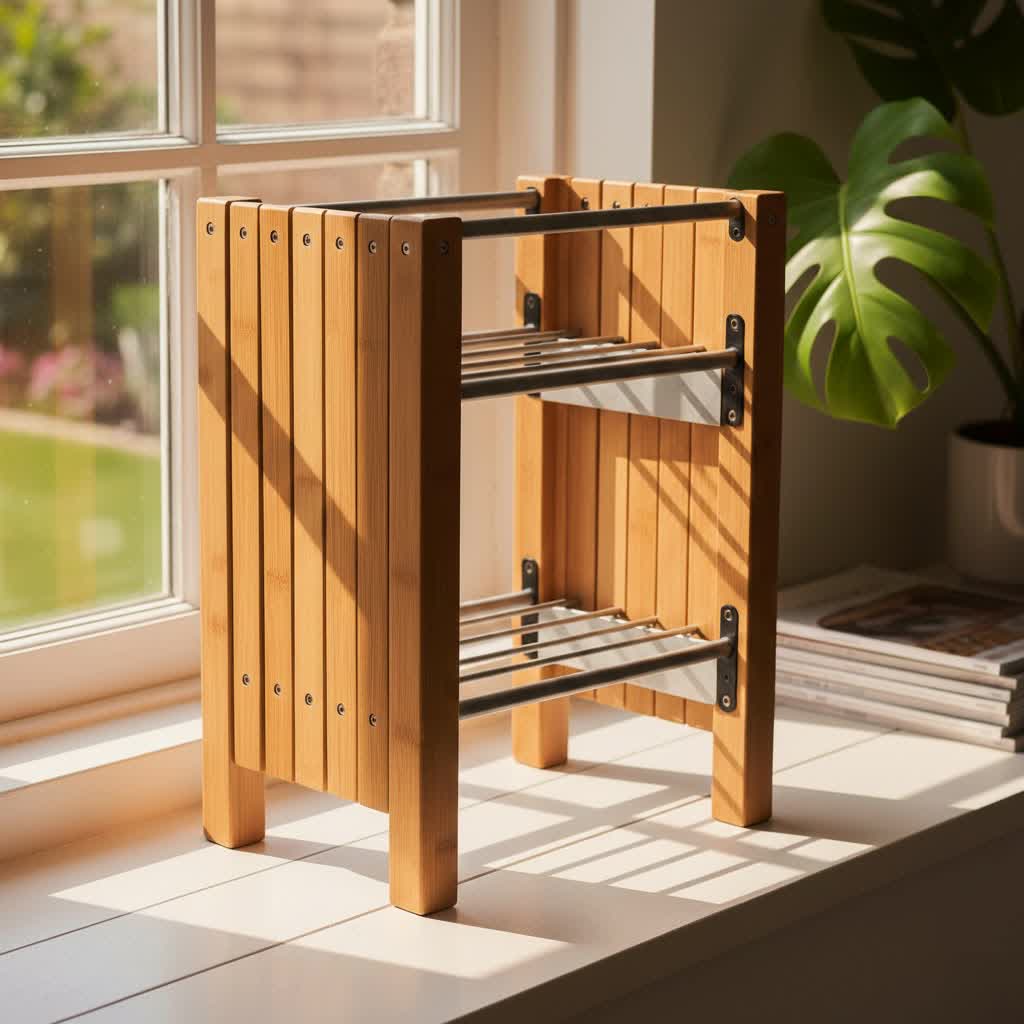
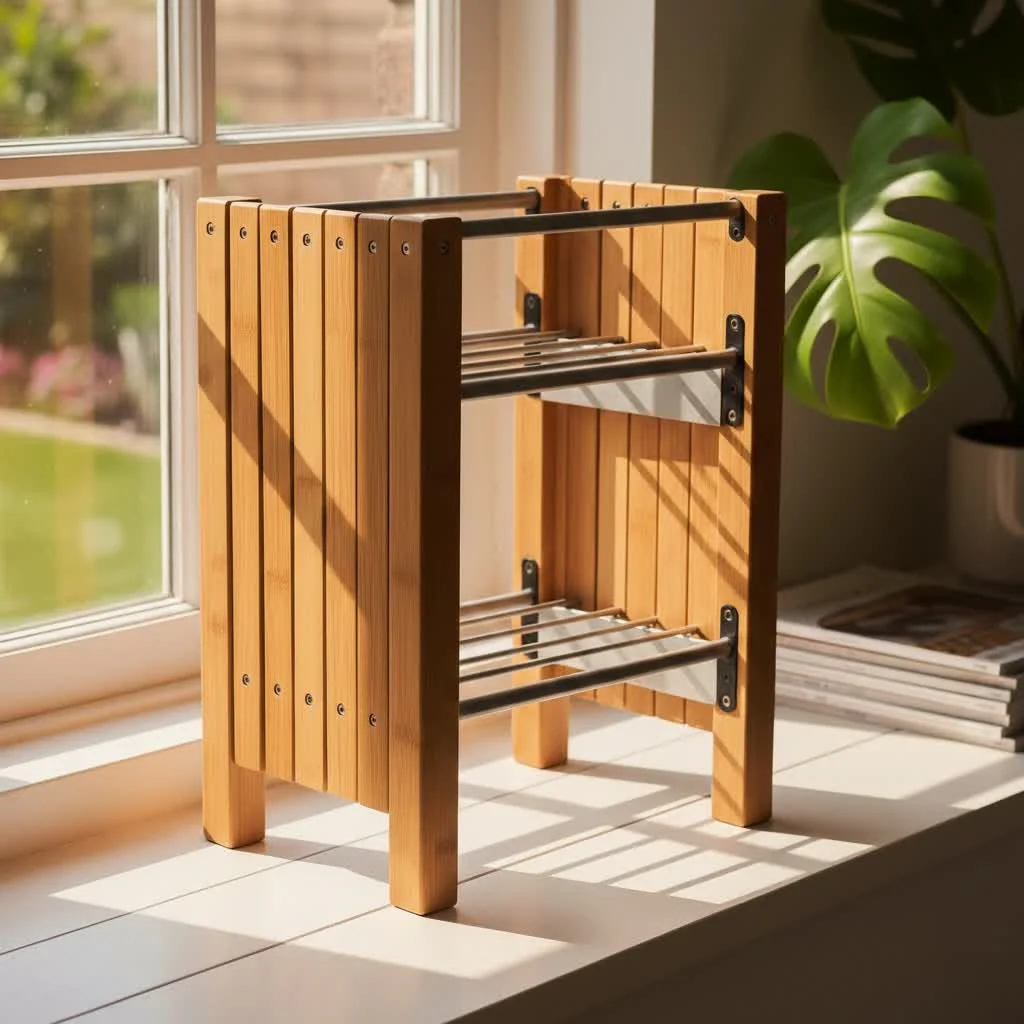
- Wood (e.g., Bamboo, Hardwood): Provides an aesthetic appeal and sturdy structure, often treated with waterproof coatings to prevent mold and warping. Best suited for indoor use.
When choosing a clothes drying rack, consider its stability, the amount of drying space (often measured in linear feet), and whether it can accommodate the types of garments you typically air-dry.
Dish Drying Racks
|
Our Picks for the Best Drying Rack in 2026
As an Amazon Associate I earn from qualifying purchases.
|
||
| Num | Product | Action |
|---|---|---|
| 1 | Honey-Can-Do Collapsible Bamboo Drying Rack – Sturdy & Foldable Laundry Drying Rack, Space-Saving & Portable Clothes Rack for Air-Drying Clothes, Towels, Blankets & Delicates, Indoor & Outdoor Use. |

|
| 2 | Foldable Drying Rack Clothing, 3-Tier Portable Clothes Drying Racks for Indoor & Outdoor, Anti-Rust Compact Laundry Rack Collapsible, White 28" D x 10" W x 35" H |
|
| 3 | JASIWAY Dish Drying Rack in Sink, Expandable Stainless Steel Dish Drainers for Kitchen Counter, Dish Dryer Rack for Inside Sink, Over The Sink Dish Racks with Utensil Holder, Silver |
|
| 4 | Honey-Can-Do Collapsible Clothes Drying Rack – Durable, Space-Saving Laundry & Towel Rack, Sturdy Clothing Rack for Hanging Clothes Indoors & Outdoors, Steel |
|
| 5 | Whitmor Folding Drying Rack, White |
|
| 6 | HOMIDEC Clothes Drying Rack, Oversized 4-Tier(67.7" High) Foldable Stainless Steel Drying Rack Clothing, Movable Drying Rack with 4 castors, 24 Drying Poles and 14 Hooks for Bed Linen, Clothing, Grey |
|
| 7 | Drying Rack Clothing, 3-Tier Clothes Drying Rack Foldable, Antirust Laundry Drying Rack Collapsible Use for Indoor & Outdoor, 11.8" D x 34.6" W x 35.4" H, White |
|
| 8 | Honey-Can-Do Collapsible Laundry Drying Rack, Sturdy Steel, Foldable & Portable Clothes Drying Rack, Space-Saving Design, Indoor & Outdoor Drying, Ideal for Laundry Room 50lb Capacity, Silver |
|
| 9 | 2026 Enhanced Clothes Drying Rack - Foldable Drying Rack Clothing for Laundry - Small Collapsible Portable Dryers for Laundry - Use for Indoor & Outdoor - White 37.5"x29"x12" |
|
| 10 | Clothes Drying Rack Tripod,Drying Rack Clothing,Laundry Drying Rack,Floor Standing,16 Wooden Poles,Collapsible Drying Racks for Laundry,Retractable,Foldable,Folding |
|
While the primary focus is on laundry, dish drying racks are another common household drying solution.
These racks are specifically designed to air-dry washed dishes, cutlery, and cookware, promoting hygiene and preventing water spots.
- Types of Dish Drying Racks:
- 2-Tier/3-Tier Racks: Offer multiple levels to maximize drying capacity, often separating plates, bowls, and cups.
- Racks with Drip Trays: Feature integrated trays to collect excess water, keeping countertops dry and clean.
- Roll-Up Racks: Silicone or metal racks that can be rolled out over a sink for drying, then rolled up for compact storage.
- Health-Safe Materials:
- Stainless Steel 304: Highly favored for its superior rust resistance, durability, and hygienic properties, ensuring no harmful substances transfer to dishes.
- PP Plastic: Lightweight, affordable, and often used for trays or smaller rack components. It should be food-grade to ensure safety.
- Cleaning and Maintenance: Regular cleaning is essential to prevent mold and mildew buildup. Stainless steel racks can be wiped down and occasionally disinfected. Plastic components should be cleaned frequently to avoid odors and discoloration. Allowing the rack to air dry completely after each use also helps prevent bacterial growth.
Multi-Purpose Drying Racks
Some drying racks transcend a single function, offering versatile solutions for various household items.
- Features and Applications: These racks are designed with adaptability in mind. They can be used for drying delicate clothes, shoes, hats, and even small personal items or craft projects. Some come with specialized clips for socks or mesh shelves for flat-drying sweaters.
- Smart and Convenient Designs: Multi-purpose racks often feature modular components, adjustable heights, and expandable sections. Their designs prioritize ease of use, quick setup, and compact storage. Many are foldable or portable, making them ideal for dynamic use in different rooms or for specialized drying tasks.
- Popular Models: Examples include tower racks that utilize vertical space, or flexible gullwing designs with additional accessory clips and shoe holders. These designs aim to offer maximum utility within a minimal footprint.
Comparison Table of Drying Rack Types
Choosing the best drying rack involves weighing various factors against your specific needs. Here’s a comparison to help you understand the trade-offs.
| Feature | Folding (A-Frame/Gullwing) | Wall-Mounted (Fixed/Retractable) | Ceiling-Mounted (Pulley) | Over-the-Door | Multi-Purpose (Tower/Specialty) |
|---|---|---|---|---|---|
| Material | Metal, plastic, wood | Metal, wood | Wood, metal | Metal, plastic | Metal, plastic, mesh |
| Size/Footprint | Medium to large (when open), compact (when folded) | Small (when retracted), variable (when extended) | Minimal floor space, utilizes overhead | Very small, uses door space | Small to medium, vertical |
| Load Capacity | Medium to high | Small to medium | High | Small | Medium |
| Advantages | Portable, good capacity, widely available, often foldable for storage. | Space-saving, permanent solution, blends into decor, ideal for small laundry rooms. | Excellent for large items, maximizes unused vertical space, out of sight. | Extremely space-saving, portable, no installation needed, ideal for small delicates. | Versatile for various items, customizable configurations, often with clips/shelves. |
| Disadvantages | Can be bulky when open, may wobble if overloaded, plastic versions less durable. | Requires installation, less flexible placement, capacity can be limited. | Requires complex installation, not easily moved, needs high ceilings. | Limited capacity, can interfere with door closure, may not be sturdy for heavy items. | Can be less stable for very heavy items, sometimes more complex to assemble. |
| Price Range | Affordable to moderate | Moderate to high | Moderate to high | Very affordable | Moderate |
| Best For | General household use, indoor/outdoor flexibility. | Small apartments, dedicated laundry nooks, permanent drying. | Large households, drying bedding, maximizing space in utility rooms. | Dorms, small bathrooms, drying delicates or small loads quickly. | Specialized drying needs (sweaters, shoes), flexible drying tasks, small spaces. |
For those with limited floor space, a wall-mounted or over-the-door rack is an excellent choice. Families with large loads might lean towards a gullwing or ceiling-mounted system. Consider stainless steel or powder-coated metal for durability, especially if you plan to use it outdoors.
How to Choose the Best Laundry Clothes Drying Rack (Buying Guide)
Selecting the ideal laundry clothes drying rack involves a thoughtful assessment of your specific requirements and living situation. Consider these factors to make a choice that truly fits your lifestyle.
Determine Your Needs
Start by evaluating your laundry habits and available space.
- What items will you dry? If you primarily air-dry delicate garments like sweaters and lingerie, a rack with flat mesh surfaces or gentle bars is crucial. For everyday clothes, a rack with ample hanging space is more suitable.
- How much laundry do you do daily? A single person or couple might only need a compact, portable rack, while a large family would benefit from a high-capacity, heavy-duty model. Measure your typical laundry load to gauge the required linear feet of drying space.
- What is your drying space like? Consider whether you’ll primarily dry clothes indoors (e.g., in a bathroom, laundry room, or living area) or outdoors (e.g., on a balcony, patio, or in a yard). This will influence the type of rack, its material, and its portability. For small apartments, space-saving designs like wall-mounted or over-the-door racks are indispensable.
Select the Right Material
The material of your drying rack significantly impacts its durability, longevity, and suitability for different environments.
- Durability and Weather Resistance: Stainless steel and powder-coated steel are excellent choices for both indoor and outdoor use due to their rust resistance and strength. Aluminum is also lightweight and rust-proof. For outdoor use, ensure the material can withstand various weather conditions without corroding or degrading.
- Ease of Cleaning: Smooth, non-porous materials like metal and plastic are generally easier to wipe clean, preventing dust or residue buildup.
- Health Safety: Especially for dish drying racks, ensure materials like stainless steel (e.g., 304 grade) or food-grade plastics are used to prevent harmful chemicals from contacting your items.
Consider Size and Load Capacity
Matching the rack’s dimensions and weight capacity to your needs is crucial for efficiency and stability.
- Match to Space: Measure the area where you intend to use the drying rack. For instance, a tower rack is ideal for tight corners, while a gullwing might require more width. Ensure there’s enough room for air circulation around the clothes for efficient drying.
- Handle Your Load: The load capacity (often specified in pounds or kilograms) indicates how much weight the rack can safely hold. Overloading a rack can compromise its stability and lifespan. Look for racks with sufficient linear feet of drying space to accommodate your typical laundry volume.
Design and Features
Modern drying racks offer a range of designs and features that enhance convenience and functionality.
- Smart and Convenient Designs: Look for racks that are easy to set up and take down. Foldable, collapsible, or retractable designs are excellent for space-saving and effortless storage.
- Adjustability and Portability: Features like adjustable height settings, extendable arms, or wheels can add significant value. Adjustable models allow you to dry various garment lengths, while wheeled racks offer easy mobility from one room to another.
- Additional Features: Consider integrated clips for small items (socks, underwear), dedicated shoe holders, or mesh shelves for flat-drying delicate sweaters. Some racks even come with hanger slots to prevent clothes from slipping.
Brand and Price
Investing in a quality drying rack from a reputable brand can ensure longevity and performance.
- Reputable Brands: Brands known for their durability and customer satisfaction often offer better quality products and reliable warranties. Researching reviews and expert recommendations can help identify trustworthy brands.
- Budget vs. Value: While affordable plastic racks are tempting, investing a bit more in a sturdy metal or high-quality wooden rack can provide better long-term value, resisting wear and tear over years of use. Compare features, materials, and warranties across different price points to find the best fit for your budget and expectations.
Tips for Using and Maintaining Your Drying Rack
To get the most out of your laundry clothes drying rack and ensure its longevity, proper usage and maintenance are essential.
-
Effective Usage for Quick Drying:
- Spin Cycle First: Before hanging, use your washing machine’s highest spin cycle to remove as much water as possible. This significantly reduces drying time and prevents dripping.
- Space Out Garments: Avoid overcrowding the rack. Leave adequate space between items to allow for proper airflow, which is critical for faster and more even drying.
- Strategic Hanging: For shirts, blouses, and dresses, hang them directly on clothes hangers and then place them on the rack (if it has suitable bars or slots). This helps minimize wrinkles and can speed up drying. Lay sweaters flat on mesh surfaces to prevent stretching.
- Flip and Rotate: For thicker items like towels or jeans, flip or rotate them periodically to ensure all sides are exposed to air.
- Ventilation is Key: If drying indoors, place the rack in a well-ventilated area, such as near a window, a fan, or in a room with a dehumidifier. This helps prevent musty odors and accelerates the drying process.
-
Cleaning and Maintenance for Longevity:
- Regular Wiping: Routinely wipe down the rack’s bars and frame with a damp cloth, especially if used outdoors or in humid environments. This prevents dust accumulation, mold, and mildew.
- Check for Rust: For metal racks, inspect for any signs of rust, especially at joints or where coatings might have chipped. Address rust spots promptly with appropriate treatments to prevent further corrosion.
- Dry Thoroughly Before Storage: Before folding and storing your rack, ensure it is completely dry. Storing a damp rack can lead to rust (for metal) or mold and mildew (for plastic and wood).
- Proper Storage: When not in use, fold or retract your drying rack and store it in a clean, dry place, such as a closet, behind a door, or in a utility cabinet. This protects it from damage and keeps your living space tidy.
-
Common Issues and Troubleshooting:
- Wobbling/Instability: If your rack feels wobbly, check that all joints are securely fastened. For freestanding racks, ensure they are placed on a flat, even surface and not overloaded.
- Slow Drying: Insufficient airflow is often the culprit. Ensure garments are spaced out and the rack is in a well-ventilated area. Using a fan can also help.
- Rust Stains: If rust appears, clean it off immediately. For future prevention, consider applying a rust-resistant coating or choosing a stainless steel model.
- Snagged Fabrics: Check for any rough edges, sharp points, or peeling coatings on the rack that might snag clothes. Smooth them down or repair the coating if possible.
By following these simple tips, your laundry clothes drying rack will remain a reliable and efficient tool for years to come, keeping your clothes fresh and your home organized.
Conclusion
Choosing the right laundry clothes drying rack is more than just a purchase; it’s an investment in sustainable living, garment care, and efficient home management. From space-saving wall-mounted models to robust gullwing designs, the perfect drying solution awaits. By considering your specific needs, evaluating materials, and understanding the various types available, you can confidently select a rack that simplifies your laundry routine and enhances your home. Embrace the benefits of air-drying, and enjoy fresher clothes and lower energy bills.
What type of drying rack best suits your household’s unique laundry challenges?
Frequently Asked Questions
What are the main benefits of using a laundry clothes drying rack?
The main benefits include significant energy savings by reducing dryer use, extending the lifespan of your clothes by preventing heat damage and shrinking, and providing a gentle method for drying delicates. Drying racks also save space with foldable and retractable designs, and they are an eco-friendly choice for reducing your carbon footprint.
How do I choose a drying rack for a small apartment?
For a small apartment, prioritize space-saving designs like wall-mounted, over-the-door, or compact foldable/collapsible racks. Consider the “linear feet” of drying space offered versus the rack’s footprint when open and closed. Materials like aluminum or coated steel are durable and lightweight, making them easy to move and store.
What materials are best for clothes drying racks?
Stainless steel and powder-coated steel are highly recommended for their durability, strength, and rust resistance, suitable for both indoor and outdoor use. Aluminum is also a lightweight and rust-proof option. Wood (like bamboo) offers an aesthetic appeal, while plastic is budget-friendly but generally less durable and best for indoor, lighter loads.
Can I use a clothes drying rack outdoors?
Yes, many clothes drying racks are designed for outdoor use. Look for models made from rust-resistant materials such as stainless steel or specially treated aluminum. Outdoor racks should also be sturdy enough to withstand wind and other weather conditions, often featuring robust construction and sometimes ground stakes or heavier bases for stability.
How can I make my clothes dry faster on a drying rack?
To speed up drying, ensure clothes are spaced out for optimal airflow. Place the rack in a well-ventilated area, ideally near an open window or with a fan directed towards it. Using your washing machine’s highest spin cycle to remove excess water before hanging also significantly reduces drying time.
Get our weekly buyer guide
Practical specs, not advice. Unsubscribe anytime.
