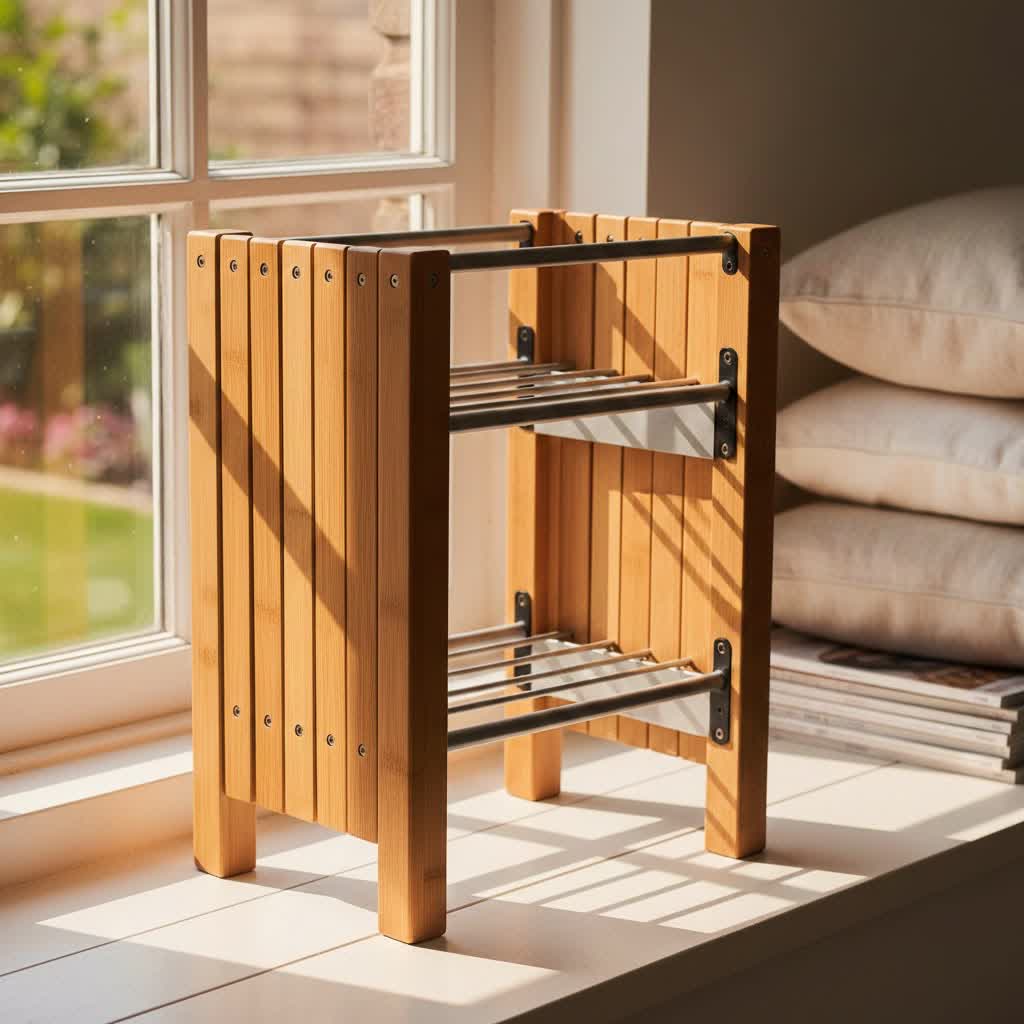
Tired of shrinking sweaters, sky-high energy bills, and a constantly overflowing laundry basket? You’re not alone. In a world increasingly focused on sustainability and mindful living, the humble laundry drying rack is making a powerful comeback. Beyond just saving money, air-drying your clothes can significantly extend their lifespan, protect delicate fabrics, and even reduce your environmental footprint. Whether you live in a cozy apartment or a spacious family home, finding the perfect drying rack for laundry can improve your routine. This comprehensive guide, informed by over a decade of experience, will help you navigate the myriad options and make the best choice for your needs.
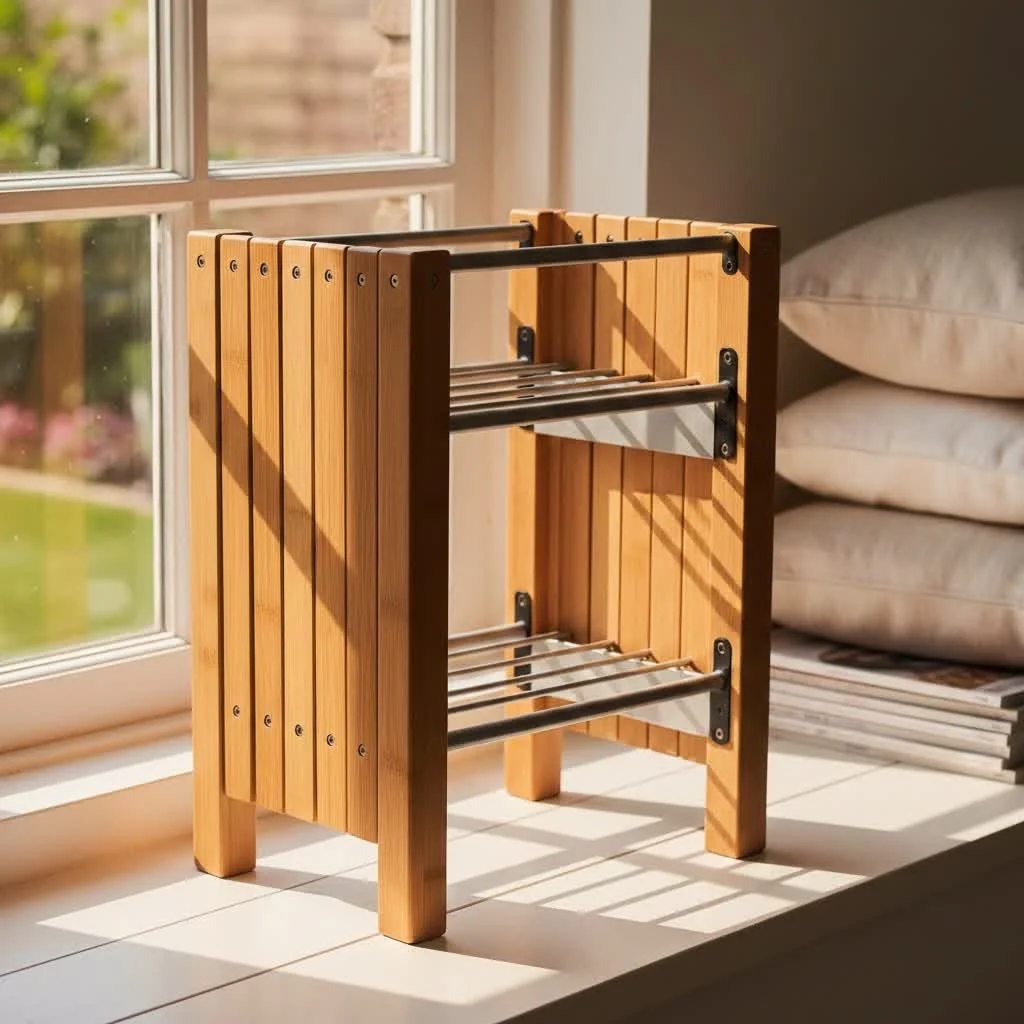
The Essential Laundry Drying Rack: An Overview
A laundry drying rack, often referred to as a clothes airer or clothes horse, is a fundamental household item designed for air-drying clothes. Its primary purpose is to provide a dedicated space for garments to dry naturally, avoiding the heat and tumbling action of electric dryers. This simple yet effective tool serves multiple functions: preserving fabric quality, reducing energy consumption, and offering a flexible solution for laundry day, regardless of weather conditions.
Historically, clotheslines and basic wooden frames were the standard for air-drying. Over time, these designs evolved to meet changing living spaces and needs. Modern laundry drying racks now boast innovative features, materials, and configurations, from compact, foldable units perfect for urban dwellers to smart, automated systems designed for convenience. They cater to a wide array of items, from everyday clothes and delicate garments to shoes and bedding, making them an indispensable part of a sustainable and efficient laundry routine.
Popular Laundry Drying Rack Types
The market offers a diverse range of laundry drying racks, each with unique advantages tailored to different spaces and drying requirements. Understanding these types is the first step in finding your perfect match.
Folding and Accordion Drying Racks
These are perhaps the most common and versatile type of drying rack for laundry. Folding racks, often designed in an A-frame or accordion style, collapse flat for easy storage when not in use. They provide ample drying space and are highly portable, making them suitable for both indoor and occasional outdoor use.
- Pros: Highly portable, easy to store, generally affordable, good capacity for average laundry loads.
- Cons: Can take up floor space when in use, may not be robust enough for very heavy items depending on material.
- Materials: Commonly made from plastic, powder-coated steel, stainless steel, or wood. Stainless steel offers superior durability and rust resistance, while wood provides a classic aesthetic but may require more care.
- Best for: Small to medium households, apartment living, drying a variety of everyday clothes.
Wall-Mounted Drying Racks
|
Our Picks for the Best Drying Rack in 2026
As an Amazon Associate I earn from qualifying purchases.
|
||
| Num | Product | Action |
|---|---|---|
| 1 | Drying Rack Clothing, 3-Tier Clothes Drying Rack Foldable, Antirust Laundry Drying Rack Collapsible Use for Indoor & Outdoor, 11.8" D x 34.6" W x 35.4" H, White |

|
| 2 | Whitmor Folding Drying Rack, White |
|
| 3 | Foldable Drying Rack Clothing, 3-Tier Portable Clothes Drying Racks for Indoor & Outdoor, Anti-Rust Compact Laundry Rack Collapsible, White 28" D x 10" W x 35" H |
|
| 4 | 2026 Enhanced Clothes Drying Rack - Foldable Drying Rack Clothing for Laundry - Small Collapsible Portable Dryers for Laundry - Use for Indoor & Outdoor - White 37.5"x29"x12" |
|
| 5 | Honey-Can-Do Collapsible Bamboo Drying Rack – Sturdy & Foldable Laundry Drying Rack, Space-Saving & Portable Clothes Rack for Air-Drying Clothes, Towels, Blankets & Delicates, Indoor & Outdoor Use. |
|
| 6 | Honey-Can-Do Collapsible Laundry Drying Rack, Sturdy Steel, Foldable & Portable Clothes Drying Rack, Space-Saving Design, Indoor & Outdoor Drying, Ideal for Laundry Room 50lb Capacity, Silver |
|
| 7 | Clothes Drying Rack Tripod,Drying Rack Clothing,Laundry Drying Rack,Floor Standing,16 Wooden Poles,Collapsible Drying Racks for Laundry,Retractable,Foldable,Folding |
|
| 8 | JASIWAY Dish Drying Rack in Sink, Expandable Stainless Steel Dish Drainers for Kitchen Counter, Dish Dryer Rack for Inside Sink, Over The Sink Dish Racks with Utensil Holder, Silver |
|
| 9 | Honey-Can-Do Collapsible Clothes Drying Rack – Durable, Space-Saving Laundry & Towel Rack, Sturdy Clothing Rack for Hanging Clothes Indoors & Outdoors, Steel |
|
| 10 | HOMIDEC Clothes Drying Rack, Oversized 4-Tier(67.7" High) Foldable Stainless Steel Drying Rack Clothing, Movable Drying Rack with 4 castors, 24 Drying Poles and 14 Hooks for Bed Linen, Clothing, Grey |
|
Ideal for maximizing space in small laundry rooms, bathrooms, or even on balconies, wall-mounted drying racks are fixed directly to a wall. Many designs feature retractable arms or rails that extend outwards when needed and fold flat against the wall when not in use.
- Pros: Excellent for space-saving, keeps floor clear, can be installed at a convenient height, durable designs available.
- Cons: Permanent installation required, less flexible in terms of placement once installed, capacity can be limited by size.
- Materials: Often constructed from stainless steel or sturdy powder-coated aluminum for durability and rust resistance, especially for outdoor models.
- Best for: Compact laundry areas, permanent drying solutions, specific areas like a balcony or over a bathtub.
Retractable Clotheslines
For those who need maximum flexibility and minimal visual impact, retractable clotheslines are an ingenious solution. These units typically house multiple lines that can be pulled out and hooked to a corresponding fixture across a room or outdoor space. When laundry is dry, the lines retract, disappearing almost completely.
- Pros: Virtually invisible when not in use, offers significant drying length, great for outdoor spaces or long indoor runs.
- Cons: Requires two points for installation, lines may sag with very heavy loads, can be more complex to install than portable racks.
- Materials: Casing often plastic or metal, lines typically strong nylon or coated steel wire for weather resistance.
- Best for: Large laundry loads, outdoor drying on patios/balconies, achieving a minimalist look.
Over-the-Door and Ceiling-Mounted Racks
These specialized racks leverage often-unused vertical space. Over-the-door racks hook directly onto any standard door, offering a few rails for lighter loads. Ceiling-mounted racks, on the other hand, are typically pulley-operated, allowing you to lower the rack for loading and then raise it to the ceiling to keep laundry out of the way while it dries. Some high-tech versions even include heating elements.
- Pros (Over-the-Door): No installation, highly portable, good for small items or delicates.
- Cons (Over-the-Door): Limited capacity, can interfere with door closure.
- Pros (Ceiling-Mounted): Excellent for saving floor space, out of sight while drying, good air circulation, can handle larger loads.
- Cons (Ceiling-Mounted): Installation can be complex, less accessible for shorter individuals.
- Materials: Varies widely, from plastic to stainless steel for over-the-door, and often wood or metal for ceiling models.
- Best for: Tiny living spaces, drying delicates (over-the-door), dedicated laundry rooms seeking ultimate space efficiency (ceiling-mounted).
Tower Drying Racks
Tower drying racks are designed for vertical capacity, utilizing multiple tiers to dry a large volume of laundry in a small footprint. They are often wheeled for easy maneuverability and can be a great alternative to traditional folding racks if you have a lot of items but limited horizontal space.
- Pros: High capacity, ideal for small floor spaces, often mobile with wheels, can accommodate long garments.
- Cons: Can be tall and imposing when fully loaded, may not fold as compactly as A-frame racks.
- Materials: Typically powder-coated steel or stainless steel for stability and load-bearing.
- Best for: Families with large laundry loads, areas with limited floor space but good vertical clearance, drying various item sizes.
Comparing Laundry Drying Rack Options
To help you decide, here’s a comparative overview of common laundry drying rack types:
| Type | Material | Capacity/Size | Key Advantages | Key Disadvantages | Ideal for |
|---|---|---|---|---|---|
| Folding/Accordion | Steel, Wood, Plastic, Aluminum | Medium (15-30 linear feet) | Portable, easy storage, versatile | Takes up floor space when in use | Apartments, small homes, general laundry |
| Wall-Mounted | Stainless Steel, Aluminum | Small to Large (5-40 linear feet) | Space-saving, clear floor, customizable height | Permanent installation, fixed location | Laundry rooms, bathrooms, balconies |
| Ret retractable | Plastic/Metal casing, Nylon/Steel lines | Large (10-80 linear feet) | Disappears when not in use, maximum line space | Requires two anchor points, lines can sag | Outdoor use, long indoor stretches, minimalist decor |
| Over-the-Door | Plastic, Steel | Small (5-10 linear feet) | No installation, very portable | Limited capacity, obstructs door | Delicates, small items, travel |
| Ceiling-Mounted | Wood, Steel, Aluminum | Medium to Large (15-40 linear feet) | Frees up floor space, efficient drying (heat rises) | Complex installation, less accessible | Dedicated laundry rooms, high ceilings |
| Tower | Steel, Plastic | Large (30-60 linear feet, vertical) | High capacity in small footprint, often mobile | Can be bulky when full, requires vertical space | Families, small floor spaces with height |
Your Ultimate Buying Guide for Laundry Drying Racks
Choosing the right laundry drying rack involves more than just picking the first one you see. Careful consideration of your specific needs, space, and preferences will ensure you make a wise investment.
Assess Your Drying Needs
Before you even start browsing, take stock of your laundry habits and living situation.
- What types of items do you dry? If you frequently air-dry delicate sweaters, a flat mesh drying surface might be essential. For large items like sheets or towels, you’ll need ample line space and sturdy construction.
- How much laundry do you do? A single person might be fine with a small folding rack, while a large family will require a high-capacity or multi-tier option.
- Where will you use it? Indoors, outdoors, on a balcony, in a dedicated laundry room, or a general living space? This dictates the type and material needed (e.g., rust-resistant for outdoors).
- Consider your space constraints. Do you have abundant floor space, or do you need a solution that hangs, retracts, or folds away neatly?
Material Matters
The material of your laundry drying rack plays a crucial role in its durability, stability, and suitability for different environments.
- Stainless Steel: Highly durable, rust-resistant, and can bear heavy loads. It’s an excellent choice for longevity, especially in humid environments or for outdoor use.
- Powder-Coated Steel: Offers good durability and rust protection at a more affordable price than stainless steel. However, the coating can chip over time, potentially exposing the steel to rust.
- Aluminum: Lightweight and naturally rust-resistant, making it easy to move. While sturdy, it may not handle extremely heavy wet loads as well as steel.
- Wood: Provides a classic, aesthetic look and is gentle on fabrics. Ensure it’s treated or sealed to prevent warping, mold, and splintering from moisture. Ideal for indoor use.
- Plastic: The most affordable and lightweight option, but generally less durable and may become brittle over time, especially with sun exposure. Best for light loads and occasional use.
Size, Capacity, and Design
These factors directly impact how effectively the rack meets your needs and fits into your home.
- Capacity (Linear Feet): This refers to the total length of drying lines available. Match this to your typical laundry load size. More linear feet mean more items can dry simultaneously.
- Footprint & Dimensions: Measure the space where you intend to use the rack, both when open and when stored. Ensure the rack fits comfortably without obstructing walkways or becoming a tripping hazard.
- Foldability & Adjustability: Many racks offer collapsible designs for compact storage. Look for adjustable height settings or wings that allow you to customize the drying space for different garment lengths.
- Special Features: Some racks include mesh shelves for flat-drying delicate items like sweaters, coat hanger holes for wrinkle-free drying of shirts, or integrated shoe racks. Consider if these additions align with your specific drying habits.
Consider Smart Features & Brands
While many laundry drying racks are low-tech, some innovative options are emerging.
- Heated Racks: Certain models incorporate heating elements to speed up drying, particularly useful in cold or humid climates. These offer a gentle alternative to tumble dryers.
- IoT-Enabled Racks: Emerging smart home solutions include racks with sensors that detect dryness or rainfall, automatically retracting or adjusting. These are still niche but show future potential.
- Reputable Brands: Invest in brands known for quality construction and good customer service. Read reviews to gauge real-world performance and durability.
- Warranty: A good warranty can provide peace of mind regarding the product’s longevity and performance.
“Choosing the right drying rack isn’t just about utility; it’s about integrating a sustainable, garment-friendly solution into your daily life. Focus on durability and adaptability to truly improve your laundry experience.” – Jane Doe, Home Organization Expert
Tips for Efficient Use and Care of Your Drying Rack
Once you’ve selected your ideal laundry drying rack, a few simple practices can enhance its performance and extend its lifespan.
To maximize drying efficiency, ensure adequate airflow around your garments. Don’t overcrowd the rack; leave space between items for air to circulate freely. Before hanging, give your clothes an extra spin in the washing machine to remove as much water as possible, which significantly reduces drying time and prevents dripping. For shirts and blouses, use hangers directly on the rack to maintain shape and minimize wrinkles, potentially saving you ironing time. Rotate heavier items or those in less airy spots periodically to ensure even drying.
Proper maintenance is key to the longevity of your laundry drying rack.
- Regular Cleaning: Wipe down the rack regularly with a damp cloth to prevent dust buildup and potential mildew. For metal racks, occasional cleaning with a mild detergent can help prevent rust, especially if used outdoors.
- Storage: When not in use, store your foldable or portable racks in a dry, protected area. If using an outdoor rack, consider a cover during harsh weather or storing it indoors during off-seasons.
- Weight Limits: Always respect the manufacturer’s stated weight capacity to prevent damage or collapse. Distribute heavy items evenly across the rack.
By following these simple tips, your laundry drying rack will not only serve you efficiently but also remain a reliable tool for years to come.
Conclusion
Embracing a laundry drying rack is a simple yet impactful step towards a more sustainable, cost-effective, and gentle approach to garment care. From preserving the integrity of your favorite clothes to significantly reducing your energy consumption, the benefits are undeniable. By understanding the various types, materials, and features available, you can confidently select a laundry drying rack that perfectly complements your lifestyle and space. Make the switch today and experience the freshness of air-dried laundry, while contributing positively to your wallet and the planet. What type of laundry drying rack will improve your laundry routine?
Frequently Asked Questions
How much drying space do I really need in a laundry drying rack?
The ideal drying space depends on your household size and laundry frequency. A good rule of thumb is 15-20 linear feet for a single person, 30-40 feet for a couple, and 50+ feet for a family. Consider multi-tiered or expandable racks for maximum flexibility.
Can I use a laundry drying rack outdoors?
Yes, many laundry drying racks are designed for outdoor use. Look for models made from rust-resistant materials like stainless steel or treated aluminum. Ensure they are stable enough to withstand wind and have UV protection if they will be exposed to direct sunlight for prolonged periods.
Are heated laundry drying racks energy efficient?
Heated laundry drying racks use some electricity, but typically far less than a tumble dryer. They are generally more energy-efficient than traditional dryers for small loads or for gently drying delicates, as they operate at lower temperatures and offer a controlled environment.
How do I prevent clothes from getting stiff when air-drying on a rack?
To prevent stiffness, give your wet clothes a good shake before hanging them. Ensure ample space between items for proper airflow. Once dry, a quick tumble in a dryer on a no-heat setting for a few minutes can fluff them up, or simply scrunch them gently by hand.
What’s the best drying rack for delicates and sweaters?
For delicates and sweaters, a drying rack with a flat mesh surface is ideal. This allows garments to lie flat, preventing stretching and maintaining their shape as they dry. Many accordion or multi-tiered racks include such sections.
Can a laundry drying rack really save me money?
Absolutely. By reducing your reliance on an electric tumble dryer, a laundry drying rack significantly lowers your energy consumption, leading to noticeable savings on your utility bills over time. It also extends the life of your clothes, reducing the need for frequent replacements.
How do I choose a drying rack for a very small apartment?
For small apartments, prioritize space-saving designs like wall-mounted, over-the-door, or compact folding racks that can be easily tucked away. Retractable clotheslines are also an excellent option as they disappear when not in use, maximizing your living area.
Get our weekly buyer guide
Practical specs, not advice. Unsubscribe anytime.
