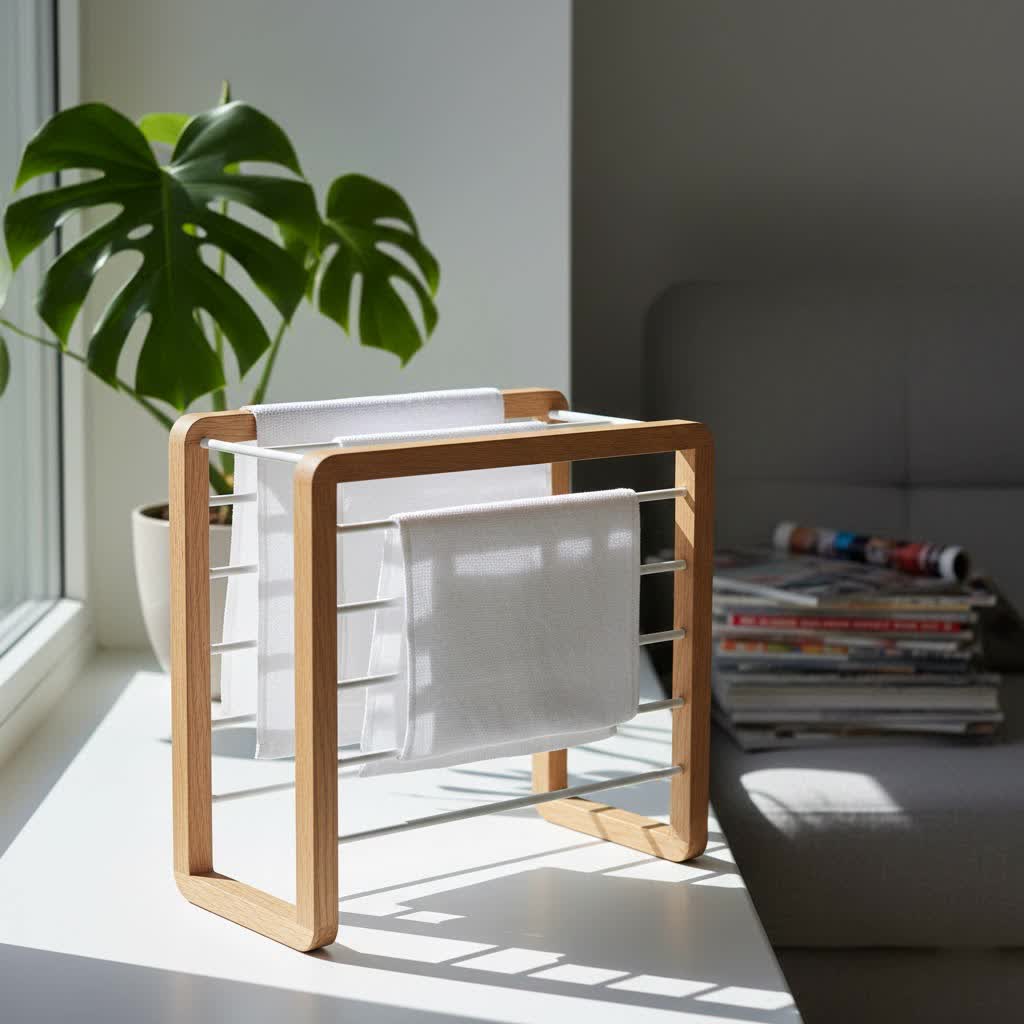
Are you tired of tripping over cumbersome laundry drying racks that consume precious floor space, or constantly battling with a dryer that eats into your energy bill and can be harsh on delicate fabrics? The modern home often demands ingenious solutions for everyday chores, and air-drying clothes is no exception. A Wall Clothes Drying Rack offers a smart, space-saving, and eco-friendly alternative, transforming how you approach laundry. This guide will walk you through everything you need to know, from understanding different types and materials to selecting the perfect rack for your home, ensuring your laundry routine is as efficient as it is tidy.
Overview of Drying Racks
A drying rack, at its core, is a simple yet essential household item designed to air-dry clothes. Its primary purpose is to provide a dedicated space for garments to dry naturally, protecting them from the wear and tear of machine dryers and often saving significant energy. While traditional drying solutions ranged from simple outdoor clotheslines to bulky, collapsible floor models, the evolution of living spaces, particularly smaller homes and apartments, has driven innovation towards more compact and integrated designs.
Today’s market features a diverse array of drying racks, each catering to different needs and spatial constraints. From freestanding units to over-the-door hangers, the options abound. However, for those prioritizing aesthetics, stability, and maximum floor space, the wall-mounted drying rack stands out. These ingenious devices affix directly to your wall, offering robust drying capabilities that disappear when not in use, making them a cornerstone of efficient and clutter-free living.
Popular Types of Wall-Mounted Drying Racks
Wall-mounted drying racks are far from a one-size-fits-all solution. They come in various designs, each offering unique advantages depending on your space and drying habits. Understanding these types will help you narrow down the best fit for your home.
Accordion/Retractable Wall-Mounted Racks
Accordion-style racks are arguably the most recognizable form of wall-mounted dryer. They feature multiple horizontal rods that extend outwards like an accordion when in use and retract neatly against the wall when empty. This design is excellent for maximizing drying space while maintaining a minimal profile.
- Pros: Significant drying linear feet, folds flat to save space, generally sturdy.
- Cons: Some models might have less robust retraction mechanisms over time.
- Materials: Often made from powder-coated steel or aluminum for durability and rust resistance, though some feature plastic components or even treated wood dowels for a more natural look. Installation typically involves drilling into wall studs for secure mounting.
|
Our Picks for the Best Drying Rack in 2026
We may earn a commission when you use one of our links to make a purchase.
|
||
| Num | Product | Action |
|---|---|---|
| 1 | Drying Rack Clothing, 3-Tier Clothes Drying Rack Foldable, Antirust Laundry Drying Rack Collapsible Use for Indoor & Outdoor, 11.8" D x 34.6" W x 35.4" H, White |

|
| 2 | JASIWAY Dish Drying Rack in Sink, Expandable Stainless Steel Dish Drainers for Kitchen Counter, Dish Dryer Rack for Inside Sink, Over The Sink Dish Racks with Utensil Holder, Silver |
|
| 3 | Clothes Drying Rack Tripod,Drying Rack Clothing,Laundry Drying Rack,Floor Standing,16 Wooden Poles,Collapsible Drying Racks for Laundry,Retractable,Foldable,Folding |
|
| 4 | Honey-Can-Do Collapsible Bamboo Drying Rack – Sturdy & Foldable Laundry Drying Rack, Space-Saving & Portable Clothes Rack for Air-Drying Clothes, Towels, Blankets & Delicates, Indoor & Outdoor Use. |
|
| 5 | HOMIDEC Clothes Drying Rack, Oversized 4-Tier(67.7" High) Foldable Stainless Steel Drying Rack Clothing, Movable Drying Rack with 4 castors, 24 Drying Poles and 14 Hooks for Bed Linen, Clothing, Grey |
|
| 6 | Whitmor Folding Drying Rack, White |
|
| 7 | Honey-Can-Do Collapsible Laundry Drying Rack, Sturdy Steel, Foldable & Portable Clothes Drying Rack, Space-Saving Design, Indoor & Outdoor Drying, Ideal for Laundry Room 50lb Capacity, Silver |
|
| 8 | 2026 Enhanced Clothes Drying Rack - Foldable Drying Rack Clothing for Laundry - Small Collapsible Portable Dryers for Laundry - Use for Indoor & Outdoor - White 37.5"x29"x12" |
|
| 9 | Foldable Drying Rack Clothing, 3-Tier Portable Clothes Drying Racks for Indoor & Outdoor, Anti-Rust Compact Laundry Rack Collapsible, White 28" D x 10" W x 35" H |
|
| 10 | Honey-Can-Do Collapsible Clothes Drying Rack – Durable, Space-Saving Laundry & Towel Rack, Sturdy Clothing Rack for Hanging Clothes Indoors & Outdoors, Steel |
|
Fold-Down Shelf/Bar Wall-Mounted Racks
These racks typically consist of a single, sturdy frame with multiple parallel bars that fold down from the wall to create a drying surface. When not needed, the entire unit can be folded back up, flush against the wall, often resembling a minimalist shelf or panel. This design offers a clean aesthetic and considerable strength.
- Pros: Extremely robust, high weight capacity, very neat and unobtrusive when folded, ideal for heavy items like towels and jeans.
- Cons: May offer slightly less linear drying space compared to some accordion models of similar footprint.
- Materials: Predominantly stainless steel or heavy-duty aluminum, ensuring longevity and resistance to moisture. The solid construction makes them a reliable choice for demanding laundry needs.
Specialty Wall-Mounted Racks
Beyond the common accordion and fold-down designs, the market also offers specialized wall-mounted racks with advanced features.
- Electric/Heated Racks: Some high-end wall-mounted racks incorporate electric heating elements or even warm air fans, significantly speeding up the drying process. These are perfect for humid climates or for drying clothes quickly, operating at much lower energy consumption than a traditional dryer.
- Racks with Clips and Hooks: Certain designs include integrated clips for small items like socks and underwear, or hooks for hangers, adding versatility to the drying process.
- Retractable Clotheslines: While technically not a “rack,” retractable clotheslines can be wall-mounted and offer an extendable line for drying, pulling back into a compact casing when not in use. These are incredibly discreet but offer less structured drying than a multi-bar rack.
Comparison Table of Wall-Mounted Drying Racks
Choosing the right wall-mounted drying rack involves weighing various factors. Here’s a comparative overview to help you decide:
| Feature | Accordion/Retractable | Fold-Down Shelf/Bar | Electric/Advanced |
|---|---|---|---|
| Material | Steel, Aluminum, Plastic, Treated Wood | Stainless Steel, Heavy-Duty Aluminum | Aluminum, Stainless Steel |
| Key Feature | Expands & collapses, multiple rods | Sturdy flat panel, robust bars | Heated rods, fan, remote control |
| Load Capacity | Moderate (e.g., 20-50 lbs) | High (e.g., 30-75 lbs) | High (e.g., up to 75 lbs or more) |
| Ideal Use Case | Small apartments, everyday laundry, delicates | Heavy loads, towels, jeans, limited space | Humid climates, quick drying, urban living |
| Pros | Space-saving, good drying capacity, versatile | Extremely stable, durable, neat appearance | Fast drying, energy-efficient alternative |
| Cons | Can be less robust than fixed models, installation required | Fixed width, installation required, less linear feet per footprint | Higher cost, requires power outlet, installation required |
| Price Range | $$ – $$$ | $$$ – $$$$ | $$$$ – $$$$$ |
For individuals in urban apartments or homes with limited laundry room space, the Foxydry Wall Plus, for example, combines a set bottom rack with an additional height-adjustable second rack, providing twice the capacity in a compact footprint and made of steel and anodized aluminum to withstand humidity.
How to Choose the Right Wall-Mounted Drying Rack (Buying Guide)
Selecting the ideal wall clothes drying rack is a decision that can significantly impact your laundry efficiency and home organization. Consider these key factors to make an informed choice:
Assess Your Drying Needs & Space
Before anything else, evaluate your specific requirements.
- What type of items do you primarily dry? Delicates, heavy towels, jeans, or a mix? This influences the required load capacity and rod spacing.
- How much laundry do you typically air-dry at once? Singles or couples might need a compact rack, while families may benefit from larger, multi-tiered options.
- Where will the rack be installed? Indoor (laundry room, bathroom, utility closet) or outdoor (balcony, patio)? Consider airflow and sun exposure. Wall-mounted racks save space by not blocking doorways and can be installed at a height convenient for you.
- What is your available wall space? Measure the width and height carefully, ensuring there’s enough clearance for the rack to fully extend without obstruction. Some models retract completely, while others fold flat against the wall.
Material Matters
The material of your drying rack directly impacts its durability, rust resistance, and aesthetic appeal.
- Stainless Steel: Highly durable, rust-resistant, and can support heavy loads. Excellent for humid environments like bathrooms or outdoor use.
- Aluminum: Lightweight, rust-resistant, and sturdy. Often coated for enhanced corrosion protection. “Aluminum is another rust-resistant option that’s typically sturdier than plastic but lighter than stainless steel. Just keep in mind that while aluminum doesn’t rust, it can corrode, so consider getting a rack made with aluminum that’s designed to be corrosion resistant.”
- Treated Wood: Offers a warm, natural aesthetic. Ensure it’s properly sealed or coated to prevent moisture absorption, warping, or mold, especially in damp areas.
- Plastic: Generally more budget-friendly and lightweight, but may be less sturdy and durable for heavy loads. Look for high-quality, UV-resistant plastics if used outdoors.
Size, Capacity, and Design Features
- Drying Capacity (Linear Feet): This refers to the total length of all drying rods. Consider how many items you need to dry simultaneously. A rack with 14-46 linear feet of drying space can accommodate a substantial amount of laundry.
- Number and Spacing of Rods: Sufficient space between rods ensures proper airflow and faster drying, preventing musty smells.
- Folding/Retracting Mechanism: Look for smooth, sturdy mechanisms that are easy to operate with one hand. Some designs disappear completely or fold flat, making them almost invisible when not in use.
- Additional Features: Hooks for hangers, integrated clips for small items, a flat mesh surface for delicate sweaters, or even a towel bar beneath the rods can add significant utility.
Installation Considerations
Wall-mounted racks require installation, which can be a deciding factor for some.
- Mounting Type: Most racks need to be drilled into wall studs for maximum stability and weight support. If studs aren’t available, heavy-duty wall anchors designed for the rack’s weight capacity are crucial.
- DIY vs. Professional: Many racks come with clear instructions for DIY installation, requiring basic tools like a drill, level, and stud finder. Some complex or very heavy models might benefit from professional installation.
- Drill-Free Options: A few innovative models offer drill-free installation for smooth surfaces like tiles, using strong adhesives, but these typically have lower weight capacities. Always ensure the wall can support the weight of the rack plus wet laundry.
Budget and Brand Reputation
- Price Range: Wall-mounted drying racks vary widely in price ($50-$300+), depending on material, size, brand, and features. Remember that quality often reflects in the price and longevity of the product.
- Brand Trust: Choose reputable brands known for durable laundry solutions and good customer service. Check for warranties and read reviews from other users. “Don’t stop with the first model you see or the lowest price. The cheapest solution, especially for something you will use intensely on a daily basis, is never the best. Remember that price reflects quality.”
Tips for Using and Maintaining Your Wall-Mounted Drying Rack
To get the most out of your wall-mounted drying rack and ensure its longevity, proper usage and maintenance are key.
How to Use Your Drying Rack Effectively
- Maximize Airflow: Spread clothes out evenly on the rods, leaving space between items. Avoid overcrowding, as this hinders air circulation and slows drying. For faster drying, choose a spot with good airflow, near a window or in a room with air recirculation.
- Balance the Load: Distribute the weight of your laundry evenly across the rack. This prevents strain on specific rods or mounting points and ensures stability. Heavy items should be placed closer to the wall if possible.
- Utilize All Features: If your rack has specialized features like clips, mesh shelves, or hanger hooks, use them! Clips are great for small items, mesh is perfect for flat-drying sweaters to prevent stretching, and hooks can air out shirts on hangers.
- Consider Humidity: In humid conditions, drying times will be longer. Placing the rack in a well-ventilated area or using a dehumidifier nearby can accelerate the process. Some electric racks offer warm air ventilation to combat humidity.
Cleaning and Care for Increased Longevity
- Regular Wiping: Routinely wipe down the rods and frame with a damp cloth to remove lint, dust, and any residue from detergents. This prevents stains on your clean clothes.
- Rust Prevention: For metal racks, especially those exposed to humidity or outdoors, regularly check for any signs of rust. If you see small spots, address them promptly with appropriate rust removers or protective coatings to prevent further damage. Ensure the material is rust-resistant, like stainless steel or anodized aluminum.
- Wood Care: If you have a wooden rack, ensure it dries completely between uses to prevent mold and mildew. Reapply wood sealant or paint as needed to maintain its moisture resistance.
- Check Hardware: Periodically inspect mounting screws and hardware to ensure they remain tight and secure. Loose connections can compromise the rack’s stability and lead to damage.
Common Mistakes to Avoid
- Overloading: Exceeding the specified weight capacity is a common mistake that can cause sagging, bending, or even the rack pulling away from the wall. Always know your rack’s limit (some can hold up to 65 lbs or more) and distribute weight smartly.
- Improper Installation: Mounting without finding wall studs or using inadequate anchors can lead to instability. Always use a stud finder and appropriate heavy-duty anchors if studs aren’t accessible. An uneven rack not only looks bad but can also cause uneven drying.
- Poor Location Choice: Installing a rack where it blocks doorways, interferes with other appliances, or lacks sufficient airflow will reduce its effectiveness and convenience. Test placement before drilling by holding the rack in position.
- Ignoring Maintenance: Neglecting regular cleaning and hardware checks can shorten the lifespan of your drying rack and potentially damage your clothes.
Conclusion
A wall clothes drying rack is more than just a place to hang wet laundry; it’s a strategic investment in home efficiency and sustainable living. By reclaiming valuable floor space, reducing reliance on energy-intensive dryers, and treating your garments with the gentle care of natural air-drying, these racks offer a myriad of benefits. From sleek, retractable designs to robust, fold-down shelves, there’s a wall-mounted solution to fit every need and aesthetic. When chosen wisely and maintained properly, your wall clothes drying rack will not only simplify your laundry routine but also contribute to a tidier, more eco-conscious home. Isn’t it time to transform your laundry experience with a smart, space-saving solution?
Câu Hỏi Thường Gặp
Can I install a wall-mounted drying rack in a bathroom?
Yes, wall-mounted drying racks are ideal for bathrooms, especially for drying towels or delicate hand-washed items. However, it’s crucial to choose a model made from rust-resistant materials like stainless steel or corrosion-resistant aluminum due to the high humidity in bathrooms. Ensure proper ventilation to prevent mold growth on clothes and the rack.
How much weight can a wall-mounted drying rack typically hold?
The weight capacity of wall-mounted drying racks varies significantly based on their design, material, and installation method. Many consumer-grade racks can hold between 20 to 65 pounds of wet laundry, with heavy-duty models capable of supporting even more. Always check the manufacturer’s specifications and ensure the rack is securely mounted into wall studs or with appropriate anchors.
Are wall-mounted drying racks easy to install for a DIYer?
Most wall-mounted drying racks are designed for DIY installation and come with instructions and hardware. Tools typically required include a drill, level, tape measure, and a stud finder. The key is to securely mount the rack into wall studs for stability. If mounting into drywall without studs, heavy-duty wall anchors are essential for safety and optimal performance.
What are the benefits of an electric wall-mounted drying rack?
Electric wall-mounted drying racks offer accelerated drying times, particularly beneficial in humid environments or when quick drying is needed. They typically consume less energy than traditional tumble dryers and can include features like warm air fans and remote controls. These innovative racks combine space-saving design with enhanced functionality for a modern laundry experience.