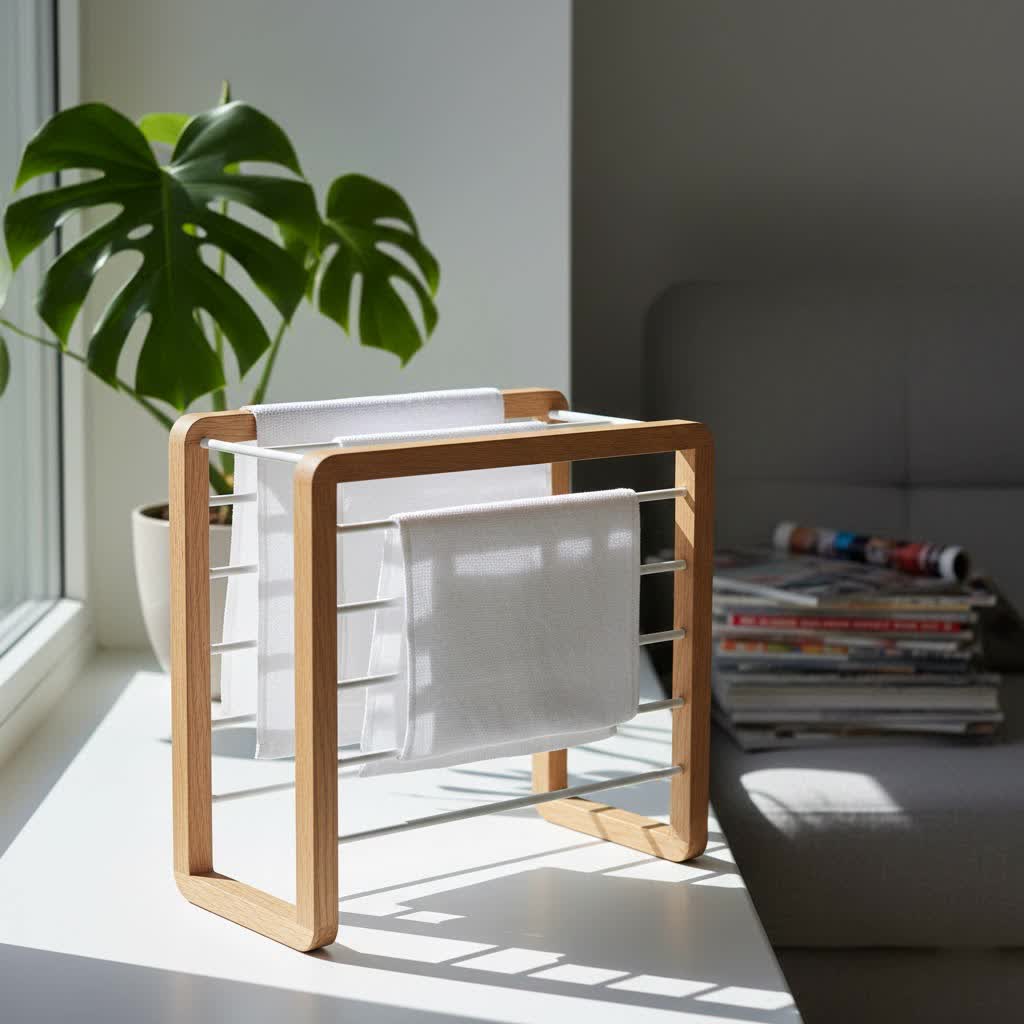
Tired of sky-high energy bills and clothes that lack that fresh, outdoor scent? Embracing an Outdoor Laundry Drying Rack might be the refreshing change your laundry routine needs. Beyond saving money and energy, air-drying your clothes outdoors offers a myriad of benefits, from extending garment life to infusing your fabrics with the clean aroma of nature. If you’re looking to upgrade your laundry experience and contribute to a greener planet, an outdoor drying rack is an excellent place to start.
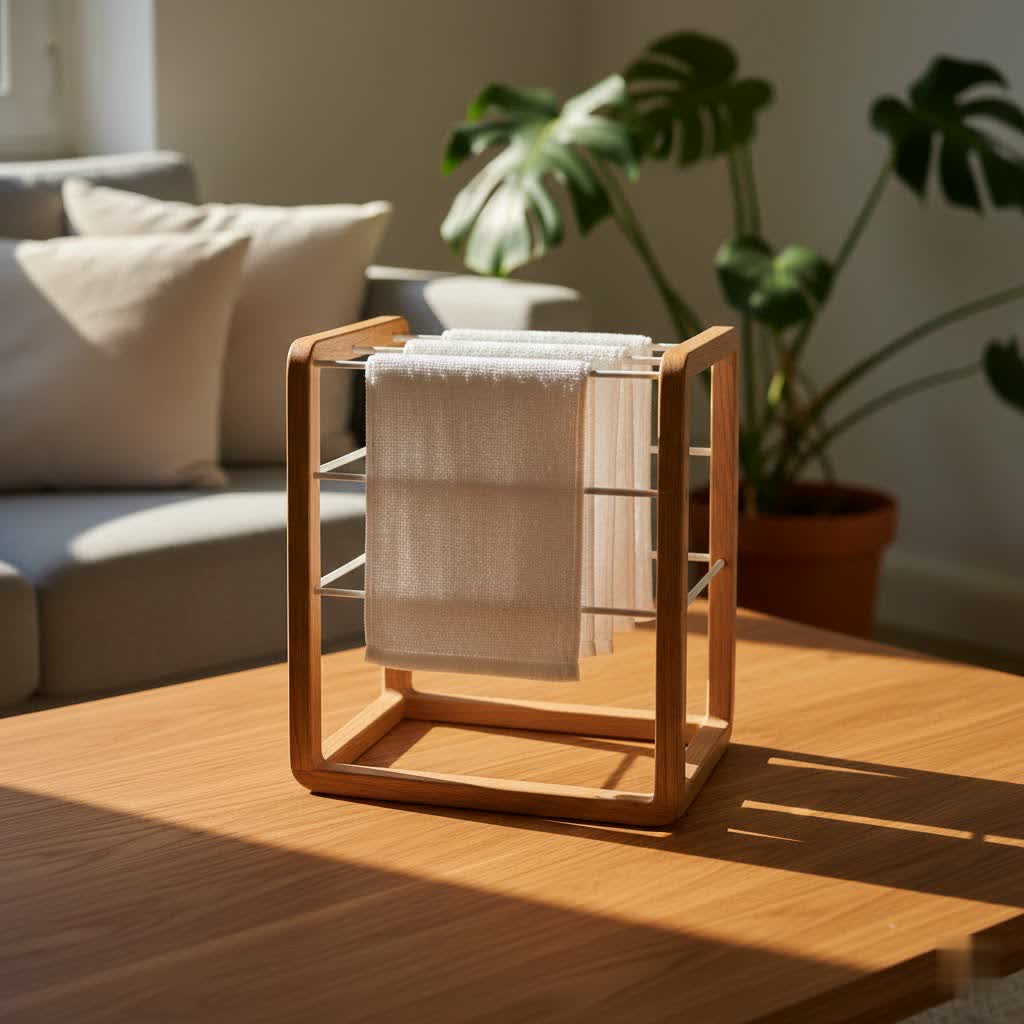
The Enduring Appeal of Outdoor Laundry Drying Racks
An outdoor laundry drying rack serves as a practical, eco-friendly alternative to electric dryers, leveraging the power of sun and wind to dry your clothes naturally. While the concept of hanging laundry outside is timeless, modern outdoor drying racks have evolved to offer efficiency, durability, and convenience tailored to today’s homes.
The advantages of opting for an outdoor drying solution are compelling. Firstly, there’s a significant reduction in energy consumption and electricity bills, as electric dryers are known to be substantial energy users. This not only benefits your wallet but also contributes to a “greener earth” by lowering your carbon footprint.
Beyond cost and environmental factors, outdoor drying is remarkably gentle on your clothes. The absence of harsh heat and friction, common in electric dryers, helps to prolong the life of garments, protecting delicate fibers and maintaining their original sheen. Many people find that clothes dried outdoors have fewer wrinkles, minimizing the need for ironing. Furthermore, natural sunlight acts as a powerful disinfectant, effectively getting “rid of mites” and naturally bleaching whites without the use of harsh chemicals, leaving your laundry with an undeniably fresh and clean scent.
Exploring Popular Types of Outdoor Drying Racks
The market offers a diverse range of outdoor laundry drying racks, each designed to suit different space requirements, laundry volumes, and aesthetic preferences. Understanding the unique characteristics of each type can help you make an informed choice.
Rotary Clotheslines (Umbrella Drying Racks)
|
Our Picks for the Best Drying Rack in 2026
We may earn a commission when you use one of our links to make a purchase.
|
||
| Num | Product | Action |
|---|---|---|
| 1 | Whitmor Folding Drying Rack, White |

|
| 2 | 2026 Enhanced Clothes Drying Rack - Foldable Drying Rack Clothing for Laundry - Small Collapsible Portable Dryers for Laundry - Use for Indoor & Outdoor - White 37.5"x29"x12" |
|
| 3 | Honey-Can-Do Collapsible Bamboo Drying Rack – Sturdy & Foldable Laundry Drying Rack, Space-Saving & Portable Clothes Rack for Air-Drying Clothes, Towels, Blankets & Delicates, Indoor & Outdoor Use. |
|
| 4 | Foldable Drying Rack Clothing, 3-Tier Portable Clothes Drying Racks for Indoor & Outdoor, Anti-Rust Compact Laundry Rack Collapsible, White 28" D x 10" W x 35" H |
|
| 5 | Clothes Drying Rack Tripod,Drying Rack Clothing,Laundry Drying Rack,Floor Standing,16 Wooden Poles,Collapsible Drying Racks for Laundry,Retractable,Foldable,Folding |
|
| 6 | HOMIDEC Clothes Drying Rack, Oversized 4-Tier(67.7" High) Foldable Stainless Steel Drying Rack Clothing, Movable Drying Rack with 4 castors, 24 Drying Poles and 14 Hooks for Bed Linen, Clothing, Grey |
|
| 7 | Drying Rack Clothing, 3-Tier Clothes Drying Rack Foldable, Antirust Laundry Drying Rack Collapsible Use for Indoor & Outdoor, 11.8" D x 34.6" W x 35.4" H, White |
|
| 8 | Honey-Can-Do Collapsible Clothes Drying Rack – Durable, Space-Saving Laundry & Towel Rack, Sturdy Clothing Rack for Hanging Clothes Indoors & Outdoors, Steel |
|
| 9 | JASIWAY Dish Drying Rack in Sink, Expandable Stainless Steel Dish Drainers for Kitchen Counter, Dish Dryer Rack for Inside Sink, Over The Sink Dish Racks with Utensil Holder, Silver |
|
| 10 | Honey-Can-Do Collapsible Laundry Drying Rack, Sturdy Steel, Foldable & Portable Clothes Drying Rack, Space-Saving Design, Indoor & Outdoor Drying, Ideal for Laundry Room 50lb Capacity, Silver |
|
Rotary clotheslines, often called umbrella drying racks, are a popular choice for their efficiency and space-saving design. These racks typically feature a central pole with multiple lines extending outwards, resembling an open umbrella. Their design allows them to “spin gently in the breeze,” promoting faster and more even drying. Many models are height-adjustable, providing flexibility for users of different heights and for drying larger items like bedding. Installation usually involves a ground spike, often capped for safety and to prevent rainwater accumulation, allowing the rack to be easily removed and stored when not in use. They are frequently constructed from durable, rust-resistant materials like galvanized steel, anodized aluminum, and plastic-coated lines.
Retractable Clotheslines
For those with limited outdoor space or who prefer a discreet drying solution, retractable clotheslines are an excellent option. These clever systems feature one or more lines that can be pulled out from a wall-mounted unit and attached to an opposing point, then automatically retract when not needed. This design offers maximum flexibility, providing ample drying space only when required, thus keeping your yard clear and uncluttered at other times. They are perfect for small patios, balconies, or narrow side yards where a permanent structure might be impractical.
Parallel Line Clotheslines (T-Post Systems)
The traditional parallel line clothesline, often supported by T-posts, remains a classic for a reason. These sturdy systems offer substantial drying capacity, making them ideal for large families or those who frequently dry bulky items like sheets, blankets, and towels. Typically consisting of two or more parallel lines stretched between posts, they provide long, uninterrupted runs of drying space. While requiring a more permanent installation and a larger footprint, their robust construction, often using heavy-duty posts and plastic-coated wire, ensures longevity and stability, even with heavy loads.
Portable Folding Drying Racks
Offering ultimate versatility, portable folding drying racks can be used both indoors and outdoors. These lightweight, collapsible units come in various designs, from accordion-style to gullwing models, and can be easily set up wherever there’s sun and breeze, then folded flat for compact storage. Materials like stainless steel, sturdy plastic, or even naturally rust-resistant bamboo are common. While generally not suited for very large, heavy loads that permanent installations can handle, they are perfect for smaller batches of laundry, delicates, or as supplementary drying space.
Wall-Mounted Drying Racks
Wall-mounted drying racks are another excellent space-saving solution, particularly for areas like exterior walls, garages, or balconies. These racks are permanently affixed to a wall and often feature an accordion-style mechanism that expands outwards for use and folds neatly back against the wall when not needed. They provide a sturdy platform for drying clothes without encroaching on floor space and are typically made from durable metals or plastics designed to withstand outdoor conditions. Some variants also include pull-out lines, offering a more compact profile.
Comparative Overview: Choosing Your Ideal Outdoor Drying Rack
Selecting the best outdoor drying rack depends on your specific needs, available space, and laundry habits. Here’s a comparative overview to guide your decision:
| Type of Drying Rack | Material | Space Requirement | Capacity | Pros | Cons | Best For |
|---|---|---|---|---|---|---|
| Rotary Clothesline | Galvanized Steel, Aluminum, Plastic-Coated Lines | Medium to Large | High | Space-efficient for line length, spins for faster drying, often height-adjustable, collapsible. | Requires permanent ground installation, can be more expensive. | Families, those with dedicated yard space. |
| Retractable Clothesline | Plastic, Metal | Small to Medium | Medium | Maximizes space when not in use, discreet, flexible setup. | Line tension can be an issue, capacity limited by line count. | Small yards, balconies, shared spaces. |
| Parallel Line Clothesline | Steel Posts, Plastic-Coated Wire | Large | Very High | Very high capacity, sturdy for heavy items, traditional appeal. | Requires significant permanent space, less flexible. | Large families, extensive laundry loads, open yards. |
| Portable Folding Rack | Stainless Steel, Bamboo, Plastic | Small to Medium | Low to Medium | Highly versatile, easy to move and store, no installation needed. | Less stable with heavy loads, smaller drying capacity. | Small batches, delicates, supplementing other racks. |
| Wall-Mounted Rack | Metal, Plastic, Wood | Small | Low to Medium | Saves floor space, discreet, sturdy, good for limited areas. | Fixed location, generally lower capacity, installation required. | Balconies, patios, utility areas, small outdoor spaces. |
Your Essential Buying Guide for Outdoor Laundry Drying Racks
Navigating the array of options can be daunting. Consider these key factors to ensure you choose an outdoor laundry drying rack that perfectly fits your lifestyle.
Assess Your Drying Needs
Start by evaluating what you need to dry. Do you regularly wash large loads of heavy items like bedding and jeans, or mostly smaller garments and delicates? How much laundry do you typically dry in one go? Your “laundry volume” and the types of items will dictate the necessary “capacity” and “line space.” Also, consider your outdoor space: its size, direct sun exposure throughout the day, and typical wind conditions. A sunny, breezy spot is ideal for efficient drying.
Prioritize Durable and Weather-Resistant Materials
Given its outdoor exposure, the material of your drying rack is paramount. Look for materials that are built to last and withstand the elements. “Stainless steel, galvanized steel, or anodized aluminum” are excellent choices for their rust-resistant properties and durability. For the lines themselves, “plastic-coated wire or rope” is highly recommended as it prevents sagging, resists mildew, and is easy to clean, unlike natural rope. While bamboo offers an aesthetic appeal and won’t rust, untreated wood requires more maintenance and isn’t ideal for prolonged outdoor exposure.
Consider Size, Capacity, and Stability
The rack’s dimensions should complement your available outdoor space, ensuring it doesn’t overwhelm the area or obstruct pathways. Beyond physical size, assess the total drying capacity, measured in linear feet of line space. A full-size rack can handle a medium load, but heavy-duty models can hold significantly more, sometimes up to 50 pounds. Stability is crucial; choose a rack with a sturdy frame and secure installation (especially for permanent fixtures like rotary or parallel lines) to prevent it from collapsing or tipping over under the weight of wet laundry or strong winds.
Evaluate Design and Features for Convenience
Modern outdoor drying racks come with various features that enhance user experience. “Folding, collapsible, or retractable mechanisms” are highly desirable for easy storage when the rack is not in use, keeping your outdoor area tidy. Adjustable height settings can improve accessibility and accommodate different types of garments. For rotary dryers, a “rotation feature” significantly eases the loading and unloading process. Some racks even offer dedicated holes for hangers or mesh panels for flat-drying delicate items like sweaters, though these are more common on indoor or hybrid models.
Budget and Brand Reputation
Investing in a high-quality outdoor drying rack is an investment in longevity and performance. While cheaper options exist, they may not offer the durability or features of more robust models. Research reputable brands known for their outdoor laundry solutions and consider products with good warranties. Often, spending a bit more upfront on a well-constructed rack will save you money and hassle in the long run.
Maximizing Efficiency and Longevity: Tips for Using and Maintaining Your Outdoor Drying Rack
Once you’ve chosen your ideal outdoor laundry drying rack, a few simple practices can significantly enhance its performance and extend its lifespan.
For effective usage, ensure proper spacing between garments when hanging them to allow for optimal airflow and faster drying. Overloading your rack can impede air circulation, leading to longer drying times and potentially mildew. Using high-quality “beefy spring wooden clothespins” or sturdy wire clips will prevent clothes from blowing away in the wind. Pay attention to the sun and wind direction; positioning your rack to maximize exposure to these natural elements will drastically speed up the drying process.
Regular cleaning and care are essential for maintaining your rack. “Wiping lines clean” once a month or as needed, especially before hanging white laundry, prevents dirt or residue transfer. If your rack is portable or collapsible, store it indoors or cover it with a weather-resistant cover during inclement weather or off-seasons to protect it from rust and deterioration. For permanent fixtures, ensure the installation is secure, checking posts and ground sockets periodically for stability.
Common issues, such as sagging lines, can often be remedied by checking the tensioning mechanisms or replacing worn lines. Rust spots, particularly on metal racks not specifically designed for outdoor exposure or in coastal areas, can sometimes be treated with rust removers, but prevention through proper material selection and protection is best. If clothes frequently fall off, it might indicate a need for stronger clothespins or a more stable rack design.
“Many modern drying solutions are designed as clotheslines for your lifestyle, offering flexible, space-saving options that suit today’s Australian homes.” – The Clothesline Store, Guide to Clothes Drying Racks.
Conclusion
Embracing an outdoor laundry drying rack is a simple yet impactful way to transform your laundry routine. By harnessing the natural power of the sun and wind, you can enjoy significant energy savings, extend the life of your garments, and delight in the uniquely fresh scent of air-dried clothes. With a wide array of types and features available, there’s an ideal outdoor drying solution for every home and every need. Make the switch today and discover the many benefits of eco-friendly, efficient outdoor laundry drying.
What positive changes could an outdoor laundry drying rack bring to your household?
Frequently Asked Questions
What are the main benefits of using an outdoor laundry drying rack?
Using an outdoor laundry drying rack offers numerous benefits, including significant savings on energy bills, prolonged garment life due to gentle air drying, natural disinfection and bleaching of clothes by sunlight, and the fresh scent that only outdoor drying can provide. It’s also an eco-friendly choice that reduces your carbon footprint.
How do I choose the right size outdoor drying rack for my yard?
To choose the right size, consider your typical laundry load volume, the types of items you dry, and the amount of outdoor space available. Measure your yard to ensure the rack fits comfortably and has adequate sun exposure and airflow. Larger families or those drying bulky items will need racks with greater line capacity.
What materials are best for an outdoor laundry drying rack?
For outdoor use, look for durable, weather-resistant, and rust-resistant materials. Excellent choices include stainless steel, galvanized steel, or anodized aluminum for the frame. For the lines, plastic-coated wire or rope is recommended as it’s easy to clean, prevents sagging, and resists mildew, ensuring your clothes stay clean and snag-free.
Can I use an outdoor drying rack in all weather conditions?
While outdoor drying racks are designed to withstand various elements, they are most effective and beneficial in sunny, breezy conditions. During rain, heavy winds, or extremely humid weather, it’s advisable to use an indoor drying solution or store portable racks to prevent damage and ensure clothes dry properly. Many outdoor racks are collapsible or come with covers for protection.
How do I maintain my outdoor drying rack to prevent rust and extend its life?
To maintain your outdoor drying rack and extend its life, regularly wipe down the lines and frame to remove dirt and residue. If your rack is portable, store it indoors or cover it when not in use, especially during harsh weather. For permanent fixtures, check the stability of posts and lines periodically and ensure any ground spikes are capped to prevent water accumulation.