
Hanging drying racks are an ingenious solution for efficiently managing laundry in compact living spaces, offering a space-saving, fabric-friendly, and energy-efficient alternative to traditional tumble dryers. These versatile tools utilize vertical space, keeping laundry off the floor and out of the way, making them perfect for modern homes. This guide explores various types of hanging drying racks, their benefits, and provides expert tips for selection and use, ensuring perfectly dried clothes every time.
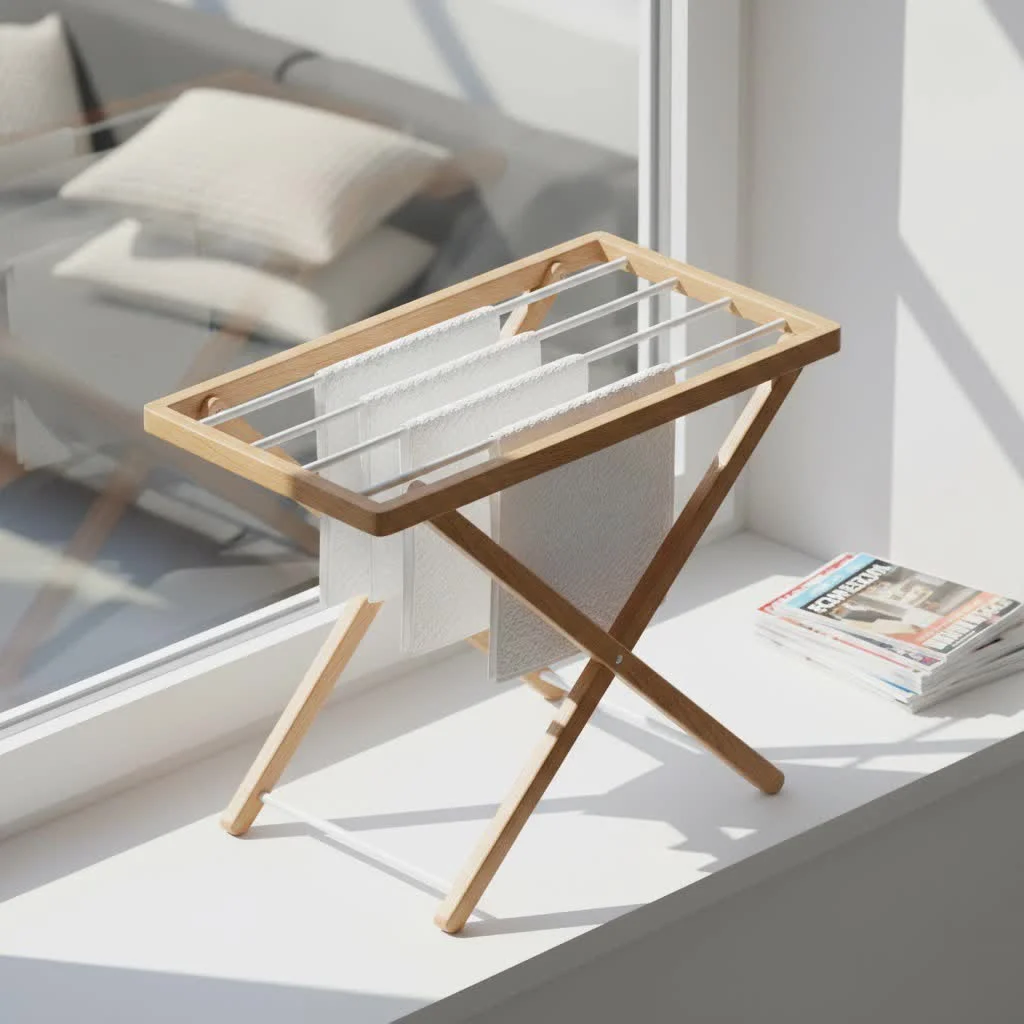
An Overview of Drying Racks
A drying rack is a practical household item designed to air dry freshly washed laundry, dishes, or other items without the need for an electric dryer. Its primary function is to provide a dedicated space for clothes to air out naturally, preserving their quality and saving energy. The concept of air drying is ancient, evolving from simple outdoor clotheslines to a vast array of sophisticated indoor and outdoor solutions that cater to diverse needs and spaces.
Historically, clothes were almost exclusively air-dried outdoors on lines, using the power of the sun and wind. As living environments became more urbanized and homes smaller, the need for indoor drying solutions grew. This led to the development of various types of drying racks, from simple collapsible models to modern, technologically advanced systems. Today’s market offers a wide spectrum of designs, including traditional floor-standing racks, space-saving wall-mounted units, and innovative hanging options that leverage vertical space, which are particularly beneficial for homes with limited floor area.
Popular Types of Hanging Drying Racks on the Market
Hanging drying racks are distinguished by their ability to utilize vertical space, keeping laundry off the floor and out of the way. This category encompasses several ingenious designs, each with unique advantages for different home setups and laundry habits.
Hanging Clothes Drying Racks
These are the most common and versatile forms of hanging racks, designed specifically for apparel.
- Over-the-Door Racks: These convenient racks hook onto the top of any standard door, providing multiple bars for hanging clothes. They are excellent for small loads, delicate items, or for drying clothes in a bathroom where steam can aid in wrinkle release. Their main advantage is requiring no installation and saving valuable floor space. However, they can block door access when in use and have limited capacity.
- Ceiling-Mounted Racks (Pulley Systems & Automated Racks): These racks are installed on the ceiling and can be lowered for loading and raised out of the way for drying. Pulley systems are manually operated, while automated versions often feature remote controls, built-in fans for faster drying, heaters, and even UV sterilization. They offer substantial drying capacity without occupying any floor space and are ideal for larger households or those in humid climates seeking advanced drying technology. Installation, however, can be more complex and costly.
- Shower Rod Hangers & Clip Hangers (Octopus Style): Simple yet highly effective, shower rod hangers can be draped over an existing shower curtain rod or feature clips for hanging small items like socks, underwear, or baby clothes. Octopus-style hangers come with multiple clips radiating from a central point, making them perfect for drying many small items efficiently. They are incredibly space-efficient and excellent for delicates, though their capacity for larger garments is limited.
- Retractable/Extendable Wall-Mounted Racks: These racks are affixed to a wall and can be pulled out or extended when needed, then folded flat against the wall when not in use. They offer a semi-permanent drying solution that remains discreet when not required, ideal for laundry rooms, bathrooms, or balconies. Installation is required, but once set up, they provide convenient drying without cluttering your living space.
Dish Drying Racks
|
Our Picks for the Best Drying Rack in 2026
As an Amazon Associate I earn from qualifying purchases.
|
||
| Num | Product | Action |
|---|---|---|
| 1 | HOMIDEC Clothes Drying Rack, Oversized 4-Tier(67.7" High) Foldable Stainless Steel Drying Rack Clothing, Movable Drying Rack with 4 castors, 24 Drying Poles and 14 Hooks for Bed Linen, Clothing, Grey |

|
| 2 | 2026 Enhanced Clothes Drying Rack - Foldable Drying Rack Clothing for Laundry - Small Collapsible Portable Dryers for Laundry - Use for Indoor & Outdoor - White 37.5"x29"x12" |
|
| 3 | Drying Rack Clothing, 3-Tier Clothes Drying Rack Foldable, Antirust Laundry Drying Rack Collapsible Use for Indoor & Outdoor, 11.8" D x 34.6" W x 35.4" H, White |
|
| 4 | Honey-Can-Do Collapsible Bamboo Drying Rack – Sturdy & Foldable Laundry Drying Rack, Space-Saving & Portable Clothes Rack for Air-Drying Clothes, Towels, Blankets & Delicates, Indoor & Outdoor Use. |
|
| 5 | Honey-Can-Do Collapsible Clothes Drying Rack – Durable, Space-Saving Laundry & Towel Rack, Sturdy Clothing Rack for Hanging Clothes Indoors & Outdoors, Steel |
|
| 6 | JASIWAY Dish Drying Rack in Sink, Expandable Stainless Steel Dish Drainers for Kitchen Counter, Dish Dryer Rack for Inside Sink, Over The Sink Dish Racks with Utensil Holder, Silver |
|
| 7 | Honey-Can-Do Collapsible Laundry Drying Rack, Sturdy Steel, Foldable & Portable Clothes Drying Rack, Space-Saving Design, Indoor & Outdoor Drying, Ideal for Laundry Room 50lb Capacity, Silver |
|
| 8 | Whitmor Folding Drying Rack, White |
|
| 9 | Clothes Drying Rack Tripod,Drying Rack Clothing,Laundry Drying Rack,Floor Standing,16 Wooden Poles,Collapsible Drying Racks for Laundry,Retractable,Foldable,Folding |
|
| 10 | Foldable Drying Rack Clothing, 3-Tier Portable Clothes Drying Racks for Indoor & Outdoor, Anti-Rust Compact Laundry Rack Collapsible, White 28" D x 10" W x 35" H |
|
While primarily focused on clothes, hanging dish drying racks also exist, often found suspended over sinks or integrated into cabinet designs. However, for the scope of maximizing laundry space, our focus remains predominantly on solutions for clothes.
Multi-functional Hanging Drying Racks
Modern innovation has led to multi-functional hanging racks that go beyond just clothes. These designs might incorporate mesh shelves for flat-drying sweaters to prevent stretching, special hooks for shoes, or adjustable tiers to accommodate various garment lengths. Their intelligent design aims to maximize utility in minimal space, offering comprehensive drying solutions for a wide range of household items.
Comparative Table of Drying Rack Types
Choosing the perfect drying rack depends on your specific needs, available space, and budget. Here’s a comparison of common drying rack types to help you make an informed decision:
| Feature | Hanging (Over-the-Door) | Hanging (Ceiling/Automated) | Wall-Mounted (Retractable) | A-Frame/Gullwing (Floor) | Tower (Floor) |
|---|---|---|---|---|---|
| Space Use | Utilizes door space; no floor space | Utilizes ceiling space; no floor space | Utilizes wall space; minimal footprint | Requires significant floor space | Requires moderate floor space |
| Material | Metal, Plastic | Metal (Aluminum, Stainless Steel) | Metal, Wood, Plastic | Metal, Wood, Plastic | Metal, Plastic |
| Load Capacity | Low to Medium | High | Medium | High | Medium to High |
| Key Pros | No installation, portable, compact | Out of sight, high capacity, advanced features | Folds flat, permanent yet discreet | Versatile, large flat drying area | Vertical design, good for small items |
| Key Cons | Blocks door, limited capacity | Installation complexity, higher cost | Installation required, less portable | Takes up floor space, can be bulky | Can be less stable, takes up floor space |
| Best Use Case | Small loads, delicates, rental homes | Large families, humid climates, permanent solution | Small laundry rooms, balconies, utility areas | Large loads, bedding, diverse garments | Limited floor space, lots of small items |
Buying Guide: How to Choose the Right Drying Rack
Selecting the ideal hanging drying rack can significantly streamline your laundry routine. Consider these crucial factors to ensure your choice perfectly matches your lifestyle and living space.
Determine Your Drying Needs
Before diving into options, clarify what you need the rack for. Will you be drying mostly clothes, delicate items, shoes, or a combination? How much laundry do you typically have per load, and how often? Critically, assess your available space: do you have a spare door, wall, balcony, or a high ceiling that can be utilized? Understanding these needs will guide you toward the most appropriate type of hanging rack. For instance, a small apartment dweller might prioritize an over-the-door or retractable wall-mounted rack for efficiency.
Material Matters
The material of your drying rack impacts its durability, weight, and suitability for different environments.
- Stainless steel and aluminum are popular choices for their strength, light weight, and resistance to rust, making them suitable for both indoor and outdoor use.
- Coated steel offers similar benefits at a lower cost but might be prone to rust if the coating chips.
- Bamboo and treated wood are aesthetic options often chosen for their natural look and sturdiness, though they typically require a waterproof coating to prevent warping or mold.
- Plastic racks are lightweight and inexpensive but may not withstand heavy loads or prolonged exposure to sunlight as well as metal alternatives. Prioritize materials that are durable and easy to clean to ensure longevity.
Consider Size and Load Capacity
Measure your potential drying space carefully. For wall-mounted or ceiling racks, know your wall dimensions or ceiling height. Capacity is usually measured in linear feet of drying space or the number of garments it can hold. Ensure the rack’s dimensions, both folded and extended, fit your space without hindering movement. Also, check the stated load capacity to confirm it can comfortably hold the weight of your wet laundry, which is significantly heavier than dry clothes.
Design and Features
Modern hanging drying racks come with a variety of designs and features that enhance convenience.
- Foldability and retractability are key for space-saving.
- Adjustable heights or arm lengths can accommodate different garment sizes.
- Integrated hooks or clips are useful for small items.
- For advanced options, look for automated systems with fans, heaters, or even UV sanitizers for faster drying and improved hygiene, especially in humid conditions. Choose a design that is intuitive to use and complements your home’s aesthetic.
Brand and Price
Invest in a product from a reputable brand known for quality and good customer service. While budget is a factor, a more durable rack might cost more upfront but save you money on replacements in the long run. Compare prices, read reviews, and check for warranties. A reliable hanging drying rack is a long-term investment that contributes to an efficient and sustainable home.
Tips for Using and Maintaining Your Hanging Drying Rack
Making the most of your hanging drying rack involves smart usage and consistent maintenance, ensuring your clothes dry efficiently and your rack lasts longer.
To maximize drying efficiency, always run an extra spin cycle in your washing machine to remove as much excess water as possible from your clothes. This significantly reduces drying time and prevents dripping indoors. When hanging items, space them out adequately to allow for optimal airflow around each garment; overcrowding can lead to slower drying and even musty smells. For shirts, dresses, and pants, using hangers directly on suitable hanging racks can help maintain their shape and minimize wrinkles, potentially reducing your ironing load. Flip thicker items like towels or jeans occasionally to ensure even drying on all sides.
Proper maintenance is key to extending the lifespan of your drying rack. Regularly wipe down the bars and frame with a damp cloth to prevent dust and lint buildup. If your rack is used outdoors, bring it inside during inclement weather or store it away when not in use to protect it from the elements, which can cause rust or material degradation. For automated or smart racks, refer to the manufacturer’s instructions for specific cleaning and care guidelines.
Common issues like musty odors can often be remedied by ensuring better air circulation, perhaps by placing the rack near an open window or using a fan. If clothes are drying slowly, consider the room’s humidity levels or the spacing of your garments. By following these simple tips, your hanging drying rack will serve as an effective and reliable tool in your laundry arsenal for years to come.
Conclusion
Hanging drying racks are more than just a laundry accessory; they are a practical necessity for modern homes, offering an ingenious blend of space efficiency, fabric care, and energy savings. From compact over-the-door solutions to advanced ceiling-mounted systems, these versatile tools provide a gentle, eco-friendly alternative to conventional drying methods. By carefully considering your specific needs, the right materials, and intelligent design features, you can select the perfect hanging drying rack to improve your laundry routine. Embrace the simplicity and effectiveness of air drying, and you’ll enjoy impeccably fresh clothes while reclaiming valuable space in your home.
Are you ready to discover how a hanging drying rack can simplify your life and refresh your laundry?
Frequently Asked Questions
Frequently Asked Questions
Are hanging drying racks truly energy efficient for home laundry?
Yes, hanging drying racks are highly energy efficient because they rely on natural air circulation to dry clothes, eliminating the need for electricity used by tumble dryers. This method significantly reduces utility bills and lowers your carbon footprint, making them an eco-conscious choice for any household.
How can I prevent clothes from becoming stiff when air drying them?
To prevent stiffness, ensure clothes are thoroughly spun in the washing machine to remove excess water before hanging. After hanging, vigorously shake out each item. Once dry, a quick tumble in a dryer without heat for a few minutes, or gently scrunching the fabric, can help soften them.
Can heavy items like wet jeans be dried on a hanging drying rack?
Many hanging drying racks are designed with sturdy materials like stainless steel or robust coated metal to handle heavier items such as jeans or wet towels. It is crucial to check the rack's specific load capacity and distribute the weight evenly to prevent sagging or instability.
What is the best material for an outdoor hanging drying rack?
For outdoor use, stainless steel or aluminum are generally the best materials due to their excellent rust resistance and durability against weather elements like rain and sun. These metal options typically offer greater longevity and strength for continuous outdoor exposure compared to treated woods or high-quality plastics.
Do indoor hanging drying racks contribute to humidity issues in a room?
Drying clothes indoors can slightly increase humidity, especially in poorly ventilated areas. This can be mitigated by ensuring good air circulation, such as placing the rack near an open window, using a fan, or running a dehumidifier. Some modern automated hanging racks include built-in fans to address this concern.
How to Choose the Right Hanging Drying Rack
Selecting the ideal hanging drying rack involves considering your specific drying needs, the materials, size, load capacity, and design features to ensure it perfectly matches your lifestyle and living space.
Before exploring options, clarify what you need the rack for, including the types of items and typical load size. Assess your available space, such as a spare door, wall, balcony, or high ceiling, to guide you toward the most appropriate type of hanging rack. For example, a small apartment dweller might prioritize an over-the-door or retractable wall-mounted rack.
The material impacts durability and suitability for different environments. Stainless steel and aluminum are strong, lightweight, and rust-resistant for indoor/outdoor use. Coated steel is more affordable but prone to rust if chipped, while bamboo and treated wood offer aesthetics but require waterproofing. Plastic is lightweight and inexpensive but less durable for heavy loads or sun exposure.
Carefully measure your potential drying space, especially for wall-mounted or ceiling racks. Capacity is measured in linear feet or garment count; ensure the rack's dimensions (folded and extended) fit without hindering movement. Always check the stated load capacity to confirm it can hold the weight of your wet laundry, which is significantly heavier than dry clothes.
Modern hanging drying racks offer various features for convenience. Look for foldability, retractability, adjustable heights, integrated hooks or clips for small items, and advanced automated systems with fans, heaters, or UV sanitizers for faster drying. Choose a design that is intuitive to use and complements your home's aesthetic.
Invest in a product from a reputable brand known for quality and customer service. While budget is a factor, a more durable rack might cost more upfront but save money on replacements. Compare prices, read reviews, and check for warranties, as a reliable hanging drying rack is a long-term investment for an efficient home.
Get our weekly buyer guide
Practical specs, not advice. Unsubscribe anytime.

I tried one of the over-the-door hanging racks for my towels, and while it’s convenient, it does make closing the door a bit tricky sometimes. It’s fine for lightweight stuff, but if I put too many damp towels on it, the door doesn’t shut properly. I might need to look into a different type for heavier items, but it works okay for lighter laundry.
I’ve been using a wall-mounted accordion rack for a few months now, and it’s pretty solid. It’s great for those smaller loads or when I don’t want to run the dryer for just a couple of items. My only minor complaint is that the bars are a little close together, so thicker items like jeans take a bit longer to dry completely. Still, it’s a huge improvement over draping clothes everywhere.
The section on retractable clotheslines really caught my eye. I have a small balcony, and this is exactly what I needed! It’s so easy to pull out when I need it and then tuck away when I’m done. It’s perfect for air-drying sheets and larger items without taking up permanent space. Definitely recommend this type for anyone with limited outdoor access.
I recently moved into a smaller apartment and was really struggling with where to dry my delicates. The guide’s mention of ceiling-mounted racks was a game-changer for me! I got one installed in my laundry closet, and it’s amazing how much space it saves. My sweaters dry perfectly flat now, and it’s completely out of the way.