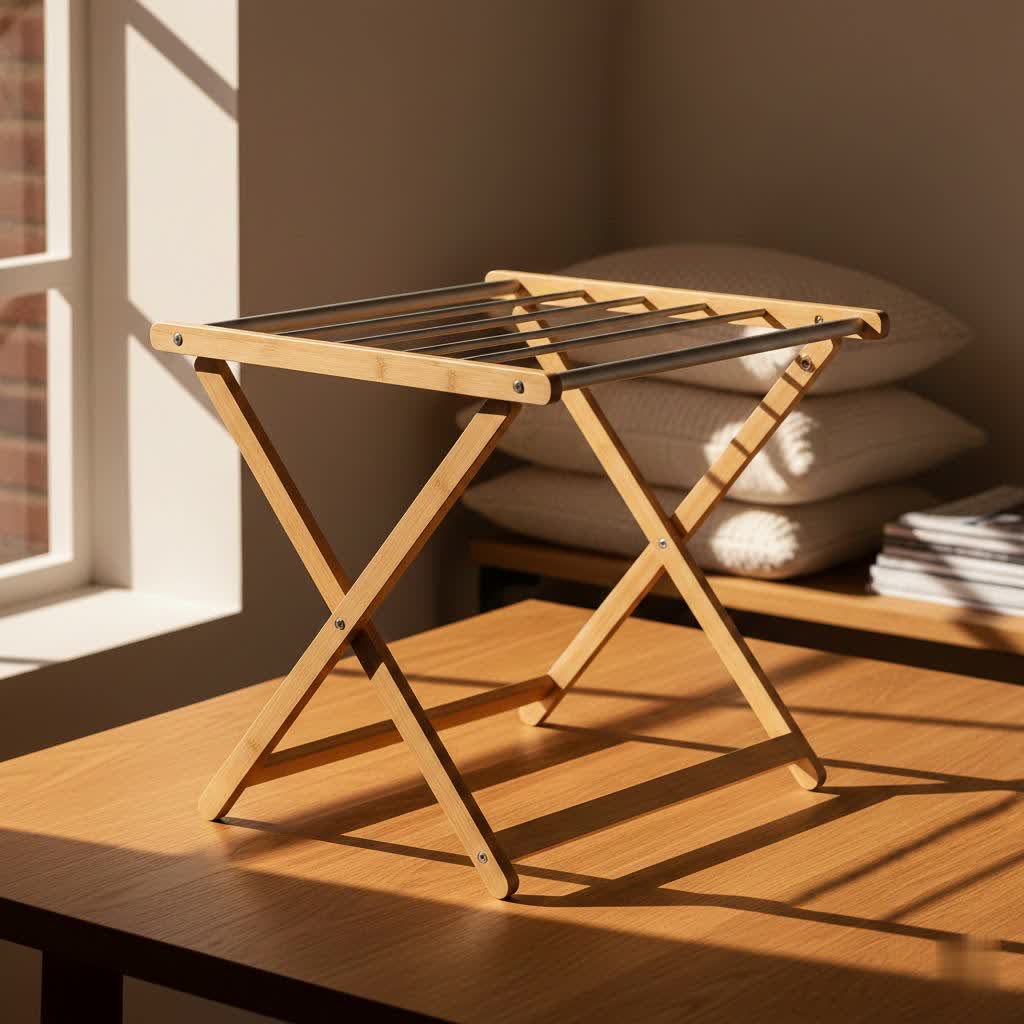
Have you ever pulled a beloved sweater from the dryer only to find it shrunk or misshapen? Or perhaps you’ve struggled with finding enough space to properly dry those “lay flat to dry” items? The secret to extending the life of your delicate garments while optimizing your laundry routine lies in a simple yet indispensable tool: the flat drying rack. This guide will explore everything you need to know about flat drying racks, from their types and benefits to choosing the perfect one for your home and mastering its use.
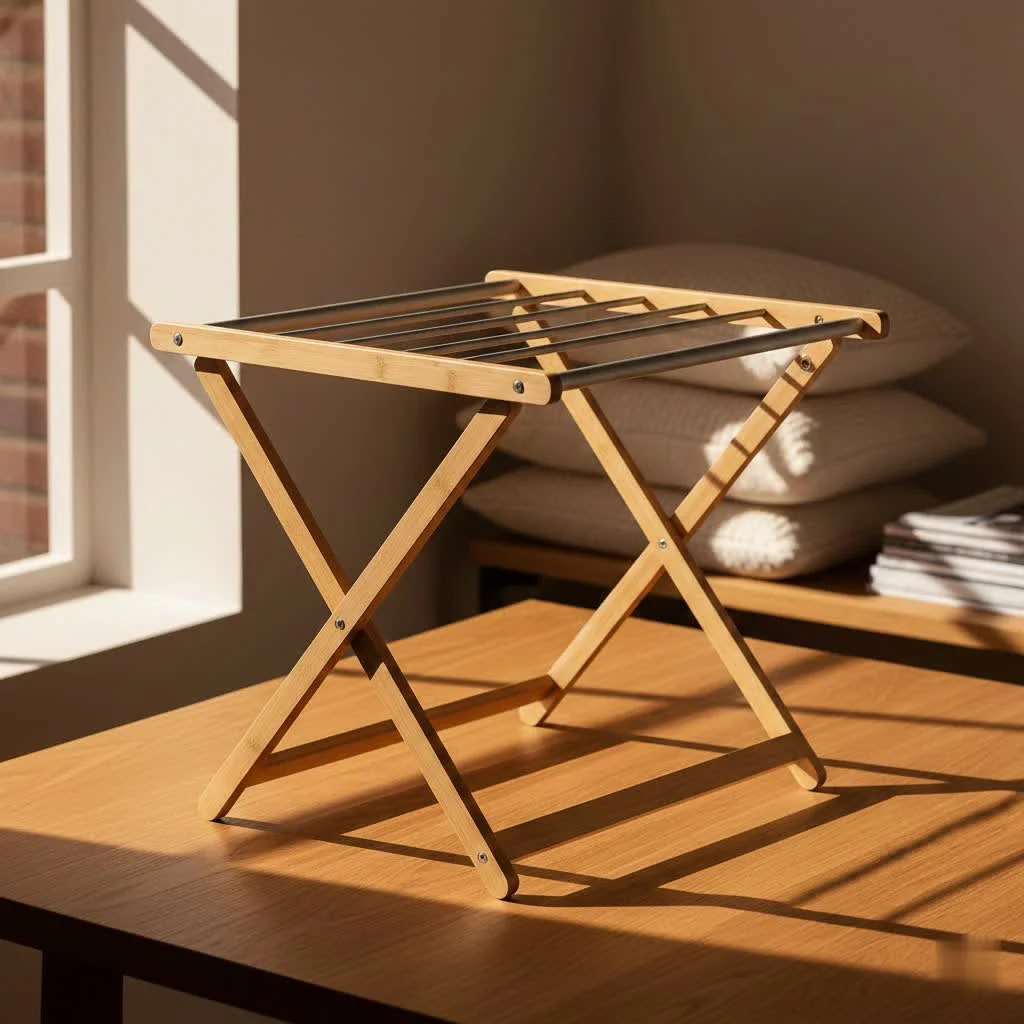
General Overview of Drying Racks
Drying racks are essential household items designed to air dry laundry, offering an eco-friendly and gentle alternative to machine dryers. At their core, drying racks facilitate natural air circulation around garments, helping them dry slowly and efficiently without harsh heat or tumbling. For best home roundups on this site.
While traditional clotheslines have existed for centuries, modern drying racks have evolved significantly, addressing diverse needs and space constraints. From simple A-frame structures to sophisticated multi-tiered designs, these innovations make air drying accessible to everyone. The distinct advantage of a flat drying rack lies in its specialized design, featuring horizontal mesh surfaces or closely spaced bars. This design is crucial for garments that are prone to stretching, warping, or developing hanger marks when hung vertically, such as delicate knits, wool sweaters, lingerie, or even shoes. By providing a flat, stable surface, these racks help clothes retain their original shape, extend their lifespan, and minimize damage.
Popular Types of Drying Racks on the Market
The market offers a variety of drying racks, many of which incorporate flat drying capabilities to cater to specific garment care needs. Understanding these types will help you identify the best solution for your delicate items.
Clothes Drying Racks
These are the most common type and often include features for flat drying.
- Mesh/Sweater Drying Racks: Specifically designed for items that must be laid flat. They feature one or more mesh screens stretched over a frame, promoting even airflow around the garment. These are ideal for wool, cashmere, and other delicate knits that can stretch or warp if hung. Many models are collapsible or stackable for easy storage and to create multiple flat drying levels. Brands like OXO offer popular folding sweater drying racks that are lightweight yet sturdy.
- Multi-tiered Drying Racks: These racks typically offer several levels for drying. Many multi-tiered racks, especially gullwing or tower designs, include flat shelf sections or mesh platforms in addition to hanging rods. This versatility allows you to hang a majority of your laundry while dedicating specific tiers to flat-dry delicate items. Some models are height-adjustable, offering flexibility for different garment sizes and better air circulation.
- Foldable and Collapsible Racks: Space-saving is a key benefit, and many foldable or collapsible racks feature flat drying surfaces. These can range from simple accordion-style racks with a top flat section to more elaborate designs with multiple mesh shelves that fold down compactly for storage in small laundry rooms or closets. Their portability also makes them suitable for both indoor and outdoor use.
Special Purpose Flat Drying Racks
|
Our Picks for the Best Drying Rack in 2026
As an Amazon Associate I earn from qualifying purchases.
|
||
| Num | Product | Action |
|---|---|---|
| 1 | Honey-Can-Do Collapsible Laundry Drying Rack, Sturdy Steel, Foldable & Portable Clothes Drying Rack, Space-Saving Design, Indoor & Outdoor Drying, Ideal for Laundry Room 50lb Capacity, Silver |

|
| 2 | Whitmor Folding Drying Rack, White |
|
| 3 | HOMIDEC Clothes Drying Rack, Oversized 4-Tier(67.7" High) Foldable Stainless Steel Drying Rack Clothing, Movable Drying Rack with 4 castors, 24 Drying Poles and 14 Hooks for Bed Linen, Clothing, Grey |
|
| 4 | Drying Rack Clothing, 3-Tier Clothes Drying Rack Foldable, Antirust Laundry Drying Rack Collapsible Use for Indoor & Outdoor, 11.8" D x 34.6" W x 35.4" H, White |
|
| 5 | Honey-Can-Do Collapsible Bamboo Drying Rack – Sturdy & Foldable Laundry Drying Rack, Space-Saving & Portable Clothes Rack for Air-Drying Clothes, Towels, Blankets & Delicates, Indoor & Outdoor Use. |
|
| 6 | Foldable Drying Rack Clothing, 3-Tier Portable Clothes Drying Racks for Indoor & Outdoor, Anti-Rust Compact Laundry Rack Collapsible, White 28" D x 10" W x 35" H |
|
| 7 | Clothes Drying Rack Tripod,Drying Rack Clothing,Laundry Drying Rack,Floor Standing,16 Wooden Poles,Collapsible Drying Racks for Laundry,Retractable,Foldable,Folding |
|
| 8 | 2026 Enhanced Clothes Drying Rack - Foldable Drying Rack Clothing for Laundry - Small Collapsible Portable Dryers for Laundry - Use for Indoor & Outdoor - White 37.5"x29"x12" |
|
| 9 | Honey-Can-Do Collapsible Clothes Drying Rack – Durable, Space-Saving Laundry & Towel Rack, Sturdy Clothing Rack for Hanging Clothes Indoors & Outdoors, Steel |
|
| 10 | JASIWAY Dish Drying Rack in Sink, Expandable Stainless Steel Dish Drainers for Kitchen Counter, Dish Dryer Rack for Inside Sink, Over The Sink Dish Racks with Utensil Holder, Silver |
|
While the primary focus of flat drying racks is often garments, the concept of flat surfaces for drying extends to other household items.
- Dish Drying Racks: These racks are designed to hold washed dishes, glasses, and cutlery, allowing them to air dry on a flat or angled surface, often with a drip tray to collect water. While different from clothes racks, they exemplify the “flat drying” principle in a kitchen context, prioritizing hygiene and efficient water drainage. Materials often include stainless steel or plastic.
- Multi-purpose Drying Racks: These versatile racks are designed to handle a wider array of items beyond just clothes. They might include designated flat mesh areas for delicates, shoe racks, and various rods for hanging. Some innovative designs even feature compartments for drying small accessories or toys. Their intelligent design often prioritizes space efficiency and ease of use, making them a comprehensive solution for diverse drying needs.
Comparison Table of Flat Drying Rack Types
Choosing the right flat drying rack can depend on various factors, from the type of garments you dry to your available space. Here’s a comparison to help you navigate your options:
| Type of Flat Drying Rack | Material | Typical Size (Unfolded) | Typical Load Capacity | Advantages | Disadvantages | Best For |
|---|---|---|---|---|---|---|
| Dedicated Mesh/Sweater Rack | Plastic, Polyester Mesh, Steel Frame | 24-30″ W x 24-30″ D x 6-12″ H | 5-10 lbs (1-2 sweaters) | Prevents stretching, optimal airflow, often stackable, lightweight, folds flat. | Limited capacity, single-purpose. | Delicates, sweaters, lingerie, small knit items. |
| Multi-Tiered with Flat Sections | Steel, Aluminum, Plastic, Bamboo | 25-35″ W x 20-25″ D x 40-60″ H | 30-50 lbs | Versatile (hanging & flat dry), large capacity, often collapsible. | Can take up more floor space, some flat sections may be small. | Mixed loads, families, items needing both flat and hang drying. |
| Collapsible Mesh Drying Towers | Plastic, Nylon Mesh, Steel Frame | 26-30″ W x 26-30″ D x 30-45″ H | 20-30 lbs | Excellent airflow due to multiple mesh levels, highly space-efficient, mobile. | May not be as sturdy for very heavy items. | Sweaters, t-shirts, delicates, multiple items needing flat drying in small spaces. |
| Wall-Mounted/Retractable | Stainless Steel, Aluminum, Wood | Varies, often 20-30″ W (extended) | 10-20 lbs | Maximizes floor space, discreet, ideal for small apartments. | Fixed location, limited capacity, not portable. | Very small spaces, permanent laundry areas, small loads of delicates. |
For instance, a dedicated mesh sweater rack is indispensable for delicate woolens, ensuring they maintain their shape perfectly. On the other hand, a multi-tiered rack with integrated flat sections offers the flexibility to handle a diverse laundry load, accommodating both hang-dried shirts and flat-dried sweaters.
How to Choose the Right Flat Drying Rack (Buying Guide)
Selecting the ideal flat drying rack involves more than just picking the first one you see. Careful consideration of your specific needs, available space, and desired features will lead to a choice that genuinely enhances your laundry experience.
Determine Your Drying Needs
Before you shop, take stock of what you typically air dry. Do you frequently wash chunky knit sweaters, delicate lingerie, or fine silk blouses that explicitly require flat drying? How many such items do you usually have in a load? Consider the maximum number of garments you might need to dry flat simultaneously. Also, assess your drying environment: Will the rack be primarily indoors, outdoors, or both? Do you have a dedicated laundry room, or will it be in a living area or bathroom? Identifying these factors will guide you toward the right type and size of rack.
Material Matters
The material of your flat drying rack directly impacts its durability, stability, and suitability for different environments.
- Stainless Steel/Powder-Coated Steel: These are highly durable and resistant to rust, making them excellent choices for both indoor and outdoor use. They offer robust support for heavier items and are easy to clean.
- Plastic/Nylon Mesh: Often used for the flat drying surfaces themselves, especially in dedicated sweater racks or multi-tiered designs. Mesh provides optimal airflow and prevents items from sagging. Ensure the frame holding the mesh is sturdy.
- Bamboo/Wood: Offers an aesthetic appeal and can be very sturdy. Bamboo is naturally water-resistant, making it a good option, but wood racks may require more care to prevent warping or mildew in damp environments.
Prioritize materials that are strong enough to support your wet garments without bending and are resistant to rust or mildew, especially if you plan to use them in humid areas.
Consider Size and Capacity
Measure your available space. A rack that’s too large will be inconvenient, while one too small won’t meet your needs.
- Footprint: How much floor space can the rack occupy when fully open?
- Drying Surface Area: For flat drying, focus on the dimensions of the mesh or flat sections. Can it accommodate your largest sweater?
- Load Capacity: Check the manufacturer’s weight limit. Wet clothes can be surprisingly heavy, so ensure the rack can support your typical load without collapsing or tipping.
Many racks offer a balance of drying space and compact storage, so look for models that fold down neatly when not in use.
Design and Features
Modern flat drying racks come with a host of features designed for convenience and efficiency.
- Foldability/Collapsibility: Essential for easy storage, especially in smaller homes.
- Portability (Wheels): If you need to move your rack frequently, wheels can be a game-changer.
- Adjustable Tiers/Height: Allows you to customize the drying space for different garment lengths or to improve airflow.
- Stackability: Dedicated sweater racks often stack, multiplying your flat drying surface without consuming more floor space.
- Mesh Design: Ensure the mesh is finely woven enough to prevent small items from falling through but open enough for good airflow.
- Stability: A wide base and sturdy construction are vital to prevent tipping, especially when loaded with wet items.
Brand Reputation and Value
Invest in a reputable brand known for quality and durability. Read reviews to gauge real-world performance and longevity. While price is a factor, consider it an investment in preserving your clothes and streamlining your laundry routine. A slightly more expensive, well-built rack will likely outlast cheaper alternatives, providing better long-term value. Always check for warranty information or a good return policy.
Tips for Using and Maintaining Your Flat Drying Rack
Maximizing the effectiveness and lifespan of your flat drying rack involves a few simple best practices. Proper usage ensures your clothes dry perfectly, and diligent maintenance keeps your rack in top condition.
Effective Use for Optimal Drying
- Gentle Water Removal: Before placing items on the rack, gently squeeze excess water from your garments. Avoid wringing, which can stretch fibers. For very wet items, lay them flat on a clean, absorbent towel and roll them up to press out moisture.
- Proper Placement: Lay garments flat and smooth on the mesh or bars. Ensure there’s enough space between items for air to circulate freely. Overlapping clothes will significantly slow down drying time and can lead to uneven drying. For sweaters, gently reshape them before laying them down.
- Ventilation is Key: Position your flat drying rack in a well-ventilated area. Near an open window, in a room with good airflow, or even under a ceiling fan will help expedite the drying process. Avoid placing it in damp, enclosed spaces, which can lead to musty smells or mildew.
- Rotate and Flip: For thicker items, gently flip them over periodically to expose both sides to the air, promoting more even and faster drying.
Cleaning and Maintenance for Longevity
- Regular Cleaning: Periodically wipe down the frame and mesh surfaces with a damp cloth and mild detergent. This prevents the buildup of dust, lint, and mildew, which can transfer to your clean clothes. For mesh, a soft brush can help remove stubborn lint.
- Thorough Drying Before Storage: Always ensure your rack is completely dry before folding and storing it. Storing a damp rack can lead to rust (for metal frames) or mildew growth, shortening its lifespan and creating odors.
- Proper Storage: Most flat drying racks are designed to fold compactly. Utilize this feature to store them in a closet, behind a door, or under a bed when not in use. This not only saves space but also protects the rack from damage.
Common Mistakes and How to Avoid Them
- Overloading: Exceeding the rack’s weight capacity can cause it to collapse, bend, or become unstable. Distribute items evenly to maintain balance.
- Incorrect Placement of Heavy Items: Placing very heavy, wet items (like large bath towels) solely on one section can strain the rack. Distribute heavy items across the rack or use dedicated heavy-duty racks for such items.
- Ignoring Ventilation: Drying clothes in a humid, unventilated room will take longer and can contribute to dampness and musty smells in your home.
- Using for Non-Flat Dry Items: While versatile, some racks are better suited for flat drying. Avoid hanging heavy items on delicate mesh surfaces that are designed for laying flat.
“A well-chosen flat drying rack isn’t just a convenience; it’s a testament to mindful garment care. It’s about respecting the fabrics and embracing a sustainable approach to laundry.” – Maria Chen, Laundry Care Expert
Conclusion
Embracing the flat drying rack is a simple yet powerful step toward more sustainable, gentle, and effective laundry care. By choosing the right rack for your needs and following a few straightforward usage and maintenance tips, you can significantly prolong the life of your delicate clothing, maintain their original shape, and reduce your reliance on energy-intensive machine dryers. From preserving your favorite cashmere sweater to ensuring your activewear dries perfectly, a flat drying rack is an invaluable addition to any home. Are you ready to transform your laundry routine with the gentle touch of a flat drying rack?
Frequently Asked Questions
Why should I use a flat drying rack instead of hanging delicate clothes?
Delicate items like wool sweaters, knitwear, and certain synthetics can stretch, warp, or develop unsightly hanger bumps when hung vertically, especially when wet and heavy. Flat drying provides even support, allowing garments to retain their original shape and structure as they dry.
What types of clothes absolutely need to be dried flat?
Items typically requiring flat drying include wool sweaters (cashmere, merino), delicate knits, rayon and modal garments prone to stretching, heavy items that could distort on a hanger, and sometimes intricate lace or embellished pieces. Always check the care label for specific instructions.
How can I make clothes dry faster on a flat drying rack?
To speed up drying, ensure good air circulation by placing the rack in a well-ventilated area, such as near an open window or with a fan running. Gently press out excess water from garments before laying them down, and ensure items are not overlapping on the rack to maximize airflow around each piece.
Can flat drying racks be used for items other than clothes?
Yes, multi-purpose flat drying racks can be used for a variety of items, including drying sneakers, small cushions, stuffed toys, or even herbs if they have appropriate mesh surfaces and are clean. However, avoid using clothes drying racks for food items due to hygiene concerns.
Are flat drying racks suitable for small apartments?
Absolutely. Many flat drying racks are designed to be highly space-efficient. Look for models that are collapsible, stackable, or wall-mounted, which can be easily stored away when not in use, making them perfect for compact living spaces.
How often should I clean my flat drying rack?
It’s recommended to wipe down your flat drying rack regularly, especially if you use it frequently or in dusty environments. A thorough cleaning with a mild detergent every few weeks or months will prevent lint, dust, and potential mildew buildup.
What is the best material for a flat drying rack?
The “best” material depends on your priorities. Stainless steel or powder-coated steel frames offer excellent durability and rust resistance. Nylon mesh is ideal for the drying surfaces themselves, providing optimal airflow and gentle support for garments. Bamboo can be a sturdy, aesthetic, and eco-friendly option.
Get our weekly buyer guide
Practical specs, not advice. Unsubscribe anytime.
