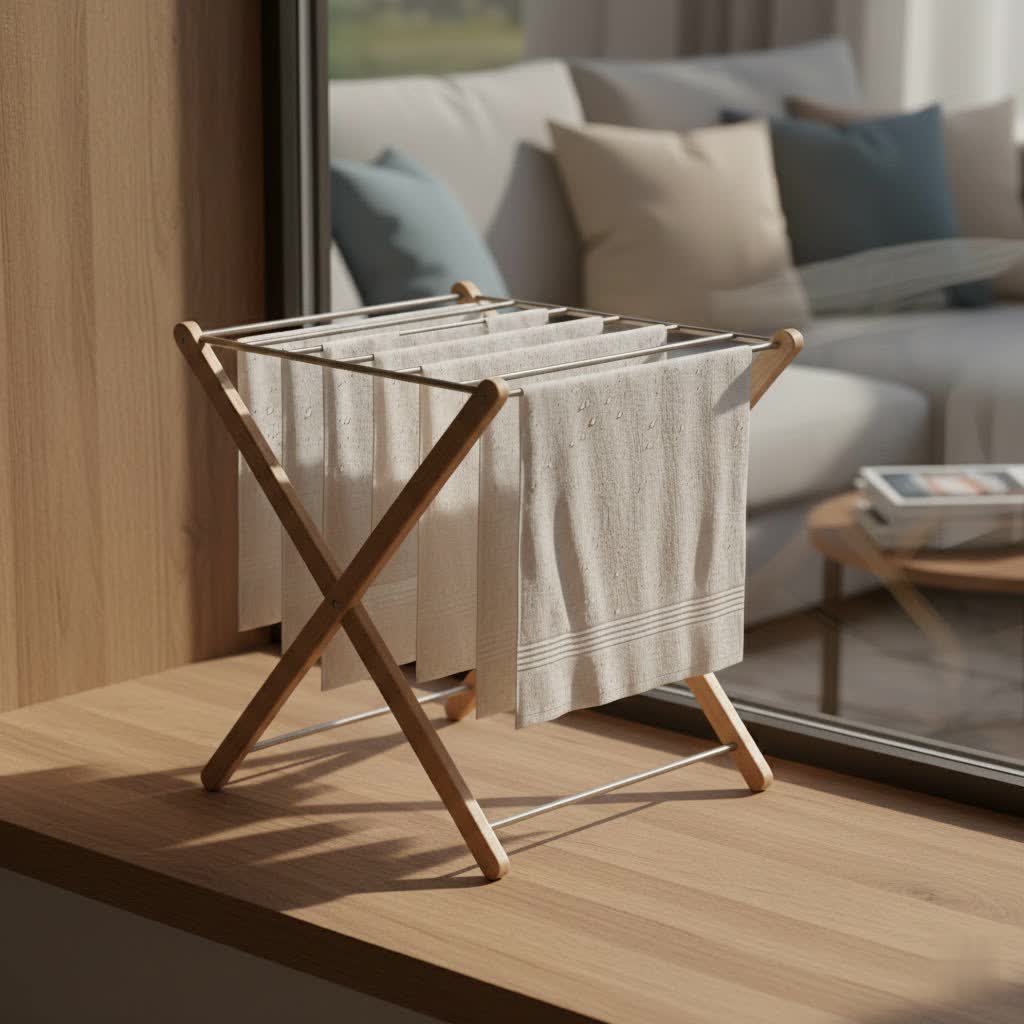
Drying laundry can often feel like a constant battle for space, especially in modern homes or apartments where every square foot counts. Bulky floor racks take up valuable real estate, while outdoor lines are at the mercy of unpredictable weather. What if you could reclaim your floor space, dry clothes more efficiently, and even preserve your fabrics, all while making your home feel more organized? The answer lies in the innovative world of ceiling mounted drying racks. This comprehensive guide will explore everything you need to know about these ingenious laundry solutions, helping you discover the perfect overhead drying system for your home and improve your daily routine.
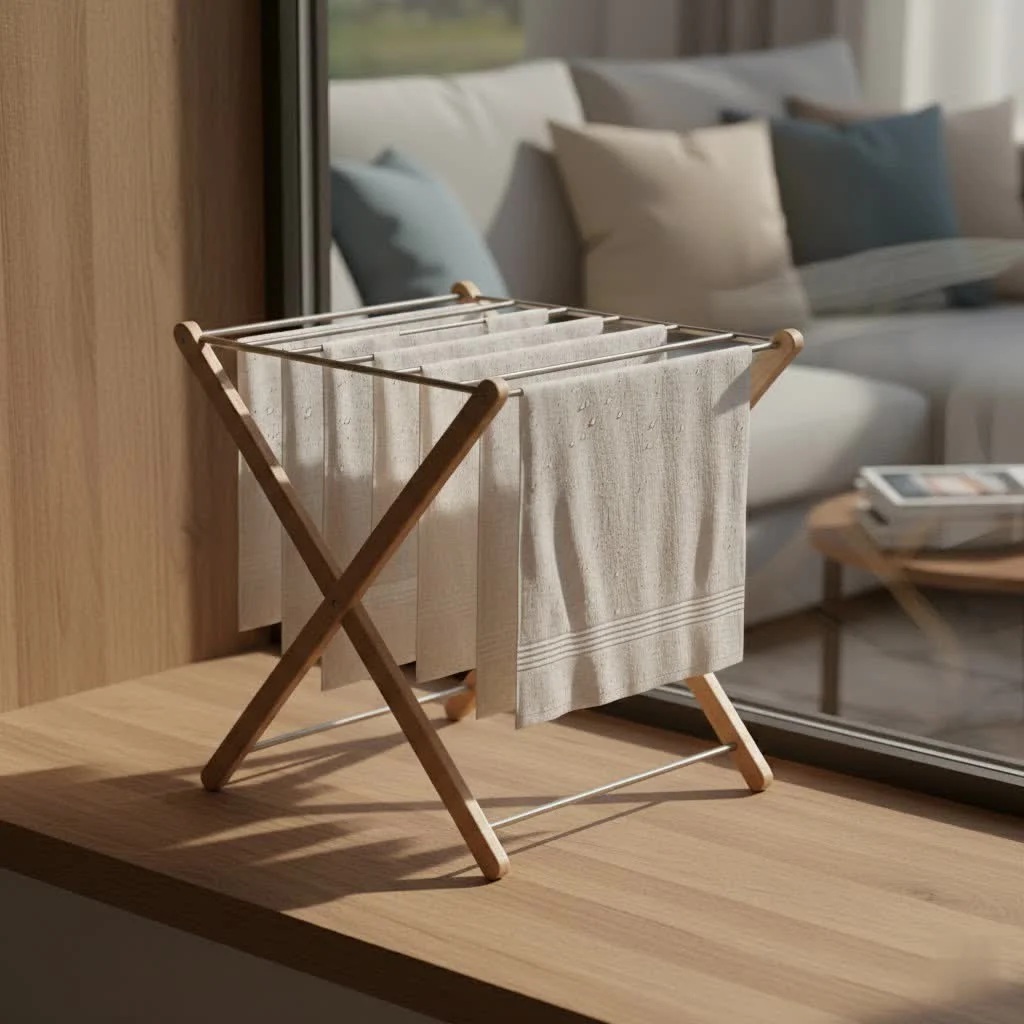
Overview of Drying Racks
Drying racks, in their essence, are structures designed to air-dry clothes and other items, offering an alternative to energy-consuming tumble dryers. Historically, drying clothes involved simple lines strung across yards or rudimentary wooden frames indoors. As living spaces evolved and environmental consciousness grew, so too did the sophistication of drying solutions. Today, drying racks come in various forms, from foldable floor models to wall-mounted and, increasingly popular, ceiling-mounted systems. For explore our home reviews on this site.
Ceiling mounted drying racks are a modern evolution, specifically designed to utilize the often-unused vertical space near the ceiling. This clever placement leverages the natural phenomenon of warm air rising, which significantly accelerates the drying process. Unlike traditional floor racks that clutter rooms, ceiling-mounted systems elevate laundry out of sight and out of mind, creating a tidier and more functional living area. They are primarily used for drying clothes, linens, and delicate items, but modern variations can also accommodate shoes and other household articles.
Popular Types of Ceiling Mounted Drying Racks
The market for ceiling mounted drying racks has expanded, offering solutions that cater to various preferences, from classic manual systems to advanced automated units. Each type presents unique advantages in terms of functionality, design, and convenience.
Manual Pulley Ceiling Drying Racks
The traditional workhorse, manual pulley ceiling drying racks, operate through a simple yet effective rope and pulley system. These racks typically consist of several parallel rods (often made from wood like American ash or metals like stainless steel and aluminum) that can be lowered to a convenient height for loading and then raised back up towards the ceiling once filled. The rope is secured to a wall-mounted cleat.
- Pros:
- Cost-Effective: Generally more affordable than automated systems.
- Reliable: Simple mechanics mean fewer parts to break down.
- Energy-Efficient: Relies solely on natural air circulation and rising warm air.
- Classic Aesthetic: Wood and metal designs can add a charming, rustic touch to a space.
- Cons:
- Manual Effort: Requires physical effort to raise and lower, which can be challenging with heavy loads.
- Potential for Swinging: Some designs may sway or feel less stable during loading, especially if not perfectly balanced.
- Rope Management: The rope needs to be tidied and secured on the wall cleat, which some might find cumbersome.
- Materials: Common materials include polyurethane-coated American ash dowels or stainless steel rods, paired with durable nylon or polyester ropes, and metal or plastic pulleys.
Automated Electric Ceiling Drying Racks
|
Our Picks for the Best Drying Rack in 2026
As an Amazon Associate I earn from qualifying purchases.
|
||
| Num | Product | Action |
|---|---|---|
| 1 | Honey-Can-Do Collapsible Laundry Drying Rack, Sturdy Steel, Foldable & Portable Clothes Drying Rack, Space-Saving Design, Indoor & Outdoor Drying, Ideal for Laundry Room 50lb Capacity, Silver |

|
| 2 | Clothes Drying Rack Tripod,Drying Rack Clothing,Laundry Drying Rack,Floor Standing,16 Wooden Poles,Collapsible Drying Racks for Laundry,Retractable,Foldable,Folding |
|
| 3 | Honey-Can-Do Collapsible Clothes Drying Rack – Durable, Space-Saving Laundry & Towel Rack, Sturdy Clothing Rack for Hanging Clothes Indoors & Outdoors, Steel |
|
| 4 | 2026 Enhanced Clothes Drying Rack - Foldable Drying Rack Clothing for Laundry - Small Collapsible Portable Dryers for Laundry - Use for Indoor & Outdoor - White 37.5"x29"x12" |
|
| 5 | Drying Rack Clothing, 3-Tier Clothes Drying Rack Foldable, Antirust Laundry Drying Rack Collapsible Use for Indoor & Outdoor, 11.8" D x 34.6" W x 35.4" H, White |
|
| 6 | Honey-Can-Do Collapsible Bamboo Drying Rack – Sturdy & Foldable Laundry Drying Rack, Space-Saving & Portable Clothes Rack for Air-Drying Clothes, Towels, Blankets & Delicates, Indoor & Outdoor Use. |
|
| 7 | JASIWAY Dish Drying Rack in Sink, Expandable Stainless Steel Dish Drainers for Kitchen Counter, Dish Dryer Rack for Inside Sink, Over The Sink Dish Racks with Utensil Holder, Silver |
|
| 8 | Whitmor Folding Drying Rack, White |
|
| 9 | Foldable Drying Rack Clothing, 3-Tier Portable Clothes Drying Racks for Indoor & Outdoor, Anti-Rust Compact Laundry Rack Collapsible, White 28" D x 10" W x 35" H |
|
| 10 | HOMIDEC Clothes Drying Rack, Oversized 4-Tier(67.7" High) Foldable Stainless Steel Drying Rack Clothing, Movable Drying Rack with 4 castors, 24 Drying Poles and 14 Hooks for Bed Linen, Clothing, Grey |
|
For those seeking ultimate convenience and advanced features, automated electric ceiling drying racks are a major upgrade. These smart systems are typically motorized, allowing you to raise and lower the rack with the push of a button on a remote control or a wall panel. Many come equipped with a suite of additional functionalities to enhance the drying experience.
- Pros:
- Effortless Operation: No manual lifting required, ideal for individuals with mobility challenges or those with heavy laundry loads.
- Enhanced Drying: Some models integrate PTC ceramic heating elements to speed up drying, or built-in fans to improve airflow.
- Integrated Lighting: Often include LED lights, providing illumination for the laundry area.
- Safety Features: Advanced units may have obstacle detection (automatically stopping if something is in the way during lowering) and overload protection.
- Sleek Design: Many feature modern, minimalist designs that blend seamlessly into contemporary interiors.
- Cons:
- Higher Cost: Significantly more expensive than manual systems due to technology and motorization.
- Installation Complexity: May require electrical wiring and professional installation.
- Power Dependency: Relies on electricity to operate, making it unusable during power outages.
- Maintenance: More complex components mean potential for more involved repairs if issues arise.
- Materials: Typically constructed from high-class carbon steel, aluminum alloy, or stainless steel, often with an electrostatic spraying process for enhanced durability, wear-resistance, and rust protection. Nylon ropes are common for retractable elements.
Specialized Ceiling Drying Racks
While primarily designed for clothes, some ceiling mounted drying racks offer specialized features that expand their utility beyond basic garment drying. These can include:
- Integrated Shoe Supports: Dedicated hooks or extensions for drying footwear, keeping them elevated for better airflow and preventing dampness.
- Multiple Rod Configurations: Designs that allow for different types of garments, from delicate items to heavy bedding, with varying rod spacing or additional clip lines.
- Retractable Rods: Some automated models feature additional rods that can be extended or retracted, providing flexible drying space as needed.
- Compact Designs: Smaller, more discreet versions suitable for very tight spaces or for drying specific items like baby clothes or intimates.
These specialized features enhance the versatility of ceiling drying racks, making them truly multi-functional household appliances that maximize vertical space for a variety of drying needs.
Comparison Table of Drying Rack Types
Understanding the nuances between different drying rack options can help you make an informed decision. Here’s a comparative look, with a focus on ceiling-mounted options against common alternatives:
| Feature | Ceiling Mounted (Manual Pulley) | Ceiling Mounted (Automated Electric) | Foldable Floor Rack | Wall Mounted Rack |
|---|---|---|---|---|
| Space Usage | Excellent (frees up 100% floor space) | Excellent (frees up 100% floor space) | Poor (occupies significant floor space) | Good (frees floor, but can obstruct wall/passage) |
| Material | Wood (ash), Stainless Steel, Aluminum, Nylon/Polyester Rope | Carbon Steel, Aluminum Alloy, Stainless Steel, Nylon Rope | Plastic, Stainless Steel, Bamboo, Wood | Stainless Steel, Aluminum, Plastic, Wood |
| Load Capacity | High (e.g., 20 kg / 44 lbs to 35 kg / 77 lbs, if securely installed) | Very High (e.g., 35 kg / 77 lbs, with robust motor & structure) | Medium (prone to tipping with heavy loads) | Medium to High (depends on anchoring and design) |
| Drying Speed | Faster (leverages rising warm air) | Fastest (leverages warm air, often with heating/fans) | Slowest (limited airflow, closer to cooler floor air) | Faster than floor (better airflow than floor, but not as high as ceiling) |
| Ease of Use | Moderate (manual lowering/raising, rope management) | Excellent (remote control, effortless operation) | Easy (no installation, simply unfold) | Moderate (manual pulling/folding) |
| Installation | Requires secure ceiling anchoring (DIY possible but professional recommended) | Requires secure ceiling anchoring & electrical wiring (professional recommended) | None (ready to use) | Simple (screw into wall studs) |
| Aesthetics | Can be charming/classic, discreet when raised | Modern, sleek, integrates well into smart homes | Can be clunky, often considered visual clutter | Can be discreet when folded, but visible when open |
| Drawbacks | Manual effort, potential for swinging | Higher cost, electrical dependency, complex installation | Clutters floor, limited capacity, can tip | May obstruct wall space, limited length/width options |
| Price Range | Low to Medium | High | Very Low to Medium | Low to Medium |
Ceiling mounted drying racks, particularly the automated versions, stand out for their superior space-saving capabilities and advanced drying efficiency, making them a top choice for modern living.
Guide to Choosing a Ceiling Mounted Drying Rack (Buying Guide)
Selecting the ideal ceiling mounted drying rack involves carefully considering your specific needs, the characteristics of your home, and the features that will provide the most benefit.
Determine Your Usage Needs
Before diving into models and features, ask yourself these crucial questions:
- What type of items do you primarily need to dry? (e.g., everyday clothes, delicate garments, heavy bedding, shoes). Some racks are better suited for specific items.
- How much laundry do you typically do in a day or week? This will dictate the required drying capacity and linear feet of hanging space.
- What is your available drying space? Consider the dimensions of your laundry room, bathroom, balcony, or any other area where the rack will be installed. Measure both the floor area and the ceiling height. that ceiling-mounted racks fully free up floor space, making them excellent for smaller rooms.
Choose the Right Material
The longevity and performance of your drying rack heavily depend on its construction materials.
- Stainless Steel: Highly durable, rust-resistant, and ideal for humid environments. It can support heavy loads and is easy to clean.
- Aluminum Alloy: Lightweight, corrosion-resistant, and strong. Often found in automated systems for its balance of strength and manageability.
- Carbon Steel (with electrostatic spraying): Offers excellent strength and is protected against rust, wear, and scratches.
- American Ash (or other treated wood): Provides a natural, aesthetic appeal. Look for polyurethane-coated wood to prevent mold and staining.
- Nylon/Polyester Rope: For pulley systems, ensure ropes are strong, durable, and ideally UV-protected if exposed to sunlight.
- Pulleys and Brackets: These components should be made from durable metal or robust plastic to ensure smooth operation and secure installation.
Consider Size and Load Capacity
Matching the rack’s size and load capacity to your needs is essential for both functionality and safety.
- Dimensions: Measure the length and width of the ceiling area where you plan to install the rack. Ensure there’s enough clearance for the rack to be lowered comfortably without hitting furniture or walls.
- Number of Rods/Lines: More rods or lines mean greater drying capacity. Consider designs with retractable rods or multiple tiers for added flexibility.
- Weight Capacity: Check the maximum weight the rack can support. A good ceiling-mounted rack should be able to hold a full load of soaking wet laundry, including heavy items like towels and jeans, often upwards of 20-35 kg (44-77 lbs), provided it’s securely installed.
Design and Features
Beyond basic drying, modern ceiling racks offer a range of designs and features:
- Manual vs. Automated: Decide if the convenience of an electric, remote-controlled system outweighs the higher cost and installation complexity compared to a simpler pulley system.
- Adjustable Height: Most ceiling racks offer adjustable height, allowing you to lower them for easy loading and raise them high to utilize warm air or keep them out of the way. Automated systems excel here, often stopping at any desired height.
- Foldable/Retractable: The ability to retract or fold components when not in use is a major space-saving advantage.
- Smart Features (for automated racks): Look for features like integrated LED lighting, heating elements for faster drying, quiet motors (e.g., <45 dB), and safety mechanisms such as obstacle detection or anti-drop functions.
Brand and Price
Investing in a reputable brand often means better quality, durability, and customer support.
- Reputation: Research brands known for their reliable drying solutions. Reviews from other users can provide valuable insights into product performance and customer satisfaction.
- Warranty: Check for product warranties and after-sales service, especially for automated systems with more complex mechanisms.
- Budget: Ceiling mounted drying racks vary significantly in price. Set a realistic budget, understanding that automated, feature-rich models will be at the higher end. Compare features across different price points to find the best value for your investment.
By meticulously evaluating these factors, you can confidently choose a ceiling mounted drying rack that seamlessly integrates into your home and simplifies your laundry routine.
Tips for Using and Maintaining Your Ceiling Mounted Drying Rack
To get the most out of your ceiling mounted drying rack and ensure its longevity, proper usage and maintenance are key.
Effective Usage Tips for Optimal Drying
- Maximize Airflow: Hang clothes with adequate space between them. Overcrowding hinders air circulation and slows drying. Utilize hangers where possible to create more distance between garments.
- Leverage Warm Air: Since warm air rises, fully raise the rack closer to the ceiling for faster drying. If you have a room with a fireplace or a heating vent, position the rack to take advantage of that warmth (but not directly above a fireplace due to fire hazard).
- Balance the Load: Distribute laundry evenly across the rods to prevent the rack from tilting or swaying, especially with manual pulley systems. Heavy items like jeans and towels should be spread out.
- Prepare Garments: Shake out clothes before hanging to remove excess water and reduce wrinkles. For items that tend to stretch (like sweaters), lay them flat on a mesh surface if your rack offers this feature, or fold them over multiple rods.
- Utilize Features: If your rack has built-in fans or heating, use them to significantly cut down drying time, particularly in humid conditions. For automated racks, use the adjustable height feature to load clothes comfortably at chest height before raising.
Cleaning and Maintenance for Extended Lifespan
- Regular Cleaning: Wipe down the rods and frame regularly with a damp cloth to prevent dust and lint buildup. For metal parts, use a mild, non-abrasive cleaner. For wooden dowels, follow the manufacturer’s recommendations.
- Rope/Pulley Inspection: For manual systems, periodically check the ropes for signs of fraying or wear. Lubricate pulleys with a light oil if they become stiff or noisy. Ensure the rope cleat is securely fastened to the wall.
- Motorized System Care: For automated racks, follow the manufacturer’s guidelines for motor and electrical component maintenance. Keep the remote control clean and replace batteries as needed. Ensure the obstacle detection sensors are clear.
- Check Fastenings: Regularly inspect all screws, bolts, and ceiling anchors to ensure they remain tight and secure. This is crucial for safety and stability, especially given the weight of wet laundry.
- Avoid Overloading: Adhere to the stated weight capacity of your rack. Consistently exceeding this limit can stress the components, leading to premature wear or structural failure.
Common Issues and Troubleshooting
- Rack Swings Excessively (Manual): Ensure the load is balanced. For new installations, verify that all pulleys are perfectly aligned and securely anchored to ceiling joists.
- Difficulty Raising/Lowering: Check ropes for tangles or fraying. Lubricate pulleys. For automated systems, check the power supply, remote batteries, or consult the manual for motor-related troubleshooting.
- Rods Sagging: This is often a sign of overloading. Reduce the amount of laundry or ensure heavy items are distributed more widely. If sagging persists with normal loads, it might indicate an issue with the material quality or installation.
- Rust Spots: While many racks are designed to be rust-resistant, prolonged exposure to high humidity without proper ventilation can lead to issues. Ensure adequate airflow in your drying area and clean regularly. Choose stainless steel for maximum rust protection in very humid environments.
By following these practical tips, your ceiling mounted drying rack will serve as an efficient and reliable laundry companion for many years to come.
Conclusion
Embracing a ceiling mounted drying rack is more than just buying a new piece of household equipment; it’s an investment in a smarter, more organized, and energy-efficient lifestyle. From reclaiming precious floor space and leveraging natural convection for faster drying to extending the life of your garments, these innovative systems offer a many benefits. Whether you opt for the dependable simplicity of a manual pulley system or the modern convenience of an automated electric model, a ceiling mounted drying rack provides a discreet and highly functional solution for your laundry needs.
By considering your specific requirements for material, size, capacity, and features, you can select the perfect rack that seamlessly integrates into your home, making laundry less of a chore and more of a streamlined process. Ready to improve your laundry routine and create a more spacious home?
Frequently Asked Questions
Are ceiling mounted drying racks difficult to install?
Installation difficulty varies. Manual pulley systems often require locating ceiling joists and securely anchoring pulleys and wall cleats, which can be a DIY project for those comfortable with basic tools. Automated electric racks are more complex, needing electrical connections, and professional installation is generally recommended to ensure safety and proper functionality.
Can ceiling mounted drying racks hold heavy loads?
Yes, well-designed and properly installed ceiling mounted drying racks are built to hold substantial weight. Many models can support full loads of wet laundry, including heavy items like towels and jeans, with capacities often ranging from 20 kg (44 lbs) to over 35 kg (77 lbs). Secure anchoring into ceiling joists or concrete is crucial for maximizing load capacity and safety.
Do ceiling mounted drying racks actually dry clothes faster?
Absolutely. Ceiling mounted drying racks leverage the principle that warm air rises. By positioning wet clothes higher in a room, they are exposed to warmer, drier air, which naturally accelerates the evaporation process compared to clothes drying on a floor rack where air circulation is often poorer and cooler.
Are automated electric ceiling drying racks energy efficient?
While automated racks use electricity for motor operation, LED lights, and optional heating/fan functions, they are still a more energy-efficient alternative to tumble dryers. The primary energy saving comes from air-drying clothes rather than heat-drying. The additional electric features can speed up drying but consume some power; however, this is typically less than a conventional dryer cycle.
What kind of ceilings can support a mounted drying rack?
Ceiling mounted drying racks require a sturdy, load-bearing ceiling structure for safe installation. Concrete or reinforced ceilings are ideal. For drywall ceilings, it is essential to locate and secure the mounting hardware directly into ceiling joists or beams, or use specialized brackets and anchors designed for drywall, possibly with additional reinforcement. Installing into weak or unreinforced ceilings can be a safety hazard.
Get our weekly buyer guide
Practical specs, not advice. Unsubscribe anytime.

I got one of the retractable ceiling racks after reading about them, hoping to save space. While it does get the job done for lighter loads, I find that when I hang heavier items like jeans or towels, it sags a bit in the middle. It’s not terrible, but I wish it felt a little more robust for larger laundry days. Still better than my old outdoor line though.
This guide was spot on about the benefits of overhead drying systems. I’ve always struggled with unpredictable weather ruining my outdoor drying plans, and a ceiling rack has completely solved that. My clothes dry indoors, out of the way, and I don’t have to worry about rain or humidity. It’s made my laundry routine so much more efficient and less stressful.
I’ve been using a ceiling mounted rack for about a month now, and it’s pretty great. The installation was a bit trickier than I expected, especially getting it perfectly level, but once it was up, it’s been super sturdy. I love that I can dry delicate items without worrying about them shrinking in the dryer. It really does help preserve fabrics.
I was so tired of tripping over my old floor drying rack, and this guide really opened my eyes to ceiling mounted options. I ended up getting a pulley system model, and it’s been a game-changer for my small laundry room. It’s amazing how much floor space I’ve reclaimed, and my clothes dry perfectly without any wrinkles. Definitely recommend looking into these if you’re short on space!