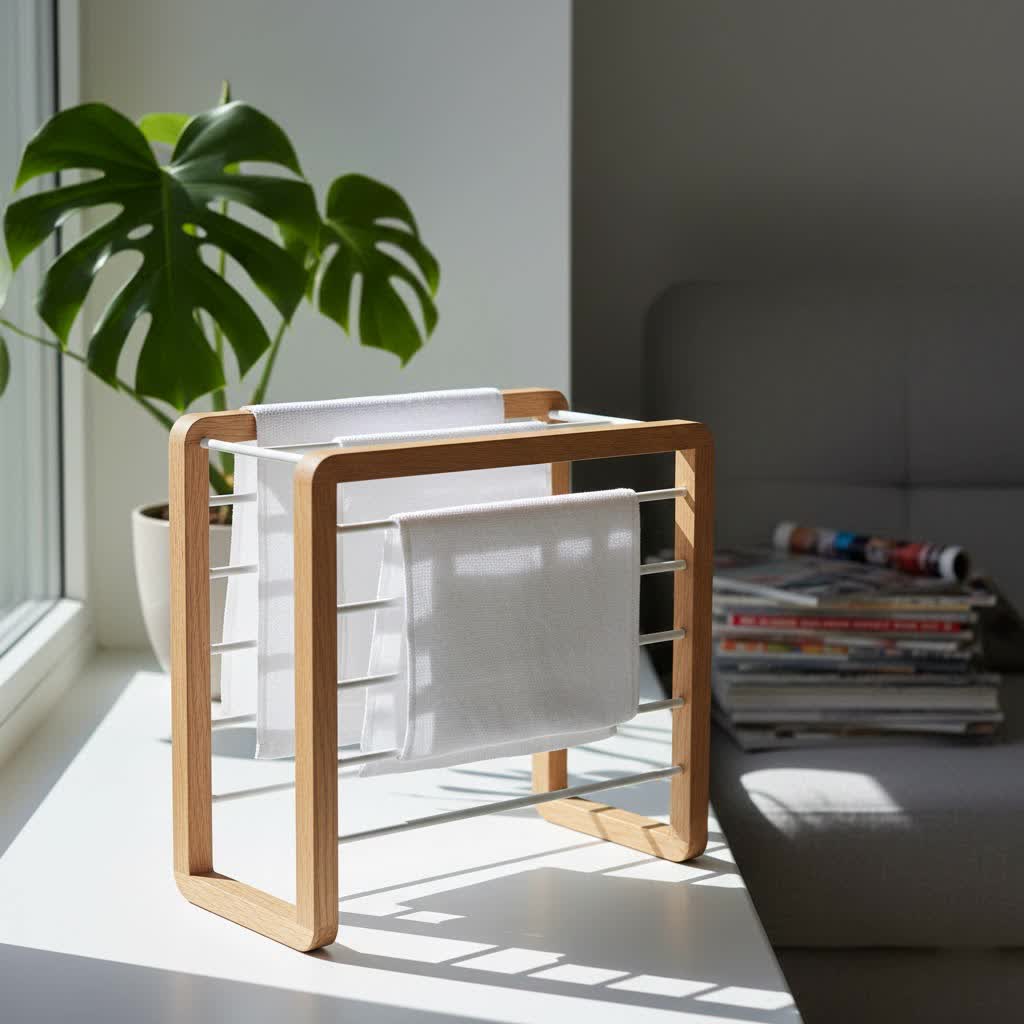
Tired of laundry day clutter and the ever-present dilemma of where to hang your freshly washed clothes? You’re not alone. In many homes, especially those with limited space, air-drying can feel like a spatial puzzle. Enter the Folding Laundry Drying Rack – a simple yet ingenious solution designed to revolutionize your laundry routine. These versatile racks offer unparalleled convenience, efficiency, and a touch of eco-friendliness, making them an essential household item.
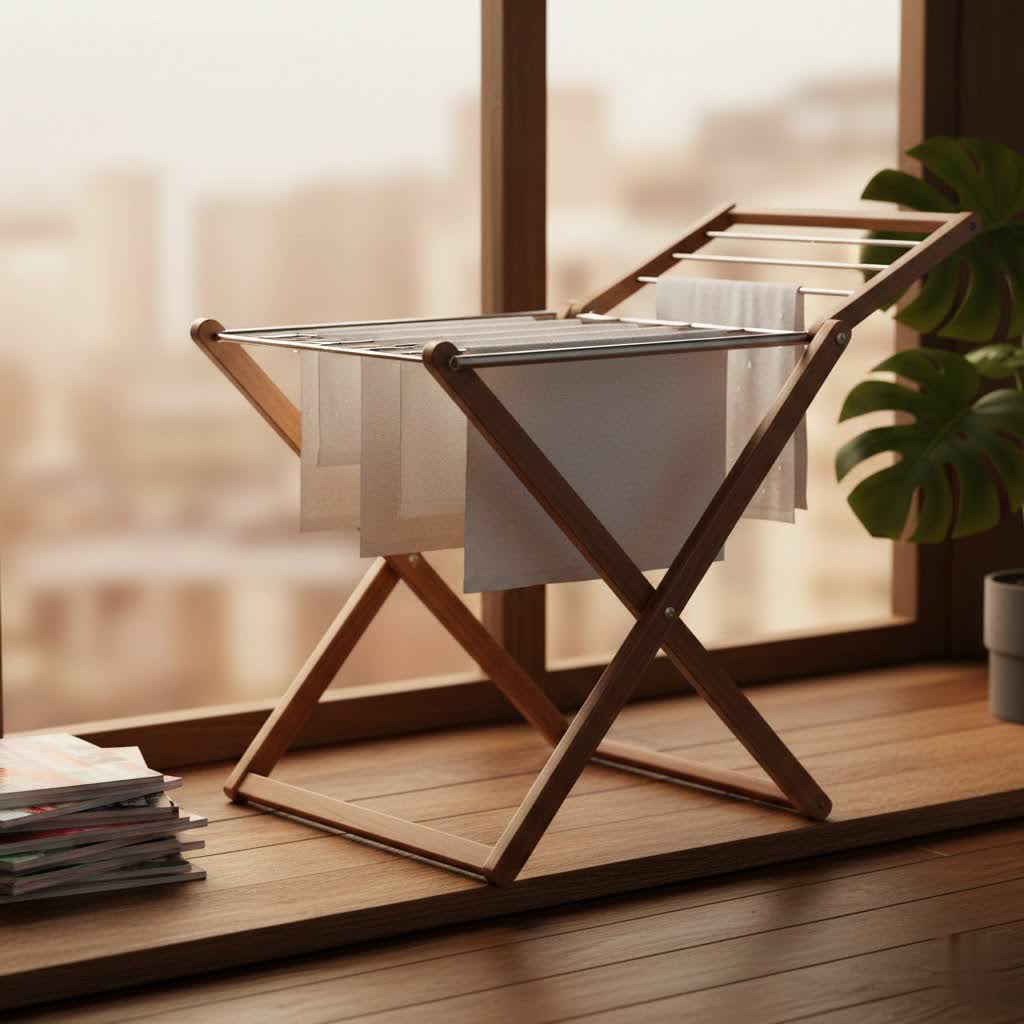
This comprehensive guide will explore everything you need to know about folding laundry drying racks, from their various types and features to how to choose, use, and maintain the perfect one for your home. Get ready to reclaim your space and transform laundry day from a chore into a breeze.
Overview of Drying Racks
A drying rack, at its core, is a structure designed to air-dry clothes and other items without the need for an electric dryer. While traditional clotheslines have been used for centuries, modern living demanded more compact and flexible solutions, leading to the evolution of the drying rack we know today. Early versions were often simple wooden frames, but contemporary designs boast advanced materials, smart folding mechanisms, and features tailored for diverse household needs.
The primary purpose of a drying rack is to allow garments to dry naturally, preserving fabric quality, saving energy, and reducing utility bills. Folding laundry drying racks specifically excel in adaptability, offering a convenient way to dry items in various spaces, from a dedicated laundry room to a small apartment balcony.
Popular Types of Folding Laundry Drying Racks on the Market
The market offers a wide array of folding drying racks, each with unique advantages tailored to different spaces and laundry habits. Understanding these types is key to finding your perfect match.
Folding Clothes Drying Racks: Gullwing, Accordion, and A-Frame Styles
These are perhaps the most recognizable types of folding drying racks, known for their classic, freestanding designs.
- Gullwing Drying Racks: Named for their “winged” extensions, these racks offer considerable linear drying space. The wings often feature adjustable angles, allowing you to accommodate items of varying lengths, from small socks to longer pants or sheets. They are often made from durable materials like steel or aluminum and can be quite stable, even when fully loaded. Many gullwing models are praised for their large capacity and ability to fold down compactly for storage.
- Accordion (Concertina) Drying Racks: These racks expand and collapse much like an accordion, featuring multiple horizontal rods. They are typically lightweight and fold into a very flat profile, making them easy to tuck away in a closet or under a bed. Made from wood (like bamboo) or metal, they are a classic choice for general laundry drying.
- A-Frame Drying Racks: As the name suggests, these racks form an ‘A’ shape when open, providing stability and a good amount of hanging space. They are often simple in design, easy to set up, and suitable for everyday use.
|
Our Picks for the Best Drying Rack in 2026
We may earn a commission when you use one of our links to make a purchase.
|
||
| Num | Product | Action |
|---|---|---|
| 1 | Whitmor Folding Drying Rack, White |

|
| 2 | Drying Rack Clothing, 3-Tier Clothes Drying Rack Foldable, Antirust Laundry Drying Rack Collapsible Use for Indoor & Outdoor, 11.8" D x 34.6" W x 35.4" H, White |
|
| 3 | 2026 Enhanced Clothes Drying Rack - Foldable Drying Rack Clothing for Laundry - Small Collapsible Portable Dryers for Laundry - Use for Indoor & Outdoor - White 37.5"x29"x12" |
|
| 4 | HOMIDEC Clothes Drying Rack, Oversized 4-Tier(67.7" High) Foldable Stainless Steel Drying Rack Clothing, Movable Drying Rack with 4 castors, 24 Drying Poles and 14 Hooks for Bed Linen, Clothing, Grey |
|
| 5 | Honey-Can-Do Collapsible Clothes Drying Rack – Durable, Space-Saving Laundry & Towel Rack, Sturdy Clothing Rack for Hanging Clothes Indoors & Outdoors, Steel |
|
| 6 | Clothes Drying Rack Tripod,Drying Rack Clothing,Laundry Drying Rack,Floor Standing,16 Wooden Poles,Collapsible Drying Racks for Laundry,Retractable,Foldable,Folding |
|
| 7 | Honey-Can-Do Collapsible Bamboo Drying Rack – Sturdy & Foldable Laundry Drying Rack, Space-Saving & Portable Clothes Rack for Air-Drying Clothes, Towels, Blankets & Delicates, Indoor & Outdoor Use. |
|
| 8 | Honey-Can-Do Collapsible Laundry Drying Rack, Sturdy Steel, Foldable & Portable Clothes Drying Rack, Space-Saving Design, Indoor & Outdoor Drying, Ideal for Laundry Room 50lb Capacity, Silver |
|
| 9 | JASIWAY Dish Drying Rack in Sink, Expandable Stainless Steel Dish Drainers for Kitchen Counter, Dish Dryer Rack for Inside Sink, Over The Sink Dish Racks with Utensil Holder, Silver |
|
| 10 | Foldable Drying Rack Clothing, 3-Tier Portable Clothes Drying Racks for Indoor & Outdoor, Anti-Rust Compact Laundry Rack Collapsible, White 28" D x 10" W x 35" H |
|
When choosing these types, consider the number of drying rods, the overall footprint when open, and the material’s resistance to rust if you plan to use it outdoors occasionally.
Multi-Tiered and Vertical Drying Racks
For those dealing with limited floor space but ample vertical height, multi-tiered and vertical drying racks are game-changers.
- Tower Drying Racks: These racks utilize vertical space efficiently, stacking multiple levels of drying rods. Some models feature rotating arms or independent tiers that can be folded down when not in use, offering flexible capacity. They often come with wheels (casters) for easy maneuverability, even when laden with wet clothes.
- Tiered Racks with Shelves: Beyond simple rods, some vertical racks incorporate flat mesh shelves, ideal for laying delicate garments like sweaters flat to prevent stretching or deforming as they dry. These shelves promote airflow and can be crucial for preserving knitwear. Many also include clips for small items like socks or underwear, maximizing every inch of drying area.
These racks are excellent for maximizing capacity in a small laundry room, bathroom, or even a tight hallway, ensuring you can dry a full load without spreading items all over your living space.
Wall-Mounted and Over-the-Door Drying Racks
When floor space is virtually non-existent, wall-mounted and over-the-door solutions provide ingenious alternatives.
- Wall-Mounted Drying Racks: These racks are permanently installed on a wall and can be pulled out or extended when needed, then pushed back flush against the wall for discreet storage. They are incredibly space-saving and offer a permanent, sturdy solution without occupying any floor space. Installation typically requires drilling, so consider the wall material and mounting location carefully.
- Over-the-Door Drying Racks: Designed to hang over any standard door, these racks offer a quick, tool-free setup. They are highly portable and ideal for renters or those who need a temporary drying spot. While their capacity might be smaller than freestanding models, they are perfect for drying a few items or as a supplementary drying solution.
Both wall-mounted and over-the-door racks are excellent for urban dwellers, dorm rooms, or anyone looking to keep their living areas entirely free of clutter.
Comparison Table of Folding Drying Racks
To help you visualize the differences and make an informed decision, here’s a comparison of common folding laundry drying rack types:
| Feature | Gullwing Rack | Accordion Rack | Multi-Tiered/Vertical Rack | Wall-Mounted Rack |
|---|---|---|---|---|
| Type | Freestanding, wide wings | Freestanding, collapsible frame | Freestanding, tall, multiple levels | Fixed to wall, retractable |
| Materials | Steel, aluminum, plastic | Wood (bamboo), stainless steel | Steel, plastic | Aluminum, steel, plastic |
| Size (Open) | Large, wide footprint | Medium, flat footprint | Tall, narrow footprint | Varies, can extend significantly |
| Size (Folded) | Flat, but can be wide | Very flat, compact | Relatively flat/compact | Flat against wall, minimal protrusion |
| Load Capacity | High (many linear feet) | Medium to High | High (utilizes vertical space) | Medium to High (depending on model) |
| Pros | High capacity, good for various item sizes, often adjustable | Very compact storage, classic design, lightweight | Maximizes vertical space, often on wheels | Ultimate space-saver, permanent solution |
| Cons | Can take up floor space when open | May have less capacity than gullwing | Can be less stable for heavy items on top | Requires installation, fixed location |
| Best For | Large laundry loads, families, versatile drying | Small apartments, delicate items, quick setup | Limited floor space, high volume, diverse items | Very small spaces, permanent laundry areas |
| Price Range | Mid-range to High | Low to Mid-range | Mid-range | Mid-range to High |
How to Choose the Right Folding Laundry Drying Rack (Buying Guide)
Selecting the ideal folding laundry drying rack involves a thoughtful assessment of your specific needs, available space, and desired features.
Assess Your Needs
Start by considering your laundry habits and living situation.
- What types of items do you need to dry? If you frequently dry delicate sweaters, a rack with flat mesh surfaces is crucial. For heavier items like jeans or towels, a sturdy rack with thicker rods and a high weight capacity is essential.
- How much laundry do you do? A single person might manage with a smaller accordion or over-the-door rack, while a family will likely need a large gullwing or multi-tiered tower rack. Look for “linear feet of drying space” to compare capacity.
- Where will you use and store it? Measure your potential drying areas (laundry room, bathroom, balcony, living room corner) and storage spots (closet, under bed). This will dictate the maximum open size and folded size you can accommodate. Do you need it for indoor-only, outdoor-only, or both?
Material Matters
The material of your drying rack impacts its durability, weight, and suitability for different environments.
- Stainless Steel: Highly durable, rust-resistant, and can support heavy loads. Excellent for both indoor and outdoor use.
- Aluminum: Lightweight, rust-proof, and easy to move. A good choice if portability is a priority, though typically less robust than steel.
- Wood (e.g., Bamboo): Offers an aesthetically pleasing, eco-friendly option. Ensure it’s treated or naturally moisture-resistant (like bamboo) to prevent mold or warping, especially if used in humid conditions. Wooden racks often have a classic look.
- Plastic: Usually the most affordable and lightweight option. Best for light loads and delicate items, but can be less durable and prone to breaking over time.
Prioritize materials that are easy to clean and can withstand the humidity of wet laundry without rusting or deteriorating.
Size and Load Capacity
Understanding the dimensions of the rack, both when open and folded, is critical for functionality and storage.
- Open Dimensions: Ensure the rack fits comfortably in your chosen drying area without impeding movement.
- Folded Dimensions: Crucial for small living spaces, a rack that folds into a slim, compact form is invaluable for storage in tight closets or narrow gaps.
- Load Capacity: Check the manufacturer’s specified weight limit (e.g., 20 lbs, 50 lbs). This ensures the rack can safely hold your typical laundry load without buckling or tipping. Also, consider the number of individual drying rods or lines available.
Design and Features
Modern folding racks come with a variety of features that enhance convenience.
- Adjustability: Look for racks with adjustable wings, rod heights, or rotating arms to customize the drying space for different garment types.
- Portability: Wheels or casters are a fantastic feature for multi-tiered racks, allowing you to easily move them between rooms or into sunlight. Lightweight designs also contribute to easy portability.
- Additional Accessories: Sock clips, shoe holders, and mesh shelves for flat-drying delicates can significantly increase the rack’s versatility and efficiency.
- Ease of Setup: Some racks require minimal to no assembly, folding out ready for immediate use. Others might involve a quick, tool-free setup, which is ideal for busy individuals.
Brand Reputation and Price
While budget is a factor, investing in a reputable brand often means better quality, durability, and customer support.
- Research Brands: Look for brands known for their sturdy construction and thoughtful design in laundry accessories.
- Read Reviews: Customer reviews can provide real-world insights into a rack’s performance, durability, and any common issues.
- Warranty: A good warranty indicates the manufacturer’s confidence in their product.
- Price vs. Value: The cheapest option isn’t always the best value in the long run. Consider the rack’s expected lifespan and functionality against its price.
Tips for Using and Maintaining Your Folding Drying Rack
Proper usage and maintenance can significantly extend the life of your folding laundry drying rack and ensure your clothes dry efficiently.
Efficient Usage Techniques
- Maximize Airflow: Arrange clothes with space between them to allow for optimal air circulation. Overloading the rack can hinder drying and lead to musty odors.
- Utilize All Spaces: Hang longer items on the highest rods, smaller items or delicates on lower rods or dedicated clips. Use mesh shelves for flat-drying sweaters to maintain their shape.
- Rotate and Flip: For thicker items, periodically flip or rotate them to expose all sides to the air, promoting even drying.
- Strategic Placement: Place your rack in a well-ventilated area, perhaps near an open window or fan, to speed up the drying process. Avoid direct sunlight for dark clothes to prevent fading.
Cleaning and Storage for Longevity
- Regular Cleaning: Wipe down your drying rack regularly with a damp cloth to remove dust, lint, and any detergent residue. For wooden racks, ensure they dry completely to prevent mold.
- Prevent Rust: If your metal rack isn’t stainless steel, avoid prolonged exposure to rain or very humid environments, which can lead to rust. If rust spots appear, you can often treat them with a rust remover.
- Proper Folding and Storage: Always fold your rack according to its design. Forcing it can damage the mechanism. Store it in a dry, cool place to prevent material degradation. The beauty of a folding rack is its ability to disappear when not in use, protecting it from wear and tear.
- Avoid Overloading: Adhere to the manufacturer’s weight capacity. Consistently overloading the rack can bend rods, stress joints, and ultimately shorten its lifespan.
Common Mistakes and How to Avoid Them
- Ignoring Weight Limits: Leads to instability and damage. Always distribute weight evenly.
- Not Cleaning Regularly: Can transfer dirt or residue to clean clothes.
- Storing While Damp: Promotes mold and mildew growth, especially on wooden racks or in tight storage spaces. Ensure the rack is completely dry before folding and putting away.
- Rough Handling: Collapsible mechanisms are designed for smooth operation. Avoid forcing parts, which can cause breakage.
“A well-chosen folding drying rack is more than just a convenience; it’s an investment in sustainable living and a testament to clever space management. It allows you to nurture your garments while being kind to the planet.” – Sarah Chen, Home Organization Expert
Conclusion
Choosing the right folding laundry drying rack can genuinely transform your approach to laundry, offering a refreshing blend of efficiency, economy, and eco-consciousness. From the space-saving brilliance of wall-mounted designs to the robust capacity of gullwing models, there’s a perfect solution waiting to meet every household’s unique needs. By carefully considering factors like material, size, and features, and committing to simple maintenance, your drying rack will serve you faithfully for years to come.
Ready to simplify your laundry routine and create a more organized home? What essential feature are you looking for in your next folding laundry drying rack?
Câu Hỏi Thường Gặp
What are the main benefits of using a folding laundry drying rack?
Folding laundry drying racks offer numerous benefits, including significant space-saving capabilities, energy efficiency compared to electric dryers, gentle drying that extends garment life, and versatility for use both indoors and outdoors. They are especially valuable in smaller living spaces where a permanent drying line isn’t feasible.
How do I choose the right size folding drying rack for my home?
To choose the right size, first assess your typical laundry load and the space available for drying and storage. Measure the area where you intend to use the rack when it’s open, and the area where you’ll store it when it’s folded. Look for the “linear feet of drying space” provided by the manufacturer to compare capacity against your needs.
Are folding drying racks suitable for delicate clothing items?
Yes, many folding drying racks are excellent for delicates. Look for models that include flat mesh shelves, which allow you to lay sweaters, silks, and other delicate fabrics flat to dry, preventing stretching or distortion that can occur when hung.
What materials are best for a durable folding laundry drying rack?
For durability, stainless steel and aluminum are top choices due to their strength and rust resistance, making them suitable for both indoor and outdoor use. Bamboo or other treated woods can also be durable and offer an aesthetic appeal, provided they are properly maintained to prevent moisture damage.
Can folding drying racks save me money on utility bills?
Absolutely. By air-drying your clothes instead of using an electric tumble dryer, you significantly reduce your energy consumption, leading to noticeable savings on your electricity bills over time. This also makes them a more environmentally friendly choice.
How do I prevent my folding drying rack from rusting or getting moldy?
To prevent rust on metal racks, ensure they are made from rust-resistant materials like stainless steel or aluminum, and avoid prolonged outdoor exposure if not designed for it. For all materials, thoroughly wipe down the rack after each use and ensure it is completely dry before folding and storing it to prevent mold and mildew growth, especially in humid environments.