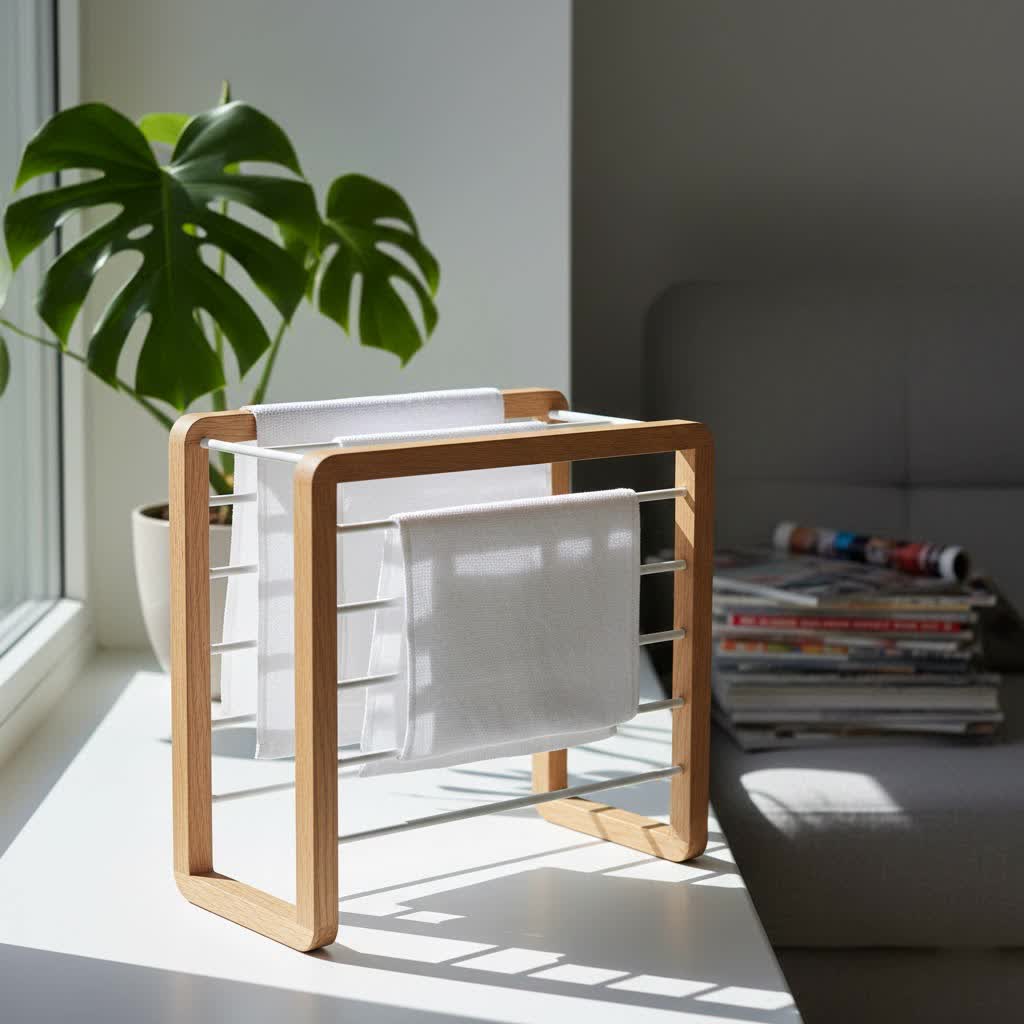
Have you ever considered the simple pleasure of laundry dried naturally under the sun and breeze? Beyond the delightful fresh scent, embracing an Outdoor Cloth Drying Rack is a smart, sustainable choice that can significantly benefit your household. In a world increasingly focused on energy efficiency and mindful living, these racks emerge as unsung heroes, extending the life of your garments while shrinking your carbon footprint and utility bills. This comprehensive guide will navigate you through the diverse world of outdoor drying racks, helping you select the perfect solution to transform your laundry routine.
Understanding Outdoor Drying Racks
An outdoor cloth drying rack is essentially any structure designed to air-dry clothes outside, leveraging natural elements like sun and wind to remove moisture. This age-old practice has evolved significantly from simple ropes strung between trees to sophisticated, engineered rack systems tailored for modern living. The primary purpose remains the same: to efficiently dry garments without the need for energy-intensive tumble dryers.
The benefits of air-drying clothes outdoors are numerous and compelling. Firstly, it offers remarkable energy efficiency, drastically reducing electricity or gas consumption and, consequently, your utility bills. Secondly, clothes dried this way are treated gently, preserving fabric integrity and extending the lifespan of your favorite garments by avoiding the wear and tear of machine drying. There’s also the undeniable advantage of a naturally fresh scent that only outdoor drying can impart, making your laundry smell cleaner and feel crisper. Finally, choosing an outdoor rack is an eco-friendly decision, lowering your household’s environmental impact by reducing greenhouse gas emissions associated with dryer use.
Popular Types of Outdoor Drying Racks on the Market
The market offers a diverse array of outdoor drying racks, each designed to cater to different spaces, laundry volumes, and preferences. Understanding the unique characteristics of each type is key to making an informed decision.
Rotary/Umbrella Drying Racks
These racks feature a central pole from which multiple lines radiate, mimicking the shape of an open umbrella. Many models allow the entire unit to rotate, ensuring all clothes receive even sun exposure and air circulation.
- Pros: Offer very high drying capacity within a relatively compact ground footprint when open. They are often foldable, allowing them to be stored more neatly when not in use. The rotation feature can speed up drying.
- Cons: Typically require permanent installation by cementing the pole into the ground. While foldable, they can still be quite bulky when fully extended. Susceptible to strong winds if not securely anchored.
- Materials: Commonly constructed from galvanized steel or aluminum for poles, with plastic or alloy steel arms and durable vinyl or nylon lines.
|
Our Picks for the Best Drying Rack in 2026
We may earn a commission when you use one of our links to make a purchase.
|
||
| Num | Product | Action |
|---|---|---|
| 1 | Honey-Can-Do Collapsible Laundry Drying Rack, Sturdy Steel, Foldable & Portable Clothes Drying Rack, Space-Saving Design, Indoor & Outdoor Drying, Ideal for Laundry Room 50lb Capacity, Silver |

|
| 2 | Honey-Can-Do Collapsible Bamboo Drying Rack – Sturdy & Foldable Laundry Drying Rack, Space-Saving & Portable Clothes Rack for Air-Drying Clothes, Towels, Blankets & Delicates, Indoor & Outdoor Use. |
|
| 3 | Foldable Drying Rack Clothing, 3-Tier Portable Clothes Drying Racks for Indoor & Outdoor, Anti-Rust Compact Laundry Rack Collapsible, White 28" D x 10" W x 35" H |
|
| 4 | 2026 Enhanced Clothes Drying Rack - Foldable Drying Rack Clothing for Laundry - Small Collapsible Portable Dryers for Laundry - Use for Indoor & Outdoor - White 37.5"x29"x12" |
|
| 5 | Clothes Drying Rack Tripod,Drying Rack Clothing,Laundry Drying Rack,Floor Standing,16 Wooden Poles,Collapsible Drying Racks for Laundry,Retractable,Foldable,Folding |
|
| 6 | Whitmor Folding Drying Rack, White |
|
| 7 | Drying Rack Clothing, 3-Tier Clothes Drying Rack Foldable, Antirust Laundry Drying Rack Collapsible Use for Indoor & Outdoor, 11.8" D x 34.6" W x 35.4" H, White |
|
| 8 | JASIWAY Dish Drying Rack in Sink, Expandable Stainless Steel Dish Drainers for Kitchen Counter, Dish Dryer Rack for Inside Sink, Over The Sink Dish Racks with Utensil Holder, Silver |
|
| 9 | HOMIDEC Clothes Drying Rack, Oversized 4-Tier(67.7" High) Foldable Stainless Steel Drying Rack Clothing, Movable Drying Rack with 4 castors, 24 Drying Poles and 14 Hooks for Bed Linen, Clothing, Grey |
|
| 10 | Honey-Can-Do Collapsible Clothes Drying Rack – Durable, Space-Saving Laundry & Towel Rack, Sturdy Clothing Rack for Hanging Clothes Indoors & Outdoors, Steel |
|
Folding Freestanding Racks
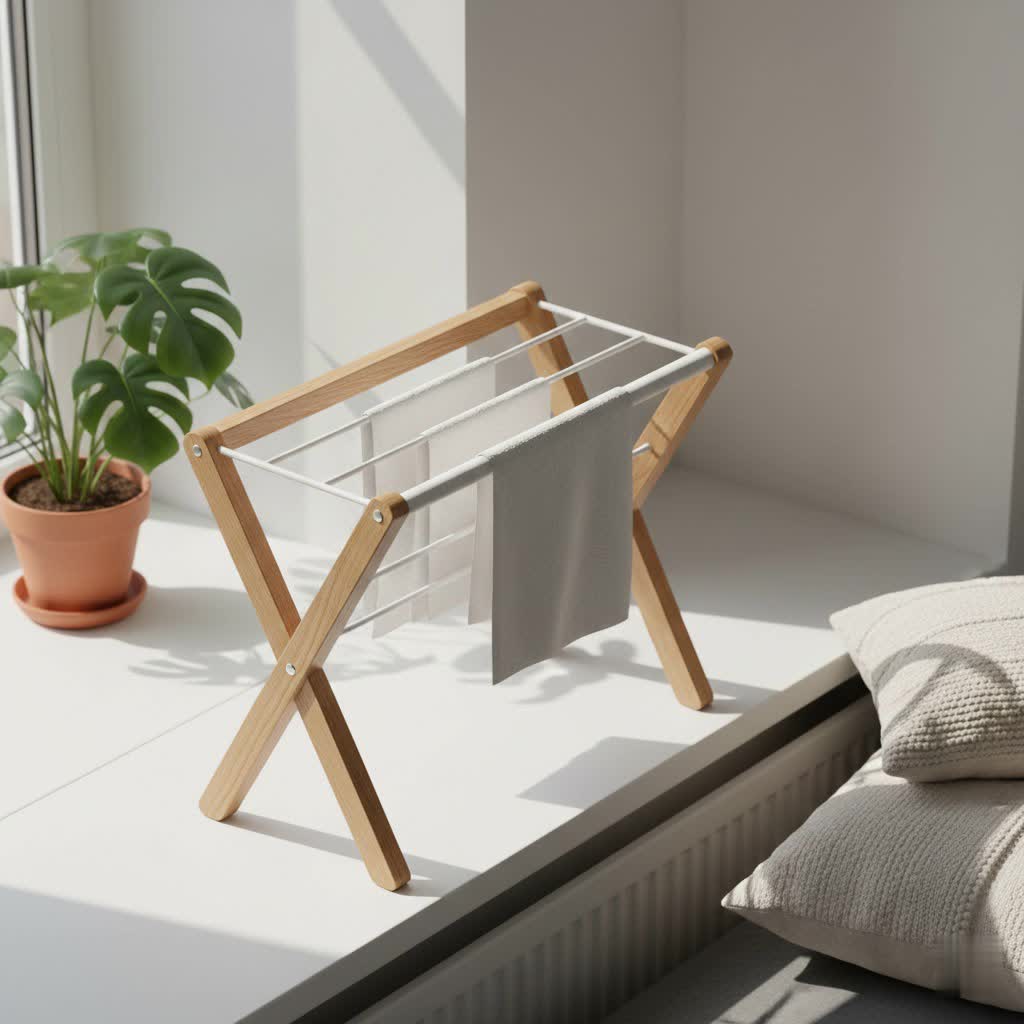
These are portable, collapsible racks, often featuring a gullwing, accordion, or A-frame design. They can be moved around as needed and folded flat for storage.
- Pros: Highly flexible in terms of placement, easily moved to catch the sun or brought indoors during inclement weather. They fold down for convenient storage in a shed or garage. Good for smaller to medium laundry loads or specific items.
- Cons: Less capacity than larger rotary models and can be prone to blowing over in strong winds unless weighted down. They occupy floor space when in use.
- Materials: Frequently made from stainless steel, alloy steel, or high-quality plastic. Some models may feature coated wooden dowels for a gentler touch on fabrics.
Wall-Mounted Drying Racks
Designed to be permanently fixed to an exterior wall, these racks often extend outwards in an accordion style or offer multiple retractable lines.
- Pros: Excellent for space-saving, particularly on balconies, patios, or small side yards where floor space is limited. They are generally very sturdy and discreet when folded back against the wall.
- Cons: Offer a fixed drying location and their capacity might be less than large freestanding or rotary models. Installation requires drilling into a wall.
- Materials: Typically constructed from rust-resistant materials like stainless steel or aluminum, ensuring durability against outdoor elements.
Retractable Clotheslines
These innovative systems feature one or more lines that extend from a wall-mounted housing and attach to a hook on an opposing wall or pole. When not in use, the lines retract back into the housing.
- Pros: Provide maximum flexibility and virtually disappear when not in use, preserving the aesthetic of your outdoor space. They are perfect for maximizing yard space for other activities.
- Cons: Lines can sometimes sag under very heavy loads. Less structured drying than a rack, which might lead to clothes bunching if not spaced carefully.
- Materials: Housings are often plastic or metal, containing durable nylon or steel-core lines.
T-Post Clotheslines
This traditional option involves two sturdy posts, usually shaped like a “T,” embedded in the ground, between which multiple lines are strung.
- Pros: Offer exceptionally high drying capacity, making them ideal for large families or drying bedding. They are extremely durable, stable, and built to withstand various weather conditions once installed.
- Cons: A permanent fixture that takes up significant yard space. Can be less aesthetically pleasing than more modern designs. Installation is typically more involved.
- Materials: Commonly use galvanized steel posts and robust clothesline rope or wire for maximum strength and longevity.
Comparative Table of Outdoor Drying Rack Types
| Feature | Rotary/Umbrella Drying Rack | Folding Freestanding Rack | Wall-Mounted Drying Rack | Retractable Clothesline | T-Post Clothesline |
|---|---|---|---|---|---|
| Capacity | High | Medium | Medium | Varies (can be high) | Very High |
| Space Use | Compact footprint when folded, large when open | Moderate when open, folds flat for storage | Minimal footprint, uses wall space | Almost invisible when retracted, long lines when in use | Significant, permanent footprint |
| Portability | Low (fixed installation) | High | Low (fixed installation) | Low (fixed installation) | Very Low (permanent installation) |
| Durability | High (weather-resistant materials) | Medium to High (depends on material) | High (often robust materials) | Medium (lines can wear over time) | Very High (heavy-duty materials) |
| Key Advantage | Maximize drying in a small ground footprint | Flexibility and easy storage | Space-saving for small outdoor areas | Discreet appearance, adaptable length | Maximum capacity and traditional reliability |
| Consideration | Professional installation, wind stability | Wind resistance, stability with heavy loads | Fixed location, limited expansion | Line sag, less structured drying | Permanent fixture, large space requirement |
| Typical Material | Alloy steel, plastic, galvanized steel | Stainless steel, plastic, coated wood | Stainless steel, aluminum | Plastic housing, nylon/steel line | Galvanized steel posts, durable rope/wire |
Essential Buying Guide: Choosing Your Perfect Outdoor Drying Rack
Selecting the ideal outdoor cloth drying rack requires careful consideration of your specific needs, available space, and desired features. Here’s a detailed guide to help you make an informed decision.
Determine Your Drying Needs
Start by assessing what and how much you typically need to dry. Do you primarily hang delicate items, or are you tackling large loads of heavy towels and bedding? The number of people in your household will dictate the required capacity, while your outdoor space (a sprawling yard, a compact balcony, or a narrow patio) will influence the most suitable type of rack. Consider both the dimensions when the rack is open and when it’s folded for storage.
Prioritize Material and Durability
Since your outdoor rack will be exposed to the elements, material is paramount for longevity and performance.
- Stainless Steel: An excellent choice for its superior rust resistance, strength, and durability, making it ideal for heavy loads and harsh weather.
- Aluminum: Lightweight and inherently rust-proof, aluminum racks are great for portability but may not support as much weight as steel.
- Galvanized Steel: Often used for the main poles in rotary or T-post systems, galvanized steel offers robust strength and good rust protection through its zinc coating.
- High-Quality Plastic: Lightweight and rust-proof, plastics are suitable for lighter loads and offer affordability. However, ensure it’s UV-resistant to prevent degradation over time.
- Treated Wood: While aesthetically pleasing, wooden racks require more maintenance. Look for models with waterproof coatings to prevent mold, warping, and rot, especially if exposed to frequent moisture.
“Always look for materials that will not rust, transfer color, or snag fabrics. Plastic will not rust, but stainless steel is much more durable and will support more weight.”
Consider Size, Capacity, and Stability
The “linear feet” refers to the total available hanging space, which directly correlates to how much laundry you can dry at once. Ensure the rack’s operational footprint fits your designated outdoor area without hindering movement. Critically, the rack’s load capacity must safely accommodate your typical laundry weight to prevent sagging or collapse. For outdoor models, stability is non-negotiable; choose a rack designed to withstand local wind conditions, and consider adding extra weights to portable models for added security.
Design and Features
Modern drying racks come with various features designed for convenience. Look for foldability or retractability if space-saving is a priority. Adjustable height features can accommodate different garment lengths, preventing longer items from dragging on the ground. Features like hanger holes or integrated clips are excellent for securing specific items and preventing clothes from blowing off on windy days. Lastly, consider the ease of assembly and installation – a user-friendly setup saves time and frustration.
Brand Reputation and Price
Investing in a reputable brand often guarantees better quality, more durable materials, and reliable customer support or warranties. While it’s tempting to opt for the cheapest option, balancing your budget with the expected quality and features will ensure your drying rack is a lasting and effective laundry solution.
Tips for Using and Maintaining Your Outdoor Drying Rack
To maximize the efficiency and lifespan of your outdoor cloth drying rack, follow these practical tips.
Efficient Usage
- Space items evenly: Allow adequate space between garments for optimal air circulation, which promotes faster and more even drying. Overcrowding can lead to longer drying times and mildew.
- Hang heavier items strategically: Place heavier garments like towels or jeans closer to the center or on the sturdiest rods of your rack to maintain balance and prevent strain.
- Shake out clothes: A quick shake before hanging can help reduce wrinkles, potentially minimizing the need for ironing.
- Leverage sun exposure: Position your rack to maximize direct sunlight for quicker drying and the sun’s natural sanitizing properties. However, be mindful that prolonged direct sun can fade some colors.
- Monitor weather: Always bring portable racks indoors during bad weather, such as heavy rain or strong winds, to protect your laundry and the rack itself.
Cleaning and Storage
- Regular cleaning: Wipe down the rack regularly with a damp cloth to remove dirt, dust, pollen, and prevent mildew buildup, especially on lines and rods.
- Inspect for rust: For metal racks, periodically check for any signs of rust. Address small spots with rust-inhibiting paint or treatments to prevent further corrosion.
- Proper storage: When not in prolonged use, especially during off-seasons or harsh weather, store foldable and retractable racks in a dry, covered area like a shed, garage, or laundry room. This simple step significantly extends the product’s lifespan.
Common Issues and How to Fix Them
- Rust: The most common issue for outdoor metal racks. Prevent this by choosing rust-resistant materials like stainless steel or aluminum, or ensure any metal parts have high-quality, weather-resistant coatings.
- Instability: If your portable rack seems wobbly or prone to tipping in the wind, ensure it’s placed on a level surface. For added stability, consider purchasing base weights or securing the legs with sandbags. For permanent installations, proper concrete setting is crucial.
- Line Sagging: Overloading can cause lines to sag. Distribute weight evenly, and avoid hanging excessively heavy, wet items close together. For retractable lines, ensure the tension mechanism is correctly engaged. If permanent lines sag over time, they may need re-tensioning or replacement.
By adopting these practices, your outdoor cloth drying rack will remain a reliable and efficient tool for many years.
Conclusion
Choosing the right outdoor cloth drying rack is more than just a purchase; it’s an investment in sustainable living, fresher laundry, and smarter energy consumption. From the high-capacity rotary dryers perfect for large families to the space-saving wall-mounted options ideal for urban balconies, there’s a perfect solution waiting to meet your specific needs. By carefully considering the type, material, capacity, and features, you can select a durable and efficient rack that seamlessly integrates into your home. Embrace the power of nature and transform your laundry experience with the simple elegance of an outdoor cloth drying rack.
Are you ready to feel the difference that fresh, air-dried laundry can make?
Frequently Asked Questions
What are the main benefits of using an outdoor cloth drying rack?
Outdoor cloth drying racks offer significant benefits, including reducing energy consumption and utility bills by eliminating the need for an electric dryer. Clothes air-dried outdoors often smell fresher, feel softer, and their lifespan is extended due to less wear and tear from machine drying.
How do I prevent my outdoor drying rack from rusting?
To prevent rust, choose outdoor drying racks made from inherently rust-resistant materials such as stainless steel or aluminum. Galvanized steel also offers good protection. If selecting other metals, ensure they have a durable, weather-resistant, and rust-proof coating, and consider storing the rack indoors when not in use for extended periods or during harsh weather.
Can I leave my drying rack outside permanently?
While many outdoor drying racks are designed for weather resistance, leaving them outside permanently can shorten their lifespan. Rotary and T-post systems are generally more permanent, but portable and folding racks benefit from being stored in a dry, sheltered area when not in active use or during extreme weather conditions like heavy rain, snow, or strong winds.
How much space do I need for an outdoor drying rack?
The space needed depends on the type of rack. Rotary/umbrella dryers require a fixed spot but can fold down, while folding freestanding racks need enough open ground when in use but store compactly. Wall-mounted racks save floor space but require suitable wall mounting. Consider both the operational footprint and storage dimensions when making your choice.
Are outdoor drying racks suitable for all types of clothing?
Yes, outdoor drying racks are suitable for almost all types of clothing. They are particularly good for delicates, sweaters (when laid flat on mesh shelves if available), and items prone to shrinking in a machine dryer. Hanging clothes allows for gentle drying, though very heavy items like large rugs might require exceptionally sturdy racks or multiple lines.