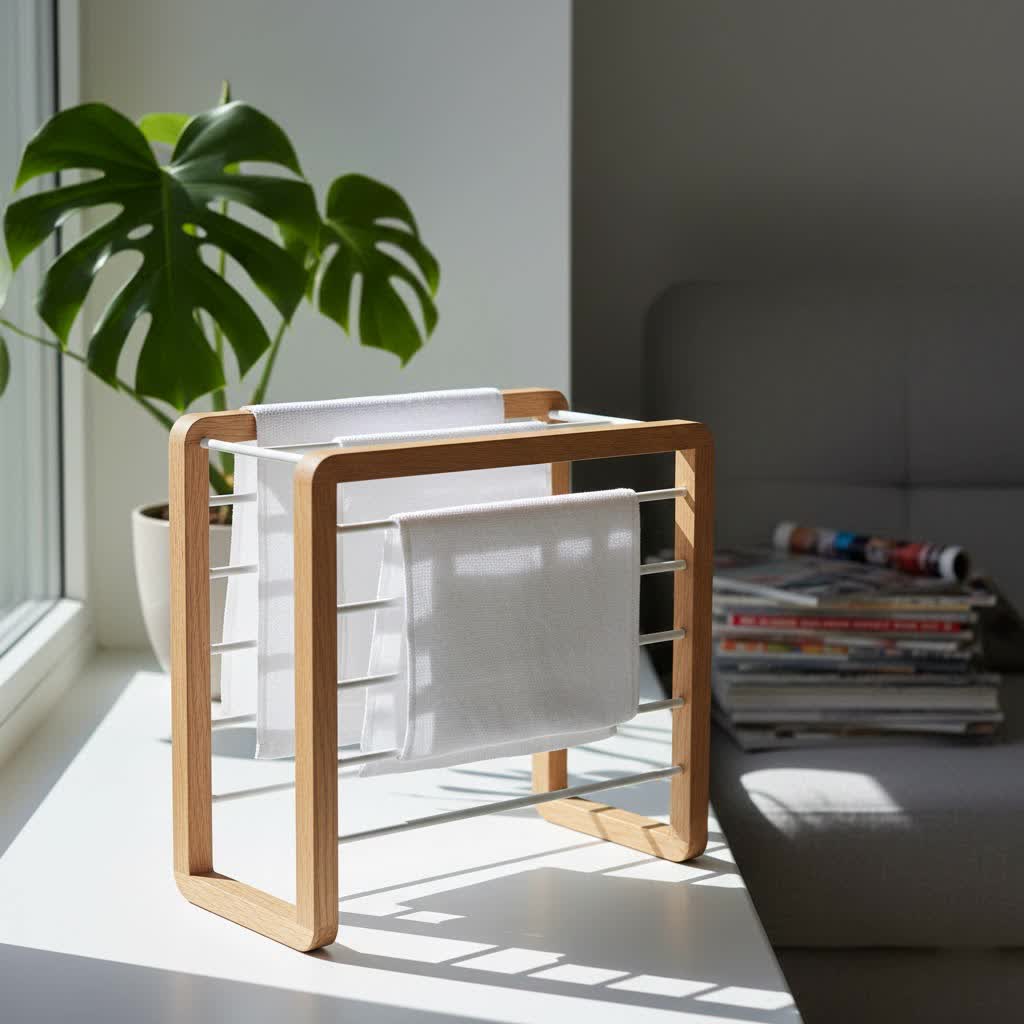
Imagine savoring the vibrant flavors and potent aromas of your garden herbs long after the growing season ends. A bountiful harvest brings joy, but the challenge often lies in preserving that freshness for future use. This is where an effective Herb Drying Rack becomes an invaluable tool, transforming your fresh bounty into a year-round supply of culinary delights and medicinal remedies. Whether you’re a seasoned gardener or just starting your herbal journey, choosing and utilizing the right herb drying rack can make all the difference, ensuring your efforts culminate in perfectly preserved herbs.
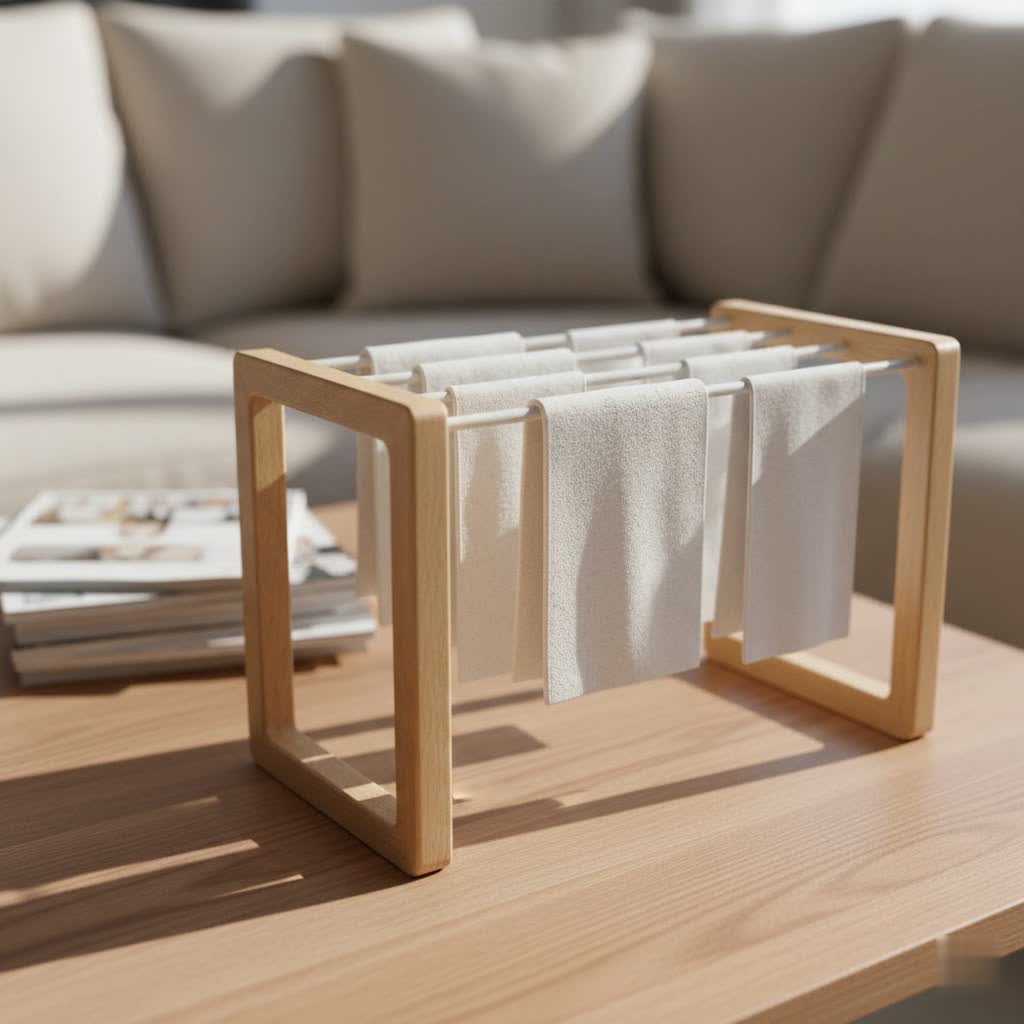
Total Overview of Drying Racks
An herb drying rack is a specialized tool designed to facilitate the natural air-drying of freshly harvested herbs. Its primary purpose is to create optimal conditions for moisture evaporation while preserving the herbs’ essential oils, flavors, aromas, and beneficial compounds. By allowing consistent airflow around and through the plant material, these racks prevent mold and rot, which are common issues when herbs are dried improperly.
Historically, drying herbs was a simple affair, often involving tying bundles and hanging them upside down from rafters or hooks in well-ventilated areas. This traditional method, while effective for small quantities, lacked the efficiency, control, and protection offered by modern solutions. As herb cultivation grew, particularly in commercial settings and among enthusiastic home gardeners, the need for more structured and space-saving drying methods emerged. This led to the evolution of drying racks from basic string-and-stick setups to sophisticated multi-tiered mesh and specialized tray systems designed for efficiency and preservation.
Today’s market offers a diverse range of herb drying racks, each catering to different needs and scales of operation. These typically fall into three main categories: hanging racks, which suspend herbs to dry; stackable racks, where herbs are laid flat on screens or trays; and more traditional or aesthetic options like wooden racks with pegs or clips. Each type provides distinct advantages, from maximizing vertical space to offering superior pest protection, ultimately making the herb preservation process simpler and more effective for every enthusiast.
Popular Herb Drying Rack Types on the Market
The variety of herb drying racks available today means there’s a perfect solution for nearly every gardener and space constraint. Understanding the common types, their benefits, and their limitations is key to making an informed choice.
Hanging Mesh Drying Racks
Hanging mesh drying racks are arguably the most popular choice for home growers and small-scale herbalists. These multi-tiered racks, often resembling collapsible tents with several layers, are typically made from durable, breathable mesh material supported by a flexible frame. They are designed to be suspended from a ceiling or hook, utilizing vertical space efficiently.
Advantages:
- Excellent Air Circulation: The mesh construction allows for consistent airflow around the herbs, promoting even drying and significantly reducing the risk of mold and mildew formation.
- Pest and Debris Protection: Many models feature zippered enclosures around each tier, creating a protective barrier against insects, dust, and other contaminants, ensuring your herbs remain clean throughout the drying process.
- Space-Saving: Their multi-tiered design maximizes drying capacity in a small footprint, making them ideal for areas like carports, sheds, grow tents, or even spare closets.
- Collapsible Design: When not in use, these racks typically fold flat into a compact size, making storage incredibly convenient and space-efficient.
- Lightweight and Portable: Easy to move and hang, offering flexibility in choosing your drying location.
- Curved Zipper Access: Some advanced designs incorporate curved zippers that open wide, providing easier access for placing and retrieving herbs compared to straight zippers that can be cumbersome.
Disadvantages:
- Can be quite large when fully extended, requiring a substantial hanging height.
- Zippers, while protective, can sometimes snag delicate plant material if not handled carefully.
|
Our Picks for the Best Drying Rack in 2026
We may earn a commission when you use one of our links to make a purchase.
|
||
| Num | Product | Action |
|---|---|---|
| 1 | Honey-Can-Do Collapsible Clothes Drying Rack – Durable, Space-Saving Laundry & Towel Rack, Sturdy Clothing Rack for Hanging Clothes Indoors & Outdoors, Steel |

|
| 2 | Drying Rack Clothing, 3-Tier Clothes Drying Rack Foldable, Antirust Laundry Drying Rack Collapsible Use for Indoor & Outdoor, 11.8" D x 34.6" W x 35.4" H, White |
|
| 3 | JASIWAY Dish Drying Rack in Sink, Expandable Stainless Steel Dish Drainers for Kitchen Counter, Dish Dryer Rack for Inside Sink, Over The Sink Dish Racks with Utensil Holder, Silver |
|
| 4 | Whitmor Folding Drying Rack, White |
|
| 5 | HOMIDEC Clothes Drying Rack, Oversized 4-Tier(67.7" High) Foldable Stainless Steel Drying Rack Clothing, Movable Drying Rack with 4 castors, 24 Drying Poles and 14 Hooks for Bed Linen, Clothing, Grey |
|
| 6 | Clothes Drying Rack Tripod,Drying Rack Clothing,Laundry Drying Rack,Floor Standing,16 Wooden Poles,Collapsible Drying Racks for Laundry,Retractable,Foldable,Folding |
|
| 7 | 2026 Enhanced Clothes Drying Rack - Foldable Drying Rack Clothing for Laundry - Small Collapsible Portable Dryers for Laundry - Use for Indoor & Outdoor - White 37.5"x29"x12" |
|
| 8 | Foldable Drying Rack Clothing, 3-Tier Portable Clothes Drying Racks for Indoor & Outdoor, Anti-Rust Compact Laundry Rack Collapsible, White 28" D x 10" W x 35" H |
|
| 9 | Honey-Can-Do Collapsible Laundry Drying Rack, Sturdy Steel, Foldable & Portable Clothes Drying Rack, Space-Saving Design, Indoor & Outdoor Drying, Ideal for Laundry Room 50lb Capacity, Silver |
|
| 10 | Honey-Can-Do Collapsible Bamboo Drying Rack – Sturdy & Foldable Laundry Drying Rack, Space-Saving & Portable Clothes Rack for Air-Drying Clothes, Towels, Blankets & Delicates, Indoor & Outdoor Use. |
|
Materials: Primarily made from nylon mesh, with a metal or plastic frame.
Buying Tips: Look for racks with robust, smooth-gliding zippers, an adequate number of tiers for your typical harvest size, and a material that feels durable.
Stackable Drying Racks/Trays
Stackable drying racks, or drying trays, offer an alternative method where herbs are laid flat on individual screens that can then be stacked on top of each other. These systems are particularly beneficial for herbs with delicate leaves or for drying larger quantities of smaller plant parts.
Advantages:
- Flexible Placement: Can be set up on any flat surface, such as a table, countertop, or shelf, eliminating the need for hanging points.
- Modular Design: Often come as individual screens or trays that can be stacked, allowing you to customize the height and capacity based on your current drying needs.
- Optimal for Certain Herbs: Ideal for drying individual leaves, flowers, or small buds that might fall through the mesh of hanging racks or benefit from lying flat.
Disadvantages:
- Can take up more horizontal space compared to hanging racks.
- May require manual turning of herbs to ensure even drying on all sides.
- Generally offer less protection from airborne dust and pests unless placed in an enclosed environment.
Materials: Commonly made with mesh screens set within plastic or wooden frames. Higher-end models, especially for commercial applications, may feature medical-grade stainless steel for enhanced hygiene and durability.
Buying Tips: Prioritize screens with fine mesh to prevent small herb pieces from falling through. Ensure the stacking mechanism is stable and allows for sufficient airflow between layers.
Traditional and Aesthetic Drying Racks
For those who value aesthetics or prefer to dry smaller bundles of herbs, traditional wooden or metal hanging racks provide a charming and functional solution. These often harken back to older methods of herb preservation.
Advantages:
- Aesthetically Pleasing: Often crafted from wood or decorative metal, these racks can serve as a rustic kitchen decor piece while actively drying herbs.
- Simple and Durable: Typically robust in construction, designed for long-term use.
- Good for Bundles: Ideal for tying and hanging small bunches of herbs, allowing them to air dry naturally.
Disadvantages:
- Limited Capacity: Cannot handle large harvests like multi-tiered mesh racks.
- No Pest Protection: Herbs are exposed to the open air, offering no defense against insects or dust.
- Slower Drying: Densely tied bundles may take longer to dry, increasing the risk of mold if not properly monitored.
Materials: Pine wood, other natural woods, or various metals. Some may include clips or pegs for easier attachment of herb bundles.
Buying Tips: Choose materials that complement your home’s aesthetic. Consider models with clips or multiple pegs for better organization and airflow between bundles. Ensure the rack is sturdy enough to hold the weight of your wet herb bundles.
Comparison Table of Herb Drying Racks
Choosing the right herb drying rack depends largely on your specific needs, the volume of herbs you process, and your available space. Here’s a comparative overview to help you decide:
| Type | Material | Capacity | Airflow | Pest/Dust Protection | Portability | Best For |
|---|---|---|---|---|---|---|
| Hanging Mesh Rack | Nylon Mesh, Metal/Plastic Frame | High (multi-tier) | Excellent | High (zippered) | High (collapsible) | Large harvests, limited horizontal space, ensuring cleanliness |
| Stackable Trays | Mesh, Plastic, Stainless Steel | Medium-High | Good | Low (open design) | Medium (modular) | Delicate leaves, buds, spreading out for even drying, flexible placement |
| Traditional/Wood Rack | Wood, Metal, Rope | Low | Moderate | None | Low | Small bundles, decorative use, rustic aesthetic |
For gardeners with frequent, sizable harvests who need to save space and protect their herbs from environmental factors, a hanging mesh rack is often the most efficient choice. If you prefer to lay herbs flat or have ample surface area, stackable trays offer flexibility. Meanwhile, traditional racks are perfect for smaller batches or adding a charming touch to your kitchen.
Guide to Choosing the Right Herb Drying Rack (Buying Guide)
Selecting the ideal herb drying rack involves considering several key factors that align with your gardening habits and living space. Making a thoughtful choice ensures efficient drying and maximizes the quality of your preserved herbs.
Identify Your Drying Needs
Before diving into options, ask yourself a few questions about your herb drying routine:
- What types of herbs will you dry? Leafy herbs like mint and basil might benefit from flat drying, while robust herbs like rosemary or lavender can be hung in bundles. Delicate flowers or cannabis buds require gentle handling and good air circulation.
- How much do you harvest? Small kitchen gardens might only need a compact rack for occasional use, whereas a large herb garden demands a multi-tiered system with significant capacity.
- Where will you dry your herbs? The available space—whether a small apartment corner, a spacious garage, a dedicated grow tent, or an outdoor covered porch—will dictate the appropriate size and type of rack. Hanging racks are great for vertical space, while stackable trays need horizontal surfaces.
Select the Right Material
The material of your herb drying rack plays a crucial role in its durability, hygiene, and effectiveness.
- Mesh: Often made from nylon, mesh provides excellent airflow, which is paramount for quick and even drying, preventing moisture buildup and mold. It’s also lightweight and typically found in collapsible hanging racks.
- Stainless Steel: For components like frames or trays, stainless steel is a durable, rust-resistant, and hygienic choice, particularly important for any food-grade drying surfaces.
- Wood: Wooden racks offer a natural, rustic aesthetic. If choosing wood, ensure it’s untreated or food-safe and designed with enough space for proper ventilation to avoid moisture trapping.
Consider Size and Capacity
The physical dimensions and drying capacity of the rack must match both your harvest volume and your available space.
- Dimensions: Measure your intended drying area. For hanging racks, consider the total height when fully extended (some can be 5-6 feet tall) and their diameter. For stackable trays, evaluate the footprint required on your flat surface.
- Capacity: Determine how many layers or trays you’ll need. If drying multiple types of herbs simultaneously, look for racks with distinct compartments or ample space on each tier. It’s often wise to choose a rack slightly larger than your immediate needs to accommodate unexpectedly large harvests or different herb sizes.
Design and Features Matter
Modern herb drying racks come with various features designed to enhance convenience and performance.
- Zippered Enclosures: A key feature for hanging mesh racks, zippers protect herbs from pests, dust, and environmental fluctuations. Curved zippers, in particular, offer wider openings for easier loading and unloading.
- Collapsible Design: Most hanging mesh racks are designed to fold flat, making them incredibly easy to store in a small space when not in use.
- Adjustable Tiers/Modularity: Some stackable or clip-on hanging racks allow you to add or remove layers, adjusting the capacity to your current batch of herbs.
- Hanging Mechanism: Look for sturdy hooks or carabiners that can reliably support the weight of wet herbs.
Brand and Value
While price is a consideration, it shouldn’t be the sole determinant.
- Reputable Brands: Opt for brands known for quality and durability in gardening or homesteading supplies. Reading user reviews can provide insights into a product’s real-world performance.
- Balance Cost and Quality: A higher price often indicates better materials and construction, but it doesn’t always guarantee the best fit for your specific needs. Compare features, materials, and reviews to find the best value within your budget, prioritizing optimal drying conditions over just the lowest cost. The goal is perfectly dried herbs, and a good rack is an investment in that outcome.
Tips for Using and Maintaining Your Herb Drying Rack
Maximizing the effectiveness and lifespan of your herb drying rack involves proper usage and consistent maintenance. Following these tips will help ensure your herbs dry perfectly and your equipment lasts for many seasons.
Effective Use
- Prepare Your Herbs: After harvesting, gently rinse your herbs if necessary to remove any dirt or debris, then pat them thoroughly dry to prevent excess moisture from lingering. Remove any damaged or discolored leaves.
- Optimal Spacing: Spread your herbs in a single, even layer on each tier or tray of the rack. Avoid overcrowding, as this restricts airflow and can lead to uneven drying or, worse, mold growth. If space is tight, use fewer herbs per layer or consider a rack with more tiers.
- Choose the Right Location: Air drying relies on good air circulation, low humidity, and consistent temperatures. Place your rack in a dark, dry, and well-ventilated area such as a dedicated drying room, a basement, a covered porch, a spare closet, or a grow tent. Avoid direct sunlight, which can cause herbs to bleach, lose their vibrant color, and degrade their potent compounds and flavors.
- Monitor Conditions: Pay attention to the humidity levels in your drying area. If humidity is high, consider using a small fan to gently circulate air, but avoid pointing it directly at the herbs. In exceptionally humid climates, you might need to finish the drying process in an electric dehydrator to ensure crisp dryness.
- Labeling is Key: If drying multiple types of herbs, use small labels or sticky notes on each tier to keep varieties organized and prevent mixing flavors.
Cleaning and Storage
- Clean After Each Use: Once your herbs are dry and stored, clean the rack thoroughly. For mesh racks, wipe down each tier with a damp cloth and mild soap, then rinse clean. Ensure all soap residue is removed. Wooden or metal racks can be wiped clean with a dry or slightly damp cloth.
- Ensure Complete Dryness Before Storage: Before collapsing or storing your drying rack, make absolutely certain it is completely dry. Storing a damp rack can lead to mildew, unpleasant odors, and damage to the material.
- Proper Storage: Most hanging mesh racks are designed to fold flat and come with a storage bag. Utilize this feature to protect the rack from dust and damage when it’s not in use. Store it in a dry place to maintain its integrity for future harvests.
Common Mistakes & Solutions
- Overcrowding the Rack: This is the most frequent mistake, leading to poor airflow and a high risk of mold.
- Solution: Always spread herbs in a thin, single layer. If you have a large harvest, get an additional rack or dry in batches.
- Drying in Direct Sunlight: While tempting, sunlight degrades chlorophyll, leading to brown, less potent herbs with diminished flavor.
- Solution: Always dry herbs in a dark or shaded area to preserve their color, flavor, and medicinal properties.
- Insufficient Airflow/High Humidity: These conditions create a breeding ground for mold and can extend drying times indefinitely.
- Solution: Ensure your drying area is well-ventilated. A small oscillating fan (not directly blowing on herbs) can significantly improve air circulation. Consider a dehumidifier in very humid environments, or finish the process in an electric dehydrator if herbs remain pliable after a week or two.
- Not Cleaning the Rack: Residual plant matter or moisture can harbor mold spores.
- Solution: Thoroughly clean and dry your rack after every use to maintain hygiene and prevent contamination of future harvests.
By following these practical tips, your herb drying rack will become a reliable partner in preserving the bounty of your garden, ensuring you always have a supply of high-quality dried herbs at your fingertips.
Conclusion
Embracing an herb drying rack is a simple yet profoundly effective way to extend the life and utility of your garden’s bounty. From the efficient, multi-tiered hanging mesh designs that safeguard your harvest from pests and maximize vertical space, to versatile stackable trays perfect for delicate leaves, and charming traditional wooden racks for smaller, aesthetic drying, there’s a solution tailored for every herb enthusiast. The benefits of preserving your herbs through proper air drying—maintaining their vibrant flavors, potent aromas, and essential properties—are immense, transforming your fresh produce into a year-round treasure. By carefully considering your drying needs, choosing the right materials and features, and adhering to best practices for use and maintenance, you can ensure each harvest is dried to perfection. Investing in a quality herb drying rack means investing in flavor, health, and a more sustainable approach to enjoying your garden’s gifts. What herbs will you preserve first with your new drying rack?
Frequently Asked Questions
Why shouldn’t I dry herbs in direct sunlight?
Direct sunlight contains UV rays that can degrade the chlorophyll in herbs, causing them to lose their green color and turn brown. More importantly, it can diminish their delicate essential oils, flavor, aroma, and medicinal potency. Optimal drying occurs in a dark, well-ventilated environment to preserve these valuable qualities.
How do I prevent mold when using an herb drying rack?
Preventing mold is crucial for successful herb drying. Ensure generous spacing between herbs on each tier to allow for maximum air circulation. Maintain a dry, well-ventilated drying area with low humidity. If ambient humidity is high, using a small fan for gentle air movement can be beneficial, but avoid direct strong airflow.
Can I dry different types of herbs on the same rack?
Yes, you can typically dry different types of herbs on the same rack. However, it’s a good practice to separate strongly aromatic herbs from those with milder scents to prevent flavor transfer. Labeling each tier or section is highly recommended to keep your varieties organized and easily identifiable.
How long does it take for herbs to dry on a rack?
The drying time for herbs on a rack can vary significantly, usually ranging from a few days to one or two weeks. Factors influencing this include the herb’s moisture content, the ambient temperature, the humidity of the drying environment, and the amount of airflow. Herbs are fully dried when they become brittle to the touch and crumble easily.
Are herb drying racks only for culinary herbs?
No, herb drying racks are highly versatile tools. While widely used for culinary herbs like basil, oregano, and rosemary, they are also excellent for preserving medicinal herbs, flowers for potpourri or crafts, and even cannabis in regions where its cultivation and drying are legal. They facilitate natural air drying for a broad spectrum of plant materials.