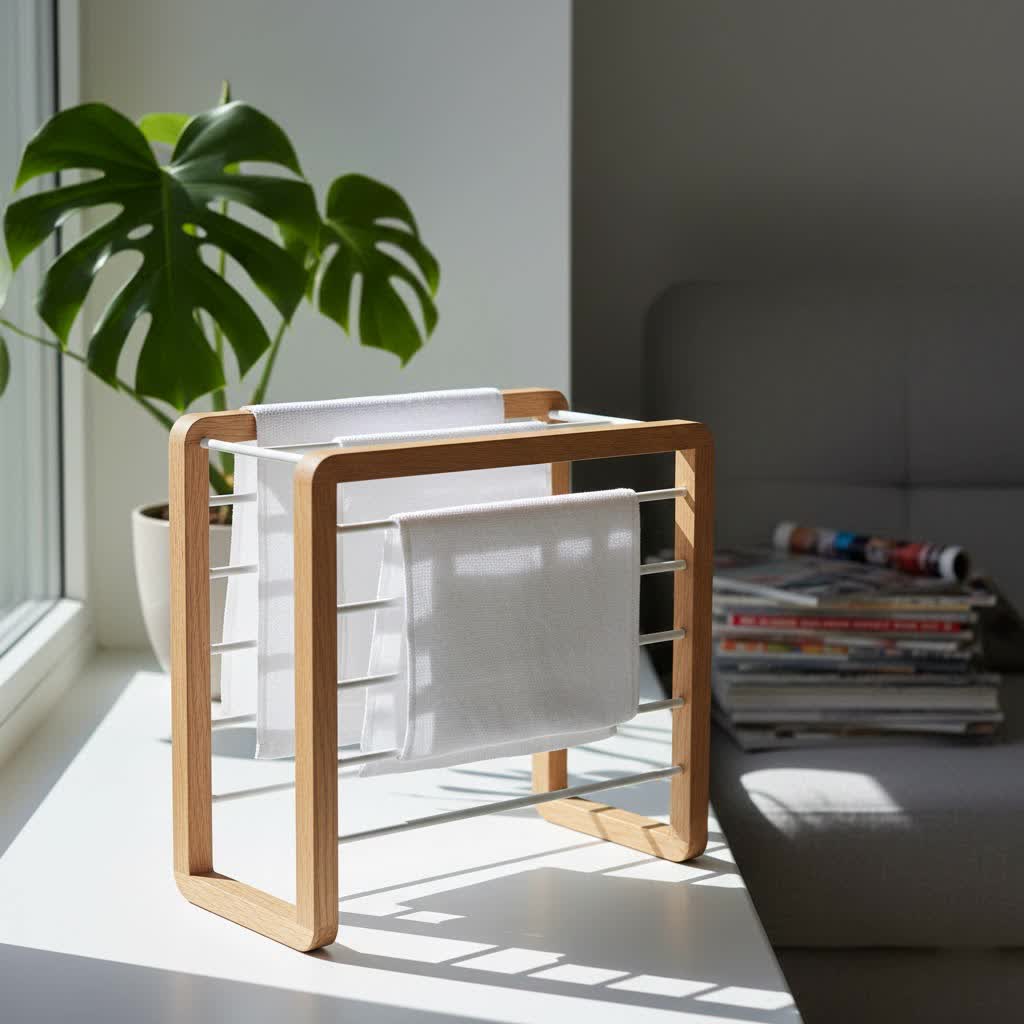
Tired of shrinking sweaters, faded fabrics, and skyrocketing energy bills? Welcome to the world of clothes drying racks, a simple yet revolutionary solution for achieving perfectly air-dried laundry. Whether you’re an eco-conscious homeowner, a fabric care enthusiast, or simply looking to optimize your laundry routine in a compact living space, understanding the diverse range of drying racks available can transform your laundry day from a chore into a seamless, sustainable process.
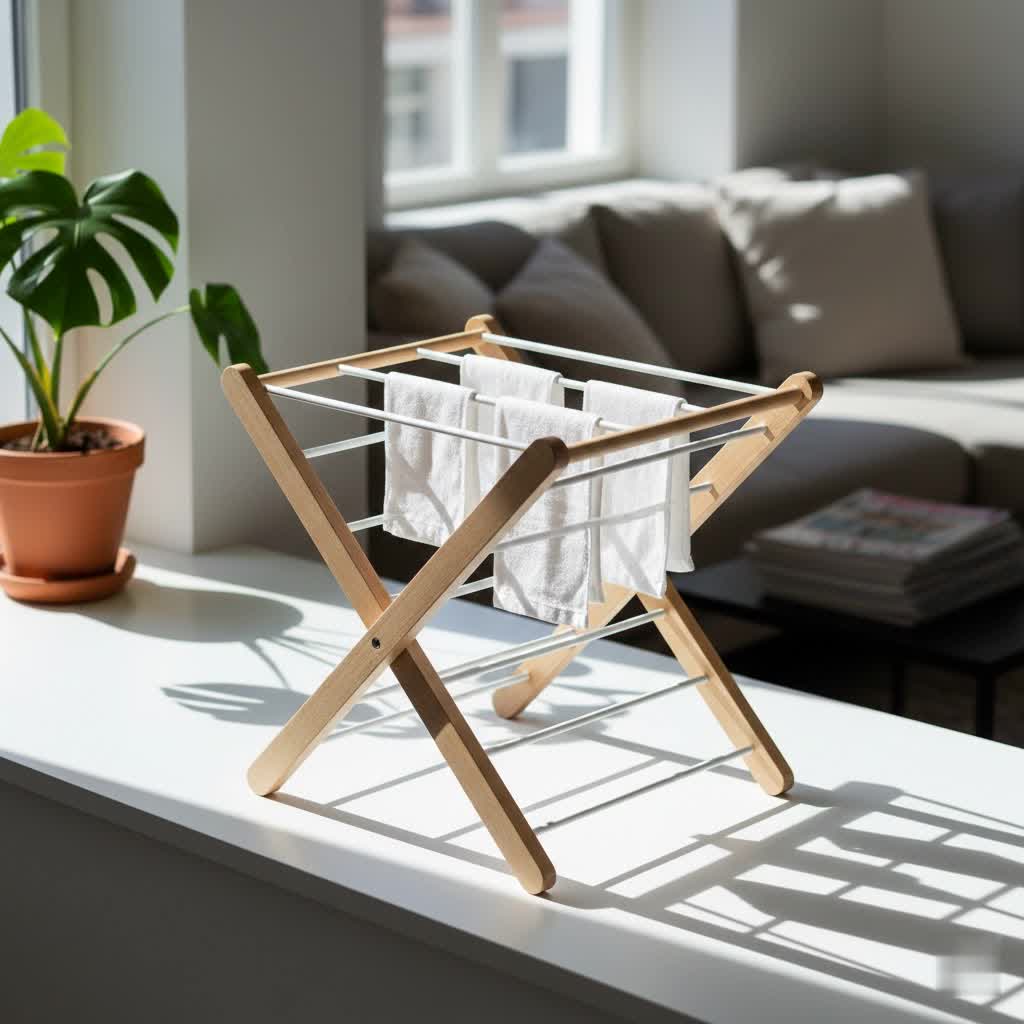
Overview of Clothes Drying Racks
A clothes drying rack, often called a clothes airer or drying stand, is a fundamental piece of laundry equipment designed to air-dry garments by evaporation. Eschewing the energy demands of a traditional tumble dryer, these racks offer a gentle, low-tech alternative, preserving fabric integrity and reducing your environmental footprint.
The concept of air-drying clothes is ancient, with early forms including lines stretched between posts or simple wooden frames placed near heat sources. Over time, these basic designs evolved into the diverse, functional models we see today, driven by innovation in materials and an increasing need for space-saving solutions. From traditional foldable designs to advanced wall-mounted and heated options, modern drying racks cater to every conceivable household and lifestyle.
Popular Types of Clothes Drying Racks on the Market
The market boasts an impressive array of clothes drying racks, each with unique features tailored to specific drying needs and living situations. Selecting the right one depends heavily on your available space, laundry volume, and desired convenience.
Clothes Drying Racks (General Categories)
Here are the main categories of clothes drying racks you’ll encounter:
-
Freestanding/Portable Racks: These are perhaps the most common and versatile drying solutions, designed for flexibility and ease of movement.
- Gullwing Racks: Resembling an airplane with two hinged wings that extend outwards, these offer significant drying space for larger items like towels and bedding, often including a flat mesh shelf for delicate garments like sweaters. They typically fold down for compact storage.
- Accordion Racks: Characterized by horizontal bars that expand like an accordion, these racks are excellent for smaller spaces due to their narrow profile when extended. They are usually lightweight and easy to fold.
- Tripod Racks: These vertical racks feature multiple arms radiating from a central pole, ideal for hanging clothes on hangers. They are excellent for reducing wrinkles and maximizing vertical space in smaller rooms.
- Tower Racks: Stacked vertically with multiple tiers of drying bars, tower racks are perfect for maximizing drying capacity in a small footprint, making them suitable for apartments or tight laundry rooms.
Common materials for freestanding racks include coated steel and aluminum for durability and rust resistance, and sometimes wood or plastic for lighter loads or specific aesthetics.
-
Wall-Mounted Racks: For those seeking a permanent, out-of-the-way drying solution, wall-mounted racks are an excellent choice.
- Retractable Racks: These feature multiple lines that extend from a wall-mounted unit and retract when not in use, offering flexible drying space only when needed. They are perfect for balconies, bathrooms, or laundry rooms where floor space is precious.
- Fold-Out Racks: Consisting of a solid frame with several bars that fold flat against the wall, these provide sturdy drying space and then disappear when laundry is done. They are often made from metal or wood for enhanced durability.
-
Ceiling-Mounted Racks: Ceiling-mounted racks leverage overhead space, keeping laundry completely out of the way.
- Pulley Systems: Traditional ceiling airers use a pulley mechanism to lower the rack for loading and then hoist it back up to the ceiling, allowing clothes to dry naturally with warm air rising.
- Electric/Manual Systems: Modern ceiling racks can be electrically powered, sometimes including heating elements or fans to accelerate drying, or manually operated for simple raising and lowering.
These are typically constructed from metal (like stainless steel or aluminum) or wood, chosen for their strength and longevity.
-
Specialized Racks: Beyond the main categories, several specialized drying racks cater to specific items or enhance convenience. These include compact over-the-door racks for small items, flat mesh sweater drying racks to prevent stretching, dedicated shoe dryers, and heated clothes airers that offer faster drying, especially in humid or cold conditions, by gently warming the air.
|
Our Picks for the Best Drying Rack in 2026
We may earn a commission when you use one of our links to make a purchase.
|
||
| Num | Product | Action |
|---|---|---|
| 1 | Drying Rack Clothing, 3-Tier Clothes Drying Rack Foldable, Antirust Laundry Drying Rack Collapsible Use for Indoor & Outdoor, 11.8" D x 34.6" W x 35.4" H, White |

|
| 2 | Foldable Drying Rack Clothing, 3-Tier Portable Clothes Drying Racks for Indoor & Outdoor, Anti-Rust Compact Laundry Rack Collapsible, White 28" D x 10" W x 35" H |
|
| 3 | Clothes Drying Rack Tripod,Drying Rack Clothing,Laundry Drying Rack,Floor Standing,16 Wooden Poles,Collapsible Drying Racks for Laundry,Retractable,Foldable,Folding |
|
| 4 | Honey-Can-Do Collapsible Clothes Drying Rack – Durable, Space-Saving Laundry & Towel Rack, Sturdy Clothing Rack for Hanging Clothes Indoors & Outdoors, Steel |
|
| 5 | Honey-Can-Do Collapsible Laundry Drying Rack, Sturdy Steel, Foldable & Portable Clothes Drying Rack, Space-Saving Design, Indoor & Outdoor Drying, Ideal for Laundry Room 50lb Capacity, Silver |
|
| 6 | Whitmor Folding Drying Rack, White |
|
| 7 | HOMIDEC Clothes Drying Rack, Oversized 4-Tier(67.7" High) Foldable Stainless Steel Drying Rack Clothing, Movable Drying Rack with 4 castors, 24 Drying Poles and 14 Hooks for Bed Linen, Clothing, Grey |
|
| 8 | Honey-Can-Do Collapsible Bamboo Drying Rack – Sturdy & Foldable Laundry Drying Rack, Space-Saving & Portable Clothes Rack for Air-Drying Clothes, Towels, Blankets & Delicates, Indoor & Outdoor Use. |
|
| 9 | JASIWAY Dish Drying Rack in Sink, Expandable Stainless Steel Dish Drainers for Kitchen Counter, Dish Dryer Rack for Inside Sink, Over The Sink Dish Racks with Utensil Holder, Silver |
|
| 10 | 2026 Enhanced Clothes Drying Rack - Foldable Drying Rack Clothing for Laundry - Small Collapsible Portable Dryers for Laundry - Use for Indoor & Outdoor - White 37.5"x29"x12" |
|
Comparison Table of Clothes Drying Racks
To help you navigate the options, here’s a detailed comparison of common clothes drying rack types:
| Type of Rack | Material (Common) | Size/Capacity (General) | Portability | Pros | Cons | Best for |
|---|---|---|---|---|---|---|
| Gullwing | Steel, Aluminum | Medium to Large (40-60 linear feet) | High | Versatile, good for large items, often includes flat-drying mesh, folds compactly. | Can take up significant floor space when open, may not be ideal for very heavy loads without good stability. | Families, diverse laundry loads, those needing flat-drying space. |
| Accordion | Steel, Aluminum, Wood | Small to Medium (15-30 linear feet) | High | Very space-efficient, slim profile, lightweight, easy to store. | Limited capacity for very large items, can be less sturdy with heavy loads. | Small apartments, delicates, light loads. |
| Tripod | Steel, Plastic | Medium (approx. 20-30 hanger slots) | High | Excellent for hanging shirts/dresses to prevent wrinkles, good for vertical space utilization. | Limited capacity for items not on hangers, can be less stable with unevenly distributed heavy items. | Business attire, delicate blouses, maximizing hanging space. |
| Tower | Steel, Plastic | Medium to Large (30-80 linear feet) | Medium | Maximizes vertical drying space, often on wheels for mobility, good for smaller footprints. | Can be cumbersome to move when fully loaded, some models may lack stability. | Small spaces with high laundry volume, towels, underwear. |
| Wall-Mounted | Metal, Wood | Variable (retractable lines or fixed) | Low (fixed) | Saves floor space, discreet when folded, robust for heavier items if well-installed. | Permanent installation required, not easily moved, capacity limited by design. | Laundry rooms, bathrooms, balconies, maximizing floor space. |
| Ceiling-Mounted | Metal, Wood | Large (long lines) | Low (fixed) | Utilizes overhead space, out of the way, can use rising warm air for efficient drying. | Installation can be complex, less accessible for some users, may require reaching. | Homes with high ceilings, dedicated laundry areas, energy-efficient drying. |
| Heated Airer | Aluminum, Steel | Medium to Large | Medium | Speeds up drying, especially in damp conditions, gentle on fabrics, energy-efficient compared to dryers. | Higher initial cost, requires electricity, may increase indoor humidity (dehumidifier recommended). | Humid climates, faster drying for delicates, reducing tumble dryer use. |
Guide to Choosing the Right Clothes Drying Rack (Buying Guide)
Choosing the ideal clothes drying rack involves a thoughtful assessment of your specific requirements and living environment. With so many options, a clear decision-making process is essential.
Assess Your Drying Needs
Start by understanding your laundry habits. What types of clothes do you typically air-dry? Delicates, large bedding, or everyday wear? How much laundry do you do in a week? Knowing your average load size and frequency will help determine the necessary capacity and style of rack. If you frequently dry large items, a gullwing or large tower rack might be suitable. For a few delicate garments, a compact accordion or over-the-door model could suffice.
Consider Your Space
Your living space is a critical factor. Do you have a dedicated laundry room, a small apartment balcony, or need an indoor solution for rainy days?
- Small Apartments/Limited Space: Opt for foldable, retractable, or vertical tower designs that can be stored away easily. Wall-mounted or over-the-door racks save valuable floor space.
- Larger Homes/Outdoor Access: Rotary clotheslines or larger freestanding racks like gullwings can handle substantial loads and benefit from natural sunlight and airflow.
- Humid Environments: Consider racks that promote good airflow and perhaps a heated airer in conjunction with a dehumidifier to prevent mildew.
Material Matters
The material of your drying rack impacts its durability, rust resistance, and aesthetic appeal.
- Stainless Steel: Highly durable, rust-resistant, and supports heavy loads. Excellent for both indoor and outdoor use.
- Aluminum: Lightweight, rust-proof, and good for portable or travel-friendly options. It may not be as robust as steel for very heavy items.
- Wood (Bamboo, Teak): Offers a natural, aesthetically pleasing look, ideal for indoor use. Bamboo is known for moisture resistance. Wooden racks often require specific care to prevent warping or mold. Ensure dowels are vinyl-coated to protect clothes.
- Plastic: Affordable, lightweight, and rust-resistant. However, it may be less durable than metal or wood, especially with heavy loads or prolonged sun exposure.
Prioritize materials that are easy to clean and won’t snag or transfer color to wet fabrics.
Design and Features
Look for design elements and additional features that enhance usability:
- Foldability/Collapsibility: Essential for easy storage in smaller homes.
- Adjustability: Racks with adjustable height or wing angles offer versatility for different garment lengths and types.
- Specialized Drying Surfaces: Mesh shelves are ideal for flat-drying sweaters to prevent stretching. Hanger slots or garment bars are great for shirts and blouses to minimize wrinkles.
- Mobility: Wheels on freestanding racks allow for easy movement between rooms or from indoors to outdoors.
Brand and Price
While it’s tempting to opt for the cheapest option, investing in a reputable brand often means better quality, durability, and customer support. Compare prices and read reviews, but also consider the long-term value, including how well the rack holds up to frequent use and heavy loads. Brands like Brabantia and Honey-Can-Do often receive high marks for stability and thoughtful design.
Tips for Using and Maintaining Your Clothes Drying Rack
Maximizing the efficiency and lifespan of your clothes drying rack involves a few simple yet effective practices.
Effective Usage Tips
- Pre-Spin Laundry: Always run your laundry through an extra spin cycle in the washing machine to remove as much excess water as possible. This significantly speeds up drying time and prevents dripping.
- Shake Out Clothes: Before hanging, give each item a good shake to smooth out wrinkles and promote better airflow.
- Strategic Hanging:
- Space is Key: Ensure adequate space between garments to allow air to circulate freely. Overlapping clothes traps moisture and prolongs drying.
- Use Hangers: Hang shirts, blouses, and dresses directly on hangers to maintain their shape and reduce ironing.
- Flat Dry Delicates: For woolens, silks, and other delicate items prone to stretching, lay them flat on a mesh drying surface or a clean towel.
- Alternate Directions: If drying long items, alternate which end is draped over the bar to prevent uneven drying and kinks.
- Ventilation: When drying indoors, ensure the area is well-ventilated to prevent moisture buildup, which can lead to mold and a musty smell. Open windows, use a fan, or place the rack in a room with a dehumidifier.
- Leverage Natural Elements: For outdoor drying, sunlight can naturally disinfect and brighten whites. However, dry dark or brightly colored clothes in the shade to prevent fading.
Cleaning and Maintenance
Regular care extends the life of your drying rack and keeps your clothes fresh and clean.
- Wipe Down Regularly: After each use, especially if drying heavily soiled items, give your rack a quick wipe with a damp cloth to remove lint, dust, and detergent residue.
- Deep Clean Periodically:
- Metal Racks: Clean with warm water and mild dish soap. Dry thoroughly immediately after cleaning to prevent rust. For existing rust spots, a baking soda paste can be gently scrubbed on, followed by rinsing and drying.
- Wooden Racks: Wipe gently with a damp cloth and mild soap. Avoid soaking, as water can warp the wood. Consider applying a wood polish or wax periodically. Ensure rungs are completely dry between loads to prevent mold. Lightly sand fuzzy rungs if they appear.
- Plastic Racks: Easy to clean with soap and water. Ensure they are dried thoroughly.
- Tighten Hardware: Periodically check and tighten any screws, bolts, or joints, especially on folding or wall-mounted models, to maintain stability.
- Proper Storage: When not in use, store your drying rack in a dry, well-ventilated area. Folding racks should be collapsed and stored neatly to prevent stress on joints.
Common Mistakes to Avoid:
- Overloading: Exceeding the rack’s weight capacity can lead to bending, structural damage, or instability.
- Poor Placement (Heated Airers): Placing a heated airer in a very large, uninsulated room can be unproductive as heat rises away from clothes, extending drying times. Small, well-insulated rooms are best.
- Ignoring Mold/Rust: Left unchecked, mold and rust can spread to clothes, leaving stains or odors. Address these issues promptly.
Conclusion
Embracing a clothes drying rack in your home is a smart, sustainable decision that offers a wealth of benefits beyond just dry clothes. From preserving the life and vibrancy of your garments to significantly reducing energy consumption and utility bills, these versatile tools empower you to take control of your laundry routine. By understanding the different types available, making an informed choice based on your needs, and following simple usage and maintenance tips, your clothes drying rack will serve as a reliable, eco-friendly cornerstone of your household for years to come.
What kind of laundry transformation are you hoping to achieve with your next clothes drying rack?
Frequently Asked Questions
What is the primary benefit of using a clothes drying rack over a tumble dryer?
The primary benefit is significant energy savings and reduced utility bills, as drying racks require no electricity to operate. Additionally, air drying is much gentler on fabrics, preventing shrinkage, fading, and wear, thereby extending the lifespan of your clothes.
Can clothes drying racks be used outdoors?
Yes, many clothes drying racks are designed for both indoor and outdoor use. For outdoor use, consider models made from weather-resistant materials like stainless steel or aluminum to prevent rust. Ensure good airflow and be mindful of direct sunlight for colored garments to prevent fading.
How do I prevent mold or rust on my clothes drying rack?
To prevent mold and rust, always ensure your drying rack is completely dry before storing it. For metal racks, wipe them down thoroughly after use and consider models with rust-resistant coatings. For all types, store in a dry, well-ventilated area, and clean regularly with mild soap and water.