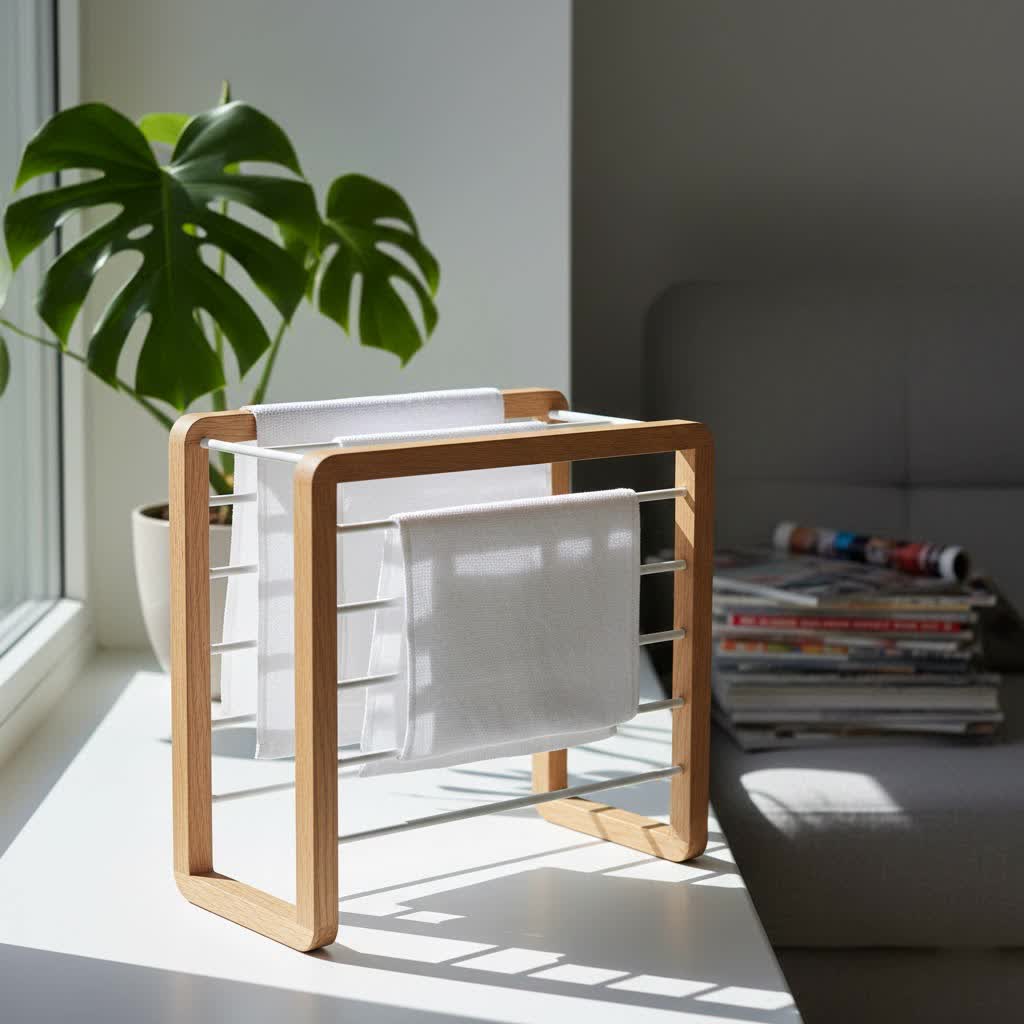
Tired of shrinking your favorite clothes or battling for space on laundry day? A reliable drying rack is more than just a convenience; it’s an essential home appliance that transforms your laundry routine, offering a gentle, energy-efficient, and space-saving alternative to traditional dryers. From delicate garments to everyday essentials, the right drying rack can revolutionize how you care for your clothes and dishes, ensuring they last longer and look their best. This comprehensive guide will help you navigate the world of drying racks, empowering you to choose the ideal solution for your home and lifestyle.
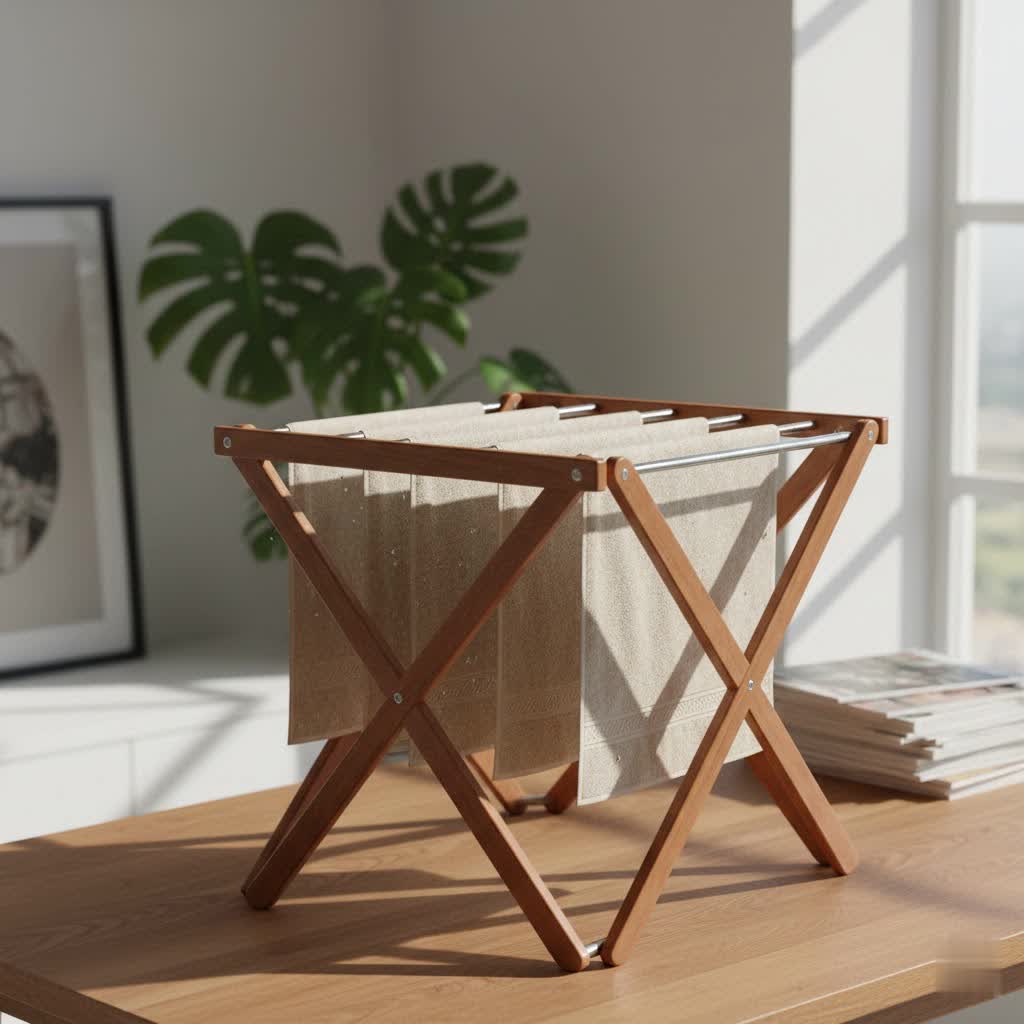
Overview of Drying Racks
A drying rack is a versatile household item designed to air-dry various wet items, from freshly washed clothes and delicate garments to kitchenware. Its primary purpose is to allow items to dry naturally, promoting air circulation and preventing the wear and tear often associated with machine dryers. This not only conserves energy and reduces utility bills but also helps maintain the quality and extend the lifespan of your fabrics.
The concept of air-drying is as old as laundry itself, evolving from simple clotheslines strung between posts to today’s sophisticated, multi-functional designs. Modern drying racks cater to diverse needs and spaces, offering an array of solutions that blend practicality with innovative engineering. Whether you live in a compact apartment, a bustling family home, or simply wish to embrace a more sustainable lifestyle, there’s a drying rack tailored for you.
Popular Types of Drying Racks on the Market
The market offers a wide variety of drying racks, each designed with specific functionalities and space considerations in mind. Understanding the different types is key to selecting one that perfectly fits your household’s demands.
Clothes Drying Racks
Clothes drying racks are the most common category, featuring diverse designs to handle everything from bulky towels to delicate lingerie.
- Accordion Racks: These classic racks feature a collapsible, multi-tiered design with multiple rods. They boast a small footprint when folded and are lightweight, making them easy to store. While excellent for a decent amount of laundry, they might tilt if overloaded with very heavy items. Many models come with vinyl-coated dowels that provide a grippy, non-slip surface, preventing smaller items from falling.
- Gullwing Racks (Winged Dryers): Characterized by an A-framed base with two adjustable “wings” that fold out, gullwing racks offer significant drying space. They are often made from sturdy steel and can accommodate heavier loads, typically up to 50 pounds, making them ideal for families or large batches of laundry. Many include a flat drying surface between the legs and sometimes even shoe drying racks, enhancing their versatility.
- Tiered/Tower Racks: Designed to maximize vertical space, these racks stand tall with multiple levels or tiers. They are particularly suitable for small apartments or limited floor areas. Some tiered racks feature mesh shelving, which is excellent for laying delicate items flat to prevent stretching or warping during drying.
- Over-the-Door & Wall-Mounted Racks: These space-saving solutions attach directly to a wall or hang over a door, freeing up precious floor space. Wall-mounted versions can be retractable, folding away when not in use, while over-the-door models offer quick setup without installation. They are perfect for drying towels, swimsuits, or smaller garments, though their capacity is generally limited compared to freestanding options.
- Outdoor/Rotary Dryers: For those with outdoor space, rotary dryers (often umbrella-shaped or T-pole designs) harness natural elements like sun and wind for fast, eco-friendly drying. They are typically made from durable, outdoor-rated materials like alloy steel and plastic, and can handle large loads, including bedding. Many models feature adjustable heights and can be stored away seasonally with ground spike caps to prevent hazards.
- Mesh Sweater Racks: Specifically designed for items that require flat drying, such as sweaters, knits, and delicate activewear. These racks typically feature a taut mesh surface over a lightweight frame (often plastic), preventing garments from stretching or losing shape. They are often stackable, allowing you to dry multiple items in a compact area.
|
Our Picks for the Best Drying Rack in 2026
We may earn a commission when you use one of our links to make a purchase.
|
||
| Num | Product | Action |
|---|---|---|
| 1 | Honey-Can-Do Collapsible Laundry Drying Rack, Sturdy Steel, Foldable & Portable Clothes Drying Rack, Space-Saving Design, Indoor & Outdoor Drying, Ideal for Laundry Room 50lb Capacity, Silver |

|
| 2 | Honey-Can-Do Collapsible Clothes Drying Rack – Durable, Space-Saving Laundry & Towel Rack, Sturdy Clothing Rack for Hanging Clothes Indoors & Outdoors, Steel |
|
| 3 | Clothes Drying Rack Tripod,Drying Rack Clothing,Laundry Drying Rack,Floor Standing,16 Wooden Poles,Collapsible Drying Racks for Laundry,Retractable,Foldable,Folding |
|
| 4 | Foldable Drying Rack Clothing, 3-Tier Portable Clothes Drying Racks for Indoor & Outdoor, Anti-Rust Compact Laundry Rack Collapsible, White 28" D x 10" W x 35" H |
|
| 5 | HOMIDEC Clothes Drying Rack, Oversized 4-Tier(67.7" High) Foldable Stainless Steel Drying Rack Clothing, Movable Drying Rack with 4 castors, 24 Drying Poles and 14 Hooks for Bed Linen, Clothing, Grey |
|
| 6 | Whitmor Folding Drying Rack, White |
|
| 7 | JASIWAY Dish Drying Rack in Sink, Expandable Stainless Steel Dish Drainers for Kitchen Counter, Dish Dryer Rack for Inside Sink, Over The Sink Dish Racks with Utensil Holder, Silver |
|
| 8 | 2026 Enhanced Clothes Drying Rack - Foldable Drying Rack Clothing for Laundry - Small Collapsible Portable Dryers for Laundry - Use for Indoor & Outdoor - White 37.5"x29"x12" |
|
| 9 | Honey-Can-Do Collapsible Bamboo Drying Rack – Sturdy & Foldable Laundry Drying Rack, Space-Saving & Portable Clothes Rack for Air-Drying Clothes, Towels, Blankets & Delicates, Indoor & Outdoor Use. |
|
| 10 | Drying Rack Clothing, 3-Tier Clothes Drying Rack Foldable, Antirust Laundry Drying Rack Collapsible Use for Indoor & Outdoor, 11.8" D x 34.6" W x 35.4" H, White |
|
Dish Drying Racks
Beyond clothes, drying racks are indispensable in the kitchen for air-drying dishes and utensils.
- Types: Dish drying racks come in various configurations, including single or multi-tiered designs, often equipped with a drain board underneath to collect excess water, utensil holders, and cup hooks. Roll-up silicone mats are also popular for drying smaller loads directly over the sink.
- Materials: Common materials include stainless steel (durable, rust-resistant, sleek), aluminum (lighter, rust-proof, but may show water spots), bamboo (natural aesthetic, eco-friendly, but requires regular drying to prevent mold), and plastic (lightweight, affordable, but less durable and can warp over time). Silicone or vinyl-coated options are gentle on glassware and quieter.
- Cleaning and Maintenance: Regardless of material, regular cleaning (ideally weekly) is essential to prevent grime, mildew, and mineral buildup. Wiping them dry after use, especially bamboo, helps prolong their life and maintain hygiene.
Multi-purpose Drying Racks
Many modern drying racks combine features to offer enhanced utility. These racks might include integrated shoe holders, specialized clip attachments for small items like socks, or adjustable sections that can convert from garment drying to flat drying surfaces. Their intelligent designs aim to provide maximum utility within a compact footprint, catering to diverse household drying needs.
Comparison Table of Drying Rack Types
| Type | Material | Size/Capacity (Typical) | Load Capacity (Approx.) | Pros | Cons | Best For |
|---|---|---|---|---|---|---|
| Accordion | Wood, Stainless Steel, Plastic | Medium, Multi-tiered | 15-25 lbs (10-15 items) | Collapsible, lightweight, versatile | Can be flimsy with heavy loads, wood may snag | Everyday laundry, delicates, apartments, RVs |
| Gullwing | Steel, Alloy Steel | Large, Winged (A-frame) | 30-50 lbs (20-30 items) | High capacity, sturdy, often with shoe racks | Larger footprint, not ideal for very small spaces | Families, heavy loads, bedding, mixed laundry |
| Tiered/Tower | Steel, Plastic, Mesh | Tall, narrow, multi-level | 10-20 lbs (10-15 items) | Space-saving (vertical), mesh for delicates | Can be less stable when fully loaded, not for very long items | Small spaces, apartments, delicates, sweaters |
| Over-the-Door | Metal, Plastic | Compact, hangs over door | 5-10 lbs (3-5 items) | No floor space, easy to install | Limited capacity, only for shorter items | Bathrooms, small garments, towels, swimwear |
| Wall-Mounted | Metal, Wood, Plastic | Compact, retractable | 5-15 lbs (3-10 items) | Permanent yet collapsible, saves space | Requires installation, limited mobility | Dedicated laundry rooms, small batches, permanent fixture |
| Outdoor/Rotary | Alloy Steel, Plastic | Very Large, Freestanding/Fixed | 40-60 lbs (25-40 items) | Uses natural elements, very high capacity | Requires outdoor space, assembly for fixed types | Large families, bedding, eco-conscious drying, good weather conditions |
| Mesh Sweater | Mesh, Plastic Frame | Flat, stackable | 1-2 items | Prevents stretching, ideal for delicates | Single purpose, limited capacity | Sweaters, knits, delicates requiring flat drying |
| Dish Rack | Stainless Steel, Bamboo, Plastic | Countertop/Over-sink | Varies by design | Keeps kitchen tidy, hygienic | Bamboo needs maintenance, plastic less durable | Air-drying dishes, glasses, utensils |
Buying Guide: How to Choose the Right Drying Rack
Selecting the perfect drying rack requires a thoughtful assessment of your specific needs, space constraints, and preferences. Consider these key factors before making your purchase:
Assess Your Usage Needs
Start by determining what you primarily need your drying rack for:
- What will you dry? Consider if it’s mostly clothes, delicates, heavy towels, shoes, or dishes. Specific items like sweaters benefit from flat mesh surfaces to prevent stretching, while long items like sheets require ample linear drying space or adjustable height.
- How much laundry do you do? A small, collapsible rack might suffice for occasional delicates, but a large family doing multiple loads might need a heavy-duty gullwing rack or an outdoor rotary dryer with significant linear feet of drying space.
- Where will you use it? Identify your available space – a small apartment balcony, a dedicated laundry room, a compact bathroom, or an outdoor garden. This will dictate whether you need a freestanding, wall-mounted, over-the-door, or outdoor model.
Choose the Right Material
The material of your drying rack significantly impacts its durability, longevity, and suitability for different environments.
- Stainless Steel: Known for its durability and rust-resistance, making it excellent for both indoor and outdoor use. It’s sturdy and easy to clean, offering a modern aesthetic.
- Aluminum: Lighter than stainless steel and naturally rust-proof, though some coatings may show wear over time. It’s a good choice for portability.
- Wood/Bamboo: Offers a natural, aesthetic appeal. Sustainably sourced bamboo is eco-friendly. However, these materials require more maintenance; they need to be wiped dry regularly to prevent mold, warping, or rotting, especially in humid conditions. Look for waterproof coatings.
- Plastic: The most lightweight and affordable option, making it highly portable. However, plastic racks are generally less durable, prone to warping, cracking, or discoloration from sunlight or heavy loads. For dish racks, ensure it’s BPA-free and food-safe.
- Coated Metals: Many metal racks feature vinyl or other plastic coatings on their dowels. These coatings make the bars gentler on fabrics, prevent snagging, and reduce slipperiness, ensuring clothes stay put.
Consider Size and Load Capacity
The dimensions of the rack (both open and folded) and its ability to hold weight are crucial.
- Size: Measure your designated drying area to ensure the rack fits comfortably without obstructing movement. For small spaces, consider vertical designs like tower racks or those that fold compactly.
- Load Capacity: Check the manufacturer’s specified weight capacity. An overloaded rack can sag, wobble, or even collapse. If you frequently wash heavy items like jeans or bath towels, opt for a heavy-duty steel rack that can support 30-50 pounds.
Design and Features
Modern drying racks come with various features designed to enhance usability and efficiency.
- Foldability and Collapsibility: Essential for easy storage in smaller homes.
- Adjustability: Racks with adjustable height or wing positions offer flexibility for drying different sized garments.
- Specialized Features: Look for mesh shelves for flat-drying delicates, clips for small items like socks, shoe holders, and garment bars for hangers.
- Stability: A sturdy frame with robust joints and hinges is vital, particularly for folding models. Rubberized or anti-slip feet prevent the rack from sliding and protect floors.
- Ventilation: Well-spaced drying bars promote optimal airflow, which is critical for faster and more even drying.
Brand and Price
Investing in a high-quality drying rack can lead to long-term savings by reducing wear on your clothes and energy consumption.
- Reputable Brands: Choose brands known for quality and durability. Check for warranties and customer reviews.
- Budget: While affordable plastic options exist, a slightly higher investment in stainless steel or coated metal often yields a more durable and reliable product that lasts for years. Compare features and quality within your price range.
Tips for Using and Maintaining Your Drying Rack
Maximizing the effectiveness and longevity of your drying rack involves a few simple practices.
- Promote Airflow: To ensure clothes dry quickly and evenly, leave adequate space between items on the rack. Overcrowding inhibits air circulation, leading to longer drying times and potential musty odors. Positioning your rack in a well-ventilated area, near a window, or in a room with an exhaust fan can significantly speed up the process. For outdoor racks, a sunny and breezy spot is ideal.
- Load Distribution: Distribute laundry evenly to maintain the rack’s balance and prevent it from tipping or sagging. Heavier items should be placed on the sturdiest parts of the rack, typically the lower or central bars of a gullwing design.
- Flat Drying for Delicates: Utilize mesh shelves or lay delicate items like sweaters flat across several bars to prevent stretching, distortion, and hanger marks.
- Regular Cleaning: Wipe down your drying rack regularly with a damp cloth to remove dust, lint, and detergent residue. For wooden or bamboo racks, it is crucial to dry them thoroughly after each use, especially in humid environments, to prevent mold and mildew growth. Occasional oiling can help protect wooden surfaces. Metal racks with chipped coatings should be addressed to prevent rust.
- Smart Storage: When not in use, fold and store your rack in a dry, accessible location. Collapsible or wall-mounted designs are excellent for maximizing space in smaller homes.
Common Mistakes to Avoid:
- Overloading: Exceeding the weight capacity can damage the rack and lead to clothes falling.
- Ignoring Material-Specific Care: Treating a bamboo rack like a stainless steel one can lead to mold or warping.
- Poor Placement: Placing a rack in a poorly ventilated area will dramatically slow drying.
Conclusion
Choosing the perfect drying rack is a small decision that can make a big impact on your household efficiency, environmental footprint, and the lifespan of your cherished items. By understanding the diverse types, materials, and essential features available, you can confidently select a rack that aligns with your specific needs and living space. Embracing air-drying not only saves energy but also offers a gentle touch that machine dryers cannot replicate, preserving your garments and keeping your kitchenware sparkling. With the right drying rack, laundry day can transform from a chore into a seamless and satisfying part of your home routine.
What kind of drying rack will best serve your home and simplify your laundry days?
Câu Hỏi Thường Gặp
What are the main benefits of using a drying rack instead of a machine dryer?
Using a drying rack offers numerous advantages, including significant energy savings and reduced electricity bills. It’s an eco-friendly choice that lowers your carbon footprint. Additionally, air-drying is gentler on clothes, preventing shrinkage, fading, and the wear and tear caused by high heat, thus extending the life of your garments.
Which material is generally considered the best for a durable drying rack?
Stainless steel is widely regarded as one of the most durable and long-lasting materials for drying racks. It is highly resistant to rust, sturdy enough to support heavy loads, and easy to clean, making it a reliable choice for both indoor and outdoor use.
How can I make my clothes dry faster on a drying rack?
To speed up drying, ensure proper air circulation by leaving ample space between items on the rack. Position the rack in a well-ventilated area, near an open window, or in a room with good airflow. If possible and suitable for your rack, placing it in a sunny spot outdoors can significantly accelerate the drying process.
Can drying racks be used for items other than clothes?
Absolutely. While commonly associated with laundry, many drying racks are versatile. Mesh racks are excellent for flat-drying delicate sweaters, preventing stretching. Certain clothes racks include dedicated shoe holders. Moreover, specialized dish drying racks are essential kitchen tools for air-drying plates, glasses, and utensils hygienically.
How do I prevent mold and mildew on my wooden or bamboo drying rack?
To prevent mold and mildew on wooden or bamboo drying racks, it’s crucial to wipe them thoroughly dry after each use. Store them in a well-ventilated area to allow complete air drying. Regularly applying a food-safe oil (for bamboo) can also help seal the surface, providing additional protection against moisture absorption and mold growth.