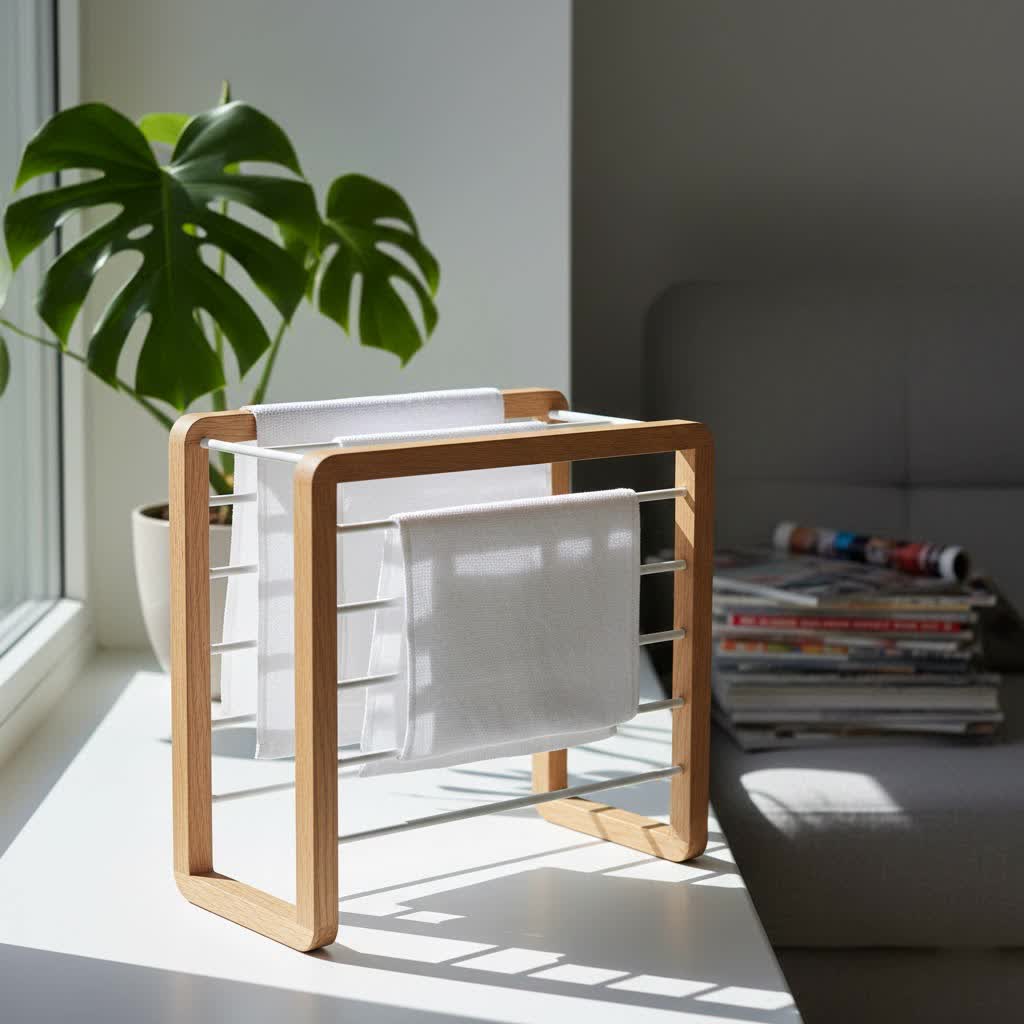
The never-ending cycle of laundry is a universal chore, often compounded by limited space and the desire for eco-friendly, gentle garment care. If you’ve ever wrestled with bulky traditional drying racks or longed for a more efficient way to air-dry your clothes, a Collapsible Drying Rack is your answer. These innovative solutions offer unparalleled convenience, transforming your laundry routine and reclaiming valuable space. This comprehensive guide will explore the world of collapsible drying racks, detailing their types, benefits, essential buying considerations, and tips for maximizing their use.
An Overview of Collapsible Drying Racks
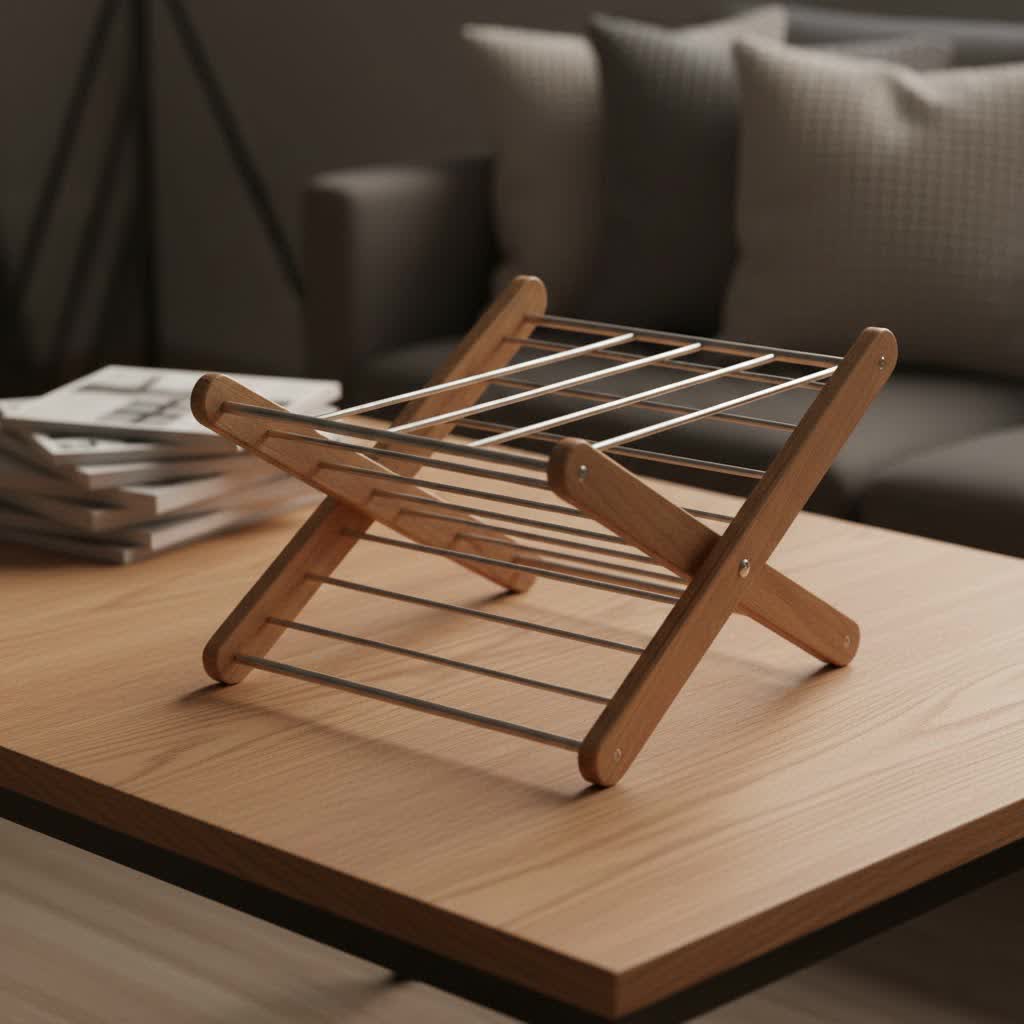
A drying rack, at its core, is a simple yet effective device designed to air-dry freshly washed laundry, offering an alternative to energy-intensive tumble dryers. Collapsible drying racks take this concept further by incorporating a folding or retracting mechanism, allowing them to be easily stored away when not in use. This design makes them particularly appealing for apartments, small homes, or anyone seeking to minimize clutter.
Historically, clotheslines were the primary method for air-drying garments. While still used, modern living often demands more compact and versatile solutions. The evolution of drying racks has moved from basic, rigid frames to sophisticated, multi-functional designs that can adapt to various spaces and laundry needs. Today’s collapsible racks are engineered for portability, durability, and efficiency, providing an eco-conscious way to care for your clothes while saving on energy bills.
The popularity of collapsible drying racks stems from their ability to offer significant advantages over both traditional clotheslines and electric dryers. They prevent fabric damage caused by high heat, extend the life of your garments, and allow clothes to dry with a fresh, natural scent. Their diverse designs cater to specific requirements, whether you need to dry a full load of laundry, delicate sweaters, or even small kitchen items.
Popular Collapsible Drying Rack Types
The market offers a wide array of collapsible drying racks, each with unique features designed to meet different preferences and living situations. Understanding these variations is key to finding your perfect match.
Collapsible Clothes Drying Racks
These are the most common type, engineered to handle a variety of garments from shirts and trousers to socks and underwear.
-
Gullwing Drying Racks: Often resembling an inverted “W” or “M” shape, gullwing racks feature two large, hinged wings that can be adjusted to different angles.
- Pros: They offer substantial drying space, often including flat surfaces for delicate items and multiple hanging bars for various garment lengths. Many designs also incorporate shoe holders or clips for small items. Their adjustable wings allow for flexibility in how you use the space.
- Cons: Even when folded, some gullwing models can still be somewhat bulky. While sturdy, extremely heavy loads might test their stability if not evenly distributed.
- Materials: Typically made from coated steel or aluminum for a balance of strength and rust resistance.
- Buying Tip: Look for models with smoothly operating hinges and a robust locking mechanism for stability.
-
Accordion Drying Racks (Freestanding & Wall-Mounted): These racks expand like an accordion, with multiple parallel bars.
- Freestanding Accordion Racks: Portable and easy to set up anywhere.
- Pros: Highly compact when folded, ideal for smaller loads or as a supplementary drying solution.
- Cons: Can be less stable than gullwing racks and may not accommodate very long items without touching the floor.
- Wall-Mounted Accordion Racks: Permanently affixed to a wall, they pull out when needed and fold flat against the wall when not in use.
- Pros: Excellent for saving floor space, providing a permanent yet discreet drying solution. Perfect for laundry rooms, bathrooms, or even outside walls.
- Cons: Requires installation, and the drying capacity is fixed by the rack’s size.
- Materials: Common in wood (often bamboo or treated hardwood) for a classic aesthetic, or stainless steel and plastic for durability and rust resistance.
- Freestanding Accordion Racks: Portable and easy to set up anywhere.
-
Tripod/Tower Drying Racks: These vertical racks stand on a tripod base and extend upwards, often with multiple tiers or arms.
- Pros: They have a small footprint, making them suitable for very tight spaces. Their height is advantageous for hanging longer garments like dresses or towels. Many have arms that can be individually folded.
- Cons: Can be less stable than broader-based racks, especially when heavily loaded or bumped. Capacity per tier might be limited, focusing more on hanging individual items rather than flat-drying large pieces.
- Materials: Often made from lightweight metals like aluminum or plastic to aid portability.
-
Over-the-Door & Hanger Style Racks: Designed to hook over a door or function like a portable clothes hanger.
- Pros: The ultimate space-saver, requiring no floor space. Ideal for drying delicates, a few shirts, or items needing quick air-drying. Highly portable for travel.
- Cons: Very limited capacity. May not fit all door thicknesses and can interfere with door closure.
- Materials: Typically plastic or lightweight metal.
|
Our Picks for the Best Drying Rack in 2026
We may earn a commission when you use one of our links to make a purchase.
|
||
| Num | Product | Action |
|---|---|---|
| 1 | Clothes Drying Rack Tripod,Drying Rack Clothing,Laundry Drying Rack,Floor Standing,16 Wooden Poles,Collapsible Drying Racks for Laundry,Retractable,Foldable,Folding |

|
| 2 | Drying Rack Clothing, 3-Tier Clothes Drying Rack Foldable, Antirust Laundry Drying Rack Collapsible Use for Indoor & Outdoor, 11.8" D x 34.6" W x 35.4" H, White |
|
| 3 | Honey-Can-Do Collapsible Clothes Drying Rack – Durable, Space-Saving Laundry & Towel Rack, Sturdy Clothing Rack for Hanging Clothes Indoors & Outdoors, Steel |
|
| 4 | Whitmor Folding Drying Rack, White |
|
| 5 | HOMIDEC Clothes Drying Rack, Oversized 4-Tier(67.7" High) Foldable Stainless Steel Drying Rack Clothing, Movable Drying Rack with 4 castors, 24 Drying Poles and 14 Hooks for Bed Linen, Clothing, Grey |
|
| 6 | JASIWAY Dish Drying Rack in Sink, Expandable Stainless Steel Dish Drainers for Kitchen Counter, Dish Dryer Rack for Inside Sink, Over The Sink Dish Racks with Utensil Holder, Silver |
|
| 7 | Foldable Drying Rack Clothing, 3-Tier Portable Clothes Drying Racks for Indoor & Outdoor, Anti-Rust Compact Laundry Rack Collapsible, White 28" D x 10" W x 35" H |
|
| 8 | 2026 Enhanced Clothes Drying Rack - Foldable Drying Rack Clothing for Laundry - Small Collapsible Portable Dryers for Laundry - Use for Indoor & Outdoor - White 37.5"x29"x12" |
|
| 9 | Honey-Can-Do Collapsible Laundry Drying Rack, Sturdy Steel, Foldable & Portable Clothes Drying Rack, Space-Saving Design, Indoor & Outdoor Drying, Ideal for Laundry Room 50lb Capacity, Silver |
|
| 10 | Honey-Can-Do Collapsible Bamboo Drying Rack – Sturdy & Foldable Laundry Drying Rack, Space-Saving & Portable Clothes Rack for Air-Drying Clothes, Towels, Blankets & Delicates, Indoor & Outdoor Use. |
|
Specialty Drying Racks
Beyond general clothes drying, some collapsible racks are designed for specific items or multi-purpose use.
-
Mesh Sweater Drying Racks: These feature a flat mesh surface stretched over a frame, specifically designed for drying delicate items like sweaters, lingerie, or activewear.
- Pros: Prevents stretching and distortion of garments, promotes even airflow for faster drying, and many are stackable to maximize vertical space.
- Cons: Limited to flat-drying, not suitable for hanging multiple items.
- Materials: Plastic frames with breathable mesh fabric.
-
Multi-functional Drying Racks: Some advanced collapsible racks integrate features like dedicated shoe holders, clip-on sections for socks and small accessories, or even removable mesh shelves. These designs aim to maximize utility from a single unit.
While the primary focus of “collapsible drying racks” often leans towards laundry, it’s worth noting that smaller, collapsible racks also exist for drying dishes. However, for the purpose of efficient clothes drying, the types listed above are most relevant.
Comparing Collapsible Drying Rack Types
Choosing the right collapsible drying rack depends heavily on your specific needs, available space, and budget. Here’s a comparative overview to help you weigh your options:
| Feature | Gullwing Rack | Freestanding Accordion Rack | Wall-Mounted Accordion Rack | Tripod/Tower Rack | Mesh Sweater Rack |
|---|---|---|---|---|---|
| Material Examples | Coated Steel, Aluminum | Wood (Bamboo, Treated), Stainless Steel, Plastic | Stainless Steel, Aluminum, Wood | Aluminum, Plastic | Plastic Frame, Mesh Fabric |
| Typical Capacity | High (20-30+ linear feet) | Medium (10-20 linear feet) | Medium (10-20 linear feet) | Medium (15-25 linear feet, hanging items) | Low (1-3 items per tier) |
| Folded Dimensions | Moderate to Large, but flat | Very Compact, flat | Ultra Compact (against wall) | Compact (tall, narrow pole) | Very Compact, flat |
| Open Footprint | Large | Small to Medium | Minimal (extends from wall) | Small (vertical) | Small (flat surface) |
| Pros | High capacity, versatile, adjustable, flat drying | Highly compact, good for small loads | Saves floor space, discreet, always accessible | Small footprint, good for long items, portable | Prevents stretching, stackable, fast drying |
| Cons | Can be bulky when open/folded, less stable for uneven loads | Less stable, limited length for long items | Requires installation, fixed capacity | Less stable, mainly for hanging, lower flat space | Single purpose, very low capacity |
| Best For | Families, varied laundry, indoors/outdoors | Small loads, apartments, occasional use | Permanent small spaces, laundry rooms | Small apartments, long items, delicates (hanging) | Sweaters, delicates, items needing flat-drying |
| Price Range | Mid to High | Low to Mid | Mid to High | Low to Mid | Low |
“The ideal drying rack strikes a balance between maximizing drying space and minimizing its footprint when not in use,” notes a leading home organization expert. This balance is crucial for modern households with varying space constraints.
Your Essential Buying Guide for Collapsible Drying Racks
Choosing the perfect collapsible drying rack can feel overwhelming with so many options available. By considering a few key factors, you can narrow down your choices and find a model that truly meets your needs.
Assess Your Drying Needs
Before you even begin looking, take stock of your laundry habits and living situation.
- What types of items do you typically air-dry? Mostly shirts and pants, delicate sweaters, bedding, or small items like socks and underwear? This will dictate the type of hanging space or flat surfaces you need.
- How much laundry do you process at once? A single person drying a few items will need a different capacity than a large family with daily loads. Consider the “linear feet” of drying space, which is the combined length of all the rods.
- Where will you primarily use the rack? Indoors (laundry room, bathroom, living area), outdoors (balcony, patio, garden), or both? This influences material choice and portability.
Material Matters
The material of your drying rack impacts its durability, weight, and suitability for different environments.
- Stainless Steel/Coated Steel: Highly durable, rust-resistant (especially stainless steel), and can support heavy wet loads. Coated steel offers a smoother surface, preventing snags on delicate fabrics. Ideal for both indoor and outdoor use.
- Aluminum: Lightweight and rust-resistant, making it excellent for portability. It’s strong but generally less heavy-duty than steel.
- Wood (Bamboo, Treated Hardwood): Offers an aesthetic appeal and can be very sturdy. Bamboo is often eco-friendly. Ensure any wooden rack is treated to resist moisture and prevent mold or warping, especially if used in humid environments or outdoors.
- Plastic: The lightest and often most affordable option. Good for small items or occasional use. May be less durable over time, especially with heavy loads or prolonged sun exposure. Look for high-quality, sturdy plastics.
- Fabric (Mesh): Primarily for sweater drying racks. Look for tautly stretched, breathable mesh for optimal airflow without sagging.
Size, Capacity, and Stability
These are crucial considerations for practical use.
- Drying Capacity: Measured in linear feet or the number of garments it can hold. Ensure it matches your average laundry load. More is generally better, but balance it with your available space.
- Footprint (Open vs. Folded): Measure your available drying space when the rack is open, and your storage space when it’s collapsed. The core benefit of a collapsible rack is its ability to disappear when not needed.
- Stability: A wobbly rack is a frustrating rack. Look for a sturdy frame, well-constructed joints, and non-slip feet. For outdoor use, consider models with weighted bases or a design that stands firm in breezy conditions. “A stable rack prevents accidental collapses and keeps your clothes clean,” advises laundry expert Maria Sanchez.
Design and Features
Modern collapsible drying racks come with a variety of thoughtful designs and features.
- Adjustable Height/Wings: Allows you to customize the rack for different garment lengths or to create flat drying surfaces.
- Multiple Tiers/Levels: Increases drying capacity in a compact vertical space.
- Flat Drying Surfaces: Essential for delicates that shouldn’t be hung.
- Clips/Hooks: Handy for socks, underwear, or other small items.
- Easy Folding Mechanism: A rack that’s difficult to open or close will quickly become unused. Look for smooth, intuitive mechanisms.
- Pre-assembled: A bonus for those who prefer to skip assembly.
Brand Reputation and Budget
- Reputable Brands: Brands known for quality home goods often offer more durable and well-designed drying racks with better warranties. Read reviews to gauge real-world performance.
- Price: While there are budget-friendly options, investing a bit more in a higher-quality rack made from durable materials can save you money and frustration in the long run. Compare features and materials within your budget range.
By methodically evaluating these factors, you can confidently select a collapsible drying rack that will serve you efficiently for years to come.
Maximizing Use and Longevity of Your Collapsible Drying Rack
Owning a collapsible drying rack is just the first step; using it effectively and maintaining it properly will ensure your clothes dry efficiently and your rack lasts for years.
Efficient Drying Techniques
- Optimize Spacing: Avoid overcrowding. Leave adequate space between garments to allow air to circulate freely. This speeds up drying and prevents mildew odors.
- Rotate and Flip: For thicker items or clothes laid flat, periodically rotate or flip them to expose all sides to the air, promoting even drying.
- Leverage Environment:
- Indoors: Place your rack in a well-ventilated area, near a window, or in a room with a fan. Avoid damp basements if possible.
- Outdoors: Take advantage of sunlight and wind. Sunlight acts as a natural sanitizer and brightener, but avoid prolonged direct sun for delicate or dark-colored items to prevent fading. Bring racks indoors during rain or high humidity.
- Utilize All Features: If your rack has adjustable wings, flat surfaces, or clips, use them for their intended purposes to maximize capacity and care for different garment types. Hang shirts on hangers directly on certain rack types for wrinkle-free drying.
Care and Maintenance
Regular care extends the life of your drying rack and keeps it performing its best.
- Wipe Down Regularly: Dust and lint can accumulate. Wipe down the rods and frame with a damp cloth, especially after outdoor use. For metal racks, this also helps prevent rust buildup.
- Check for Rust/Damage: Periodically inspect metal components for any signs of rust. Address small rust spots with a rust-remover or by sanding and applying a protective coating. Check hinges and joints for wear and tear.
- Proper Folding and Storage: Always collapse your rack according to the manufacturer’s instructions. Store it in a dry place, away from extreme temperatures and direct sunlight, to prevent material degradation (especially for plastic or wood).
- Avoid Overloading: While racks have weight capacities, consistently overloading them can stress joints, bend rods, and lead to premature failure. Distribute weight evenly.
Common Pitfalls and How to Fix Them
- Wobbly Rack: Ensure all locking mechanisms are engaged. If it still wobbles, check for loose screws or damaged parts. Evenly distribute laundry weight.
- Slow Drying: This is usually due to poor airflow or overcrowding. Increase spacing between clothes, move the rack to a better-ventilated area, or use a fan.
- Clothes Snagging: Inspect metal rods for rough spots or rust. Use coated racks or place a cloth over rough areas.
- Mold/Mildew: This occurs in damp, poorly ventilated conditions. Ensure the rack and clothes are fully dry before storage. Clean the rack with a diluted vinegar solution if mold appears.
By following these tips, your collapsible drying rack will remain a valuable and efficient tool in your laundry arsenal, helping you keep your clothes fresh and your home organized.
Conclusion
Embracing a collapsible drying rack can fundamentally change your approach to laundry, offering a harmonious blend of efficiency, economy, and environmental responsibility. From saving precious floor space in compact living areas to gently preserving your favorite garments, these versatile tools prove indispensable for modern households. We’ve explored the diverse range of collapsible racks, from robust gullwing designs to discreet wall-mounted options, alongside the critical factors like material, capacity, and stability that define a quality product. By carefully considering your specific needs and applying smart usage and maintenance practices, you’re not just buying a piece of equipment; you’re investing in a smarter, more sustainable laundry routine. So, are you ready to transform your laundry day with the perfect collapsible drying rack?
Câu Hỏi Thường Gặp
How much weight can a collapsible drying rack typically hold?
The weight capacity varies significantly by type and material. Most standard collapsible clothes drying racks can hold between 20 to 50 pounds of wet laundry, while heavy-duty models, often made of steel, can support up to 70 pounds or more. Always check the manufacturer’s specifications for accurate load limits.
Can collapsible drying racks be used outdoors?
Yes, many collapsible drying racks are designed for both indoor and outdoor use. However, for prolonged outdoor exposure, it’s best to choose models made from rust-resistant materials like stainless steel, aluminum, or treated wood. Always bring plastic or less durable racks indoors during inclement weather to prevent damage and extend their lifespan.
Are wooden collapsible drying racks better than metal ones?
Neither is inherently “better”; it depends on your priorities. Wooden racks (like bamboo) offer a natural aesthetic and can be very sturdy, but they must be treated to resist moisture and prevent warping or mold. Metal racks (stainless steel, coated steel, aluminum) are generally more durable and rust-resistant, especially for heavy loads, and often provide more diverse designs and features like adjustable wings.
How do I prevent clothes from getting wrinkled on a drying rack?
To minimize wrinkles, gently shake out garments before hanging them. Hang shirts and dresses on hangers (if your rack supports them) or drape them smoothly over rods. For items like sweaters, lay them flat on a mesh drying surface. Ensure proper spacing between clothes to allow them to dry evenly without creasing.
How do I clean my drying rack?
Regularly wipe down your drying rack with a damp cloth to remove dust, lint, and detergent residue. For a deeper clean or to address mildew, use a mild soap solution or a diluted white vinegar mixture. For metal racks, pay attention to potential rust spots and treat them promptly to prevent spread. Ensure the rack is completely dry before storing.
What does “linear feet” mean in relation to drying racks?
“Linear feet” refers to the total combined length of all the hanging rods or bars on a drying rack. It’s a common measurement to indicate the overall drying capacity. For example, a rack with 20 linear feet of drying space can hold more items than one with 10 linear feet, assuming similar item sizes.