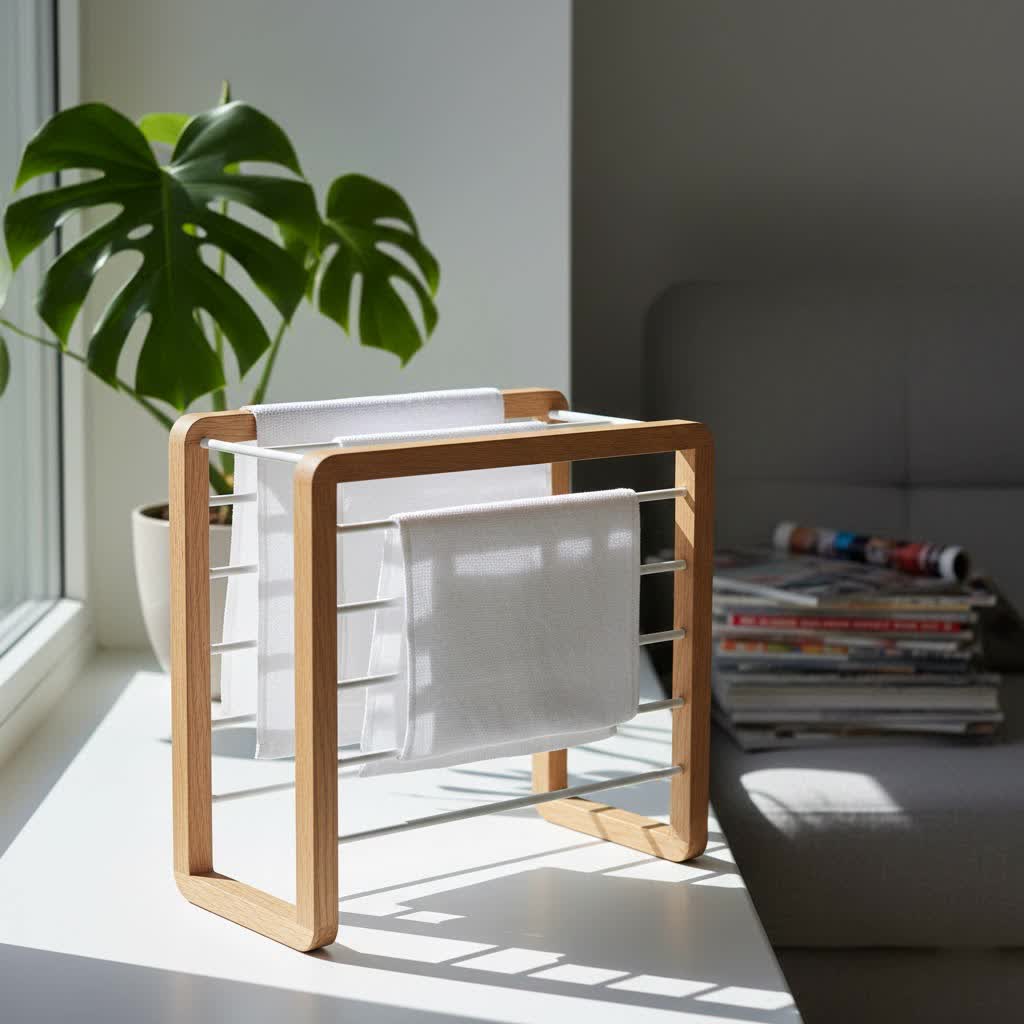
Are you tired of bulky laundry appliances dominating your living space, or perhaps searching for a gentler, more economical way to care for your garments? Whether you’re in a bustling city apartment or a spacious suburban home, finding the ideal drying rack can be a game-changer for your laundry routine and overall household efficiency. Many seek a “Drying Rack Near Me,” indicating a desire for convenient access to solutions that fit their unique needs. This comprehensive guide will explore everything you need to know about drying racks, from their humble origins to the latest smart designs, helping you make an informed choice that brings both convenience and sustainability to your home.
An Overview of Drying Racks
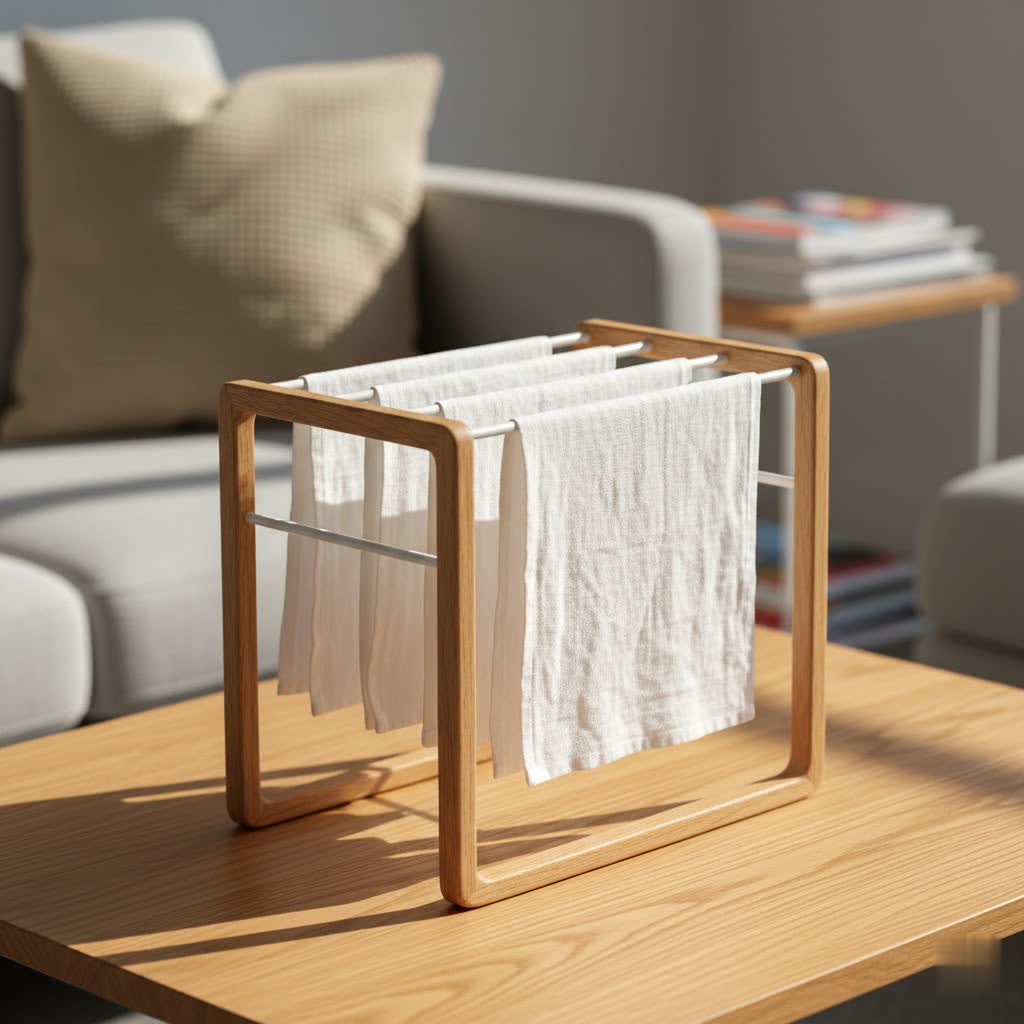
Drying racks, also known as clothes airers or laundry racks, are essential household items designed to air-dry clothes and other items. Their primary function is to provide a dedicated space for wet garments to dry naturally, promoting air circulation and preventing the damage that can occur with machine drying. This simple tool offers a myriad of benefits, from energy savings to extending the lifespan of your favorite apparel.
The history of drying racks is surprisingly rich, evolving alongside human civilization’s need for clean, dry clothing. The earliest forms involved simply laying garments on natural surfaces like rocks or bushes, or near a fire. Ancient Egyptians, for instance, utilized basic wooden racks to elevate clothes, leveraging natural sunlight and air to speed up drying. By the late eighteenth century in Europe, the more sophisticated overhead clothes airer, or “pulley maid,” emerged, featuring a rope and pulley system to raise and lower clothes. These systems became commercially available by the mid-19th century. Further innovations in the mid-20th century, spurred by urban living and smaller spaces, introduced lightweight metals and plastics, leading to the foldable and adjustable designs we commonly see today. The continuous evolution reflects a persistent desire for efficient, space-saving, and eco-friendly drying solutions.
Today, the market boasts a diverse array of drying racks, catering to every imaginable need. These include traditional freestanding clothes drying racks, specialized dish drying racks, and versatile multi-purpose options that adapt to various household items. Each type offers distinct advantages, making the right choice dependent on your specific requirements and available space.
Exploring Popular Drying Rack Types
The world of drying racks offers a multitude of designs, each tailored to different spaces and drying needs. Understanding the characteristics of each can help you select the best fit for your home.
Clothes Drying Racks
Clothes drying racks are perhaps the most common type, designed specifically for garments. They come in various configurations:
- A-Frame Drying Racks: These freestanding racks are shaped like an “A” when open, providing multiple horizontal bars for hanging clothes.
- Pros: Often foldable for compact storage, relatively stable, good airflow on both sides of garments, versatile for various clothing sizes.
- Cons: Takes up considerable floor space when in use, may not accommodate very long items without touching the floor.
- Materials: Commonly made from stainless steel, coated steel, or wood. Stainless steel and coated steel offer durability and rust resistance, while wood provides an aesthetic appeal, often with a waterproof finish.
- Gullwing Drying Racks: Named for their wings that extend upwards and outwards, resembling a gull’s wings.
- Pros: High capacity with multiple drying levels and sometimes flat mesh areas for delicates, adjustable wings for different garment lengths, often foldable.
- Cons: Can be large even when folded, may be heavier than simpler models.
- Materials: Typically constructed from metal (steel or aluminum) with rust-resistant coatings for durability and stability.
- Wall-Mounted Drying Racks: These racks attach directly to a wall and can often be retracted or folded flat when not in use.
- Pros: Excellent for saving floor space, ideal for small laundry rooms or bathrooms, sleek and discreet when folded away, some offer extendable rods.
- Cons: Fixed location, requires installation, may not be suitable for very heavy loads unless securely mounted.
- Materials: Often made from stainless steel or aluminum for corrosion resistance in humid environments. Some feature plastic-coated steel rods.
- Smart/Automatic Drying Racks: Modern innovations include motorized or remote-controlled racks that can be raised and lowered, sometimes with additional features like fans or UV lights.
- Pros: Automated operation reduces manual effort, excellent space-saving as they can retract into ceilings or walls, often have advanced load-bearing and windproof designs, fashionable aesthetics.
- Cons: Significantly higher price, potential for higher maintenance costs due to complex mechanisms, requires a sturdy load-bearing wall or ceiling for installation.
|
Our Picks for the Best Drying Rack in 2026
We may earn a commission when you use one of our links to make a purchase.
|
||
| Num | Product | Action |
|---|---|---|
| 1 | JASIWAY Dish Drying Rack in Sink, Expandable Stainless Steel Dish Drainers for Kitchen Counter, Dish Dryer Rack for Inside Sink, Over The Sink Dish Racks with Utensil Holder, Silver |

|
| 2 | 2026 Enhanced Clothes Drying Rack - Foldable Drying Rack Clothing for Laundry - Small Collapsible Portable Dryers for Laundry - Use for Indoor & Outdoor - White 37.5"x29"x12" |
|
| 3 | HOMIDEC Clothes Drying Rack, Oversized 4-Tier(67.7" High) Foldable Stainless Steel Drying Rack Clothing, Movable Drying Rack with 4 castors, 24 Drying Poles and 14 Hooks for Bed Linen, Clothing, Grey |
|
| 4 | Whitmor Folding Drying Rack, White |
|
| 5 | Drying Rack Clothing, 3-Tier Clothes Drying Rack Foldable, Antirust Laundry Drying Rack Collapsible Use for Indoor & Outdoor, 11.8" D x 34.6" W x 35.4" H, White |
|
| 6 | Foldable Drying Rack Clothing, 3-Tier Portable Clothes Drying Racks for Indoor & Outdoor, Anti-Rust Compact Laundry Rack Collapsible, White 28" D x 10" W x 35" H |
|
| 7 | Honey-Can-Do Collapsible Clothes Drying Rack – Durable, Space-Saving Laundry & Towel Rack, Sturdy Clothing Rack for Hanging Clothes Indoors & Outdoors, Steel |
|
| 8 | Honey-Can-Do Collapsible Bamboo Drying Rack – Sturdy & Foldable Laundry Drying Rack, Space-Saving & Portable Clothes Rack for Air-Drying Clothes, Towels, Blankets & Delicates, Indoor & Outdoor Use. |
|
| 9 | Clothes Drying Rack Tripod,Drying Rack Clothing,Laundry Drying Rack,Floor Standing,16 Wooden Poles,Collapsible Drying Racks for Laundry,Retractable,Foldable,Folding |
|
| 10 | Honey-Can-Do Collapsible Laundry Drying Rack, Sturdy Steel, Foldable & Portable Clothes Drying Rack, Space-Saving Design, Indoor & Outdoor Drying, Ideal for Laundry Room 50lb Capacity, Silver |
|
When choosing a clothes drying rack, consider its capacity (often measured in linear feet of drying space), its footprint when open and closed, and the types of garments you typically air-dry.
Dish Drying Racks
Designed specifically for kitchenware, dish drying racks help air-dry washed dishes, glasses, and utensils.
- Types: These come in various forms, including freestanding countertop models, in-sink racks that fit inside your basin, and over-the-sink designs that typically span across the sink. Many feature two or three tiers for increased capacity, integrated drainboards to collect water, and specialized compartments for cutlery, cups, and even cutting boards.
- Materials: The choice of material is crucial for dish racks due to constant exposure to water.
- Stainless Steel: Highly durable, rust-resistant, and hygienic due to its non-porous surface. It’s excellent for heavy pots and pans but can be more expensive.
- Vinyl-Coated Wire: A more affordable alternative to stainless steel, offering protection against scratches for both dishes and countertops.
- Plastic: Lightweight and budget-friendly, easy to clean, but can be prone to chipping, cracking, or discoloration over time.
- Bamboo: A sustainable option, providing a natural aesthetic, but requires regular care and drying to prevent warping or mold.
- Silicone: Increasingly popular for its flexibility, heat resistance, and easy cleaning.
- Maintenance: Look for racks with removable drip trays for easy water disposal and cleaning. Some components may be dishwasher safe, simplifying upkeep and preventing mildew and bacteria buildup.
Multi-Purpose Drying Racks
These versatile racks are designed to handle more than just clothes, offering flexible solutions for various household drying needs.
- Features and Applications: Beyond garments, multi-purpose racks can be used to dry delicate items that need to lay flat (like sweaters on a mesh shelf), shoes, gardening produce (herbs, flowers), and even personal accessories like scarves and ties. Some designs incorporate features like adjustable shelves, hanger holes, and specialized clips.
- Design and Convenience: Many multi-purpose racks emphasize smart, collapsible, or wheeled designs for maximum convenience. This allows them to be easily moved between rooms, used outdoors on a sunny day, or compactly stored away when not in use. Their adaptability makes them invaluable for homes with limited space or for individuals seeking a single solution for diverse drying tasks.
Comparative Analysis of Drying Rack Types
To help you visualize the differences, here’s a comparison of common drying rack types:
| Feature | A-Frame/Gullwing (Freestanding) | Wall-Mounted/Retractable | Dish Drying Rack | Multi-Purpose (e.g., Tower, Expandable) |
|---|---|---|---|---|
| Material | Stainless steel, coated steel, wood | Stainless steel, aluminum, plastic-coated steel | Stainless steel, vinyl-coated wire, plastic, bamboo, silicone | Stainless steel, plastic, bamboo, coated steel |
| Size (Open) | Medium to Large (can be wide) | Compact to Medium (extends outwards from wall) | Small to Medium (countertop, in-sink) | Small to Large (various configurations) |
| Load Capacity | Moderate to High (multiple garments) | Moderate (depends on length/number of rods) | Varies (plates, bowls, cutlery, cups) | Moderate to High (clothes, delicates, shoes, small items) |
| Portability | Highly portable (foldable, some with wheels) | Fixed (once installed), but discreet when retracted | Generally fixed on counter or in-sink | Highly portable (often foldable, collapsible, or with wheels) |
| Space-Saving | Folds for storage, but needs floor space when in use | Excellent (folds flat against wall/ceiling) | Can be space-saving (in-sink, over-sink designs) | Good (many designs are compact or foldable) |
| Advantages | Versatile, good airflow, varied capacity | Maximizes floor space, discreet, modern aesthetic | Specialized for kitchenware, promotes hygiene | High versatility, adaptable to many item types, often portable |
| Disadvantages | Occupies floor space, can be bulky | Requires installation, fixed location, some limitations on load | Limited to kitchen use, can clutter counters | May not have specialized features of single-purpose racks |
| Price Range | $20 – $100+ | $50 – $300+ (smart ones higher) | $15 – $80 | $30 – $150+ |
Choosing the right rack depends on your lifestyle:
- For large laundry loads and diverse garment types, a gullwing or large A-frame rack is excellent.
- For small apartments or limited floor space, a wall-mounted or retractable rack is ideal.
- For kitchen hygiene and organization, a dedicated stainless steel or silicone dish rack with a drainboard is best.
- For maximum flexibility and varied household items, a multi-purpose expandable or tower rack will serve you well.
Your Essential Drying Rack Buying Guide
Selecting the perfect drying rack involves more than just picking the first one you see. Consider these factors to ensure your choice meets your specific needs:
1. Identify Your Usage Needs
Start by assessing what you primarily need to dry.
- Type of Items: Are you mainly drying clothes, delicates, shoes, baby items, kitchen dishes, or a mix of everything? This will guide you toward clothes-specific, dish-specific, or multi-purpose racks.
- Laundry Load Size: How much laundry do you typically air-dry at once? For a large family, a high-capacity, multi-tiered rack or a large gullwing might be necessary. For individuals or couples, a compact or over-the-door model might suffice.
- Drying Environment: Where will you use the rack? Indoors in a laundry room, bathroom, or living area? Or outdoors on a balcony, patio, or in the yard? This impacts material choice (e.g., rust-resistant for outdoors) and portability.
2. Choose the Right Material
The material of your drying rack significantly impacts its durability, longevity, and suitability for different environments.
- Stainless Steel: Excellent for both clothes and dishes due to its robust, rust-resistant, and easy-to-clean properties. It withstands heavy loads and humid conditions well.
- Aluminum: Lighter than steel and naturally rust-proof, making it a good choice for portable or outdoor racks.
- Wood: Offers an aesthetic appeal, particularly for indoor use. Ensure it has a waterproof coating to prevent warping or mold. Bamboo is a popular sustainable wood option but requires careful maintenance.
- Plastic: Lightweight and budget-friendly, making it highly portable. Best for lighter loads and less frequent use, as it can be less durable and prone to damage over time.
- Coated Steel/Wire: Often used for clothes and dish racks, offering durability with a protective coating to prevent rust and scratches.
3. Consider Size and Weight Capacity
Measure your available space before purchasing.
- Dimensions: Choose a rack that fits comfortably in your designated drying area when fully extended, but also consider its folded dimensions for storage. For tight spaces, wall-mounted or slim folding racks are ideal.
- Weight Capacity: Check the maximum weight the rack can support. Wet clothes are surprisingly heavy, so ensure the rack can handle your typical laundry load without sagging or collapsing.
4. Evaluate Design and Features
Modern drying racks come with a variety of features to enhance usability.
- Foldability/Retractability: Essential for space-saving. Look for easy-to-fold mechanisms for quick setup and storage. Retractable wall-mounted racks are perfect for keeping floor space clear.
- Adjustability: Adjustable height or extendable wings offer flexibility for drying different garment lengths or larger items like bedsheets.
- Ventilation: Well-spaced drying bars are crucial for efficient air circulation, which speeds up drying and prevents mildew.
- Added Features: Mesh shelves are great for flat-drying delicate sweaters. Hanger holders or clips can secure shirts or small items. Some portable racks even come with wheels for easy movement. Smart racks may include automated lifting, fans, or UV sanitizers.
5. Research Brands and Price
- Reputation: Opt for reputable brands known for quality and customer service. Check reviews for insights into durability and user experience.
- Budget: Drying racks are available across a wide price spectrum. While budget-friendly options exist, investing a bit more in a high-quality, durable rack made from superior materials can save you money in the long run by reducing the need for replacements.
Tips for Using and Maintaining Your Drying Rack
Maximize the effectiveness and lifespan of your drying rack with these practical tips:
- Load Evenly: Distribute clothes evenly across the bars to prevent the rack from tipping and ensure balanced drying. Avoid overloading, which can hinder airflow and cause slow drying.
- Space for Airflow: Give garments enough space between them for air to circulate freely. This is key to faster drying and preventing musty odors.
- Utilize Hangers: For items prone to wrinkles, hang them directly on hangers on the rack. This can significantly reduce ironing time.
- Position for Drying: Place your drying rack in a well-ventilated area, ideally near an open window or in a room with a fan, to accelerate drying. For outdoor use, position it to maximize sun exposure, but be mindful that direct, intense sunlight can fade some colors.
- Delicates Flat: Use mesh shelves or lay delicate items flat on a clean, dry towel placed on the rack to maintain their shape and prevent stretching.
- Clean Regularly: Wipe down your drying rack periodically with a damp cloth and mild detergent, especially if it’s used outdoors or for dishes. For dish racks, pay attention to drain trays and crevices where water and food particles can accumulate. Stainless steel and plastic components can often be cleaned with soap and water, while wooden racks may require specialized wood cleaners and occasional oiling to maintain their finish.
- Store Properly: When not in use, fold or retract your rack and store it in a dry place to prevent rust (for metal types) or warping (for wooden ones).
Conclusion
Choosing the right drying rack is a simple yet impactful decision that enhances your home’s functionality and aligns with a more sustainable lifestyle. By understanding the various types, materials, and features available, you can confidently select a solution that perfectly matches your space and needs, whether you’re looking for a clothes drying rack near me or a versatile multi-purpose option. Embrace the benefits of air-drying – from reducing energy bills and protecting your clothes to simply enjoying the fresh scent of line-dried laundry. What kind of drying rack will you choose to transform your laundry routine?
Frequently Asked Questions
What are the main benefits of using a drying rack over a tumble dryer?
Using a drying rack significantly reduces energy consumption, saving money on electricity bills. It’s also gentler on clothes, preventing shrinkage, pilling, and fading, thus extending garment life. Additionally, it’s an eco-friendly choice that reduces your carbon footprint.
Can I use a drying rack outdoors?
Yes, many drying racks are suitable for outdoor use. Look for models made from rust-resistant materials like stainless steel, aluminum, or treated wood. Outdoor drying harnesses natural sun and wind, leaving clothes with a fresh scent.
How do I choose a drying rack for a small apartment?
For small spaces, consider wall-mounted retractable racks that fold flat, over-the-door racks, or compact, foldable A-frame or tower designs. These options maximize vertical space and can be easily stored when not in use, keeping your living area clutter-free.
What materials are best for a dish drying rack?
Stainless steel is highly recommended for dish drying racks due to its durability, rust resistance, and hygienic properties. Vinyl-coated wire is a good alternative for protecting dishes and counters, while silicone offers flexibility and easy cleaning. Bamboo provides a natural look but requires more maintenance.
How do I prevent my clothes from getting stiff when air-drying?
To prevent stiffness, ensure clothes are thoroughly spun in the washing machine to remove excess water. Shake out garments before hanging, distribute them loosely for optimal airflow, and avoid over-drying in direct, harsh sun. Some people find that a small amount of white vinegar in the rinse cycle can also help soften fabrics.