Managing laundry efficiently is a common challenge, especially for those without access to outdoor lines or who prefer to minimize tumble dryer use. An Inside Drying Rack offers a versatile and eco-friendly solution, transforming how you approach laundry day. These ingenious tools provide a convenient way to air-dry garments, protecting delicate fabrics, saving energy, and optimizing space within your home.
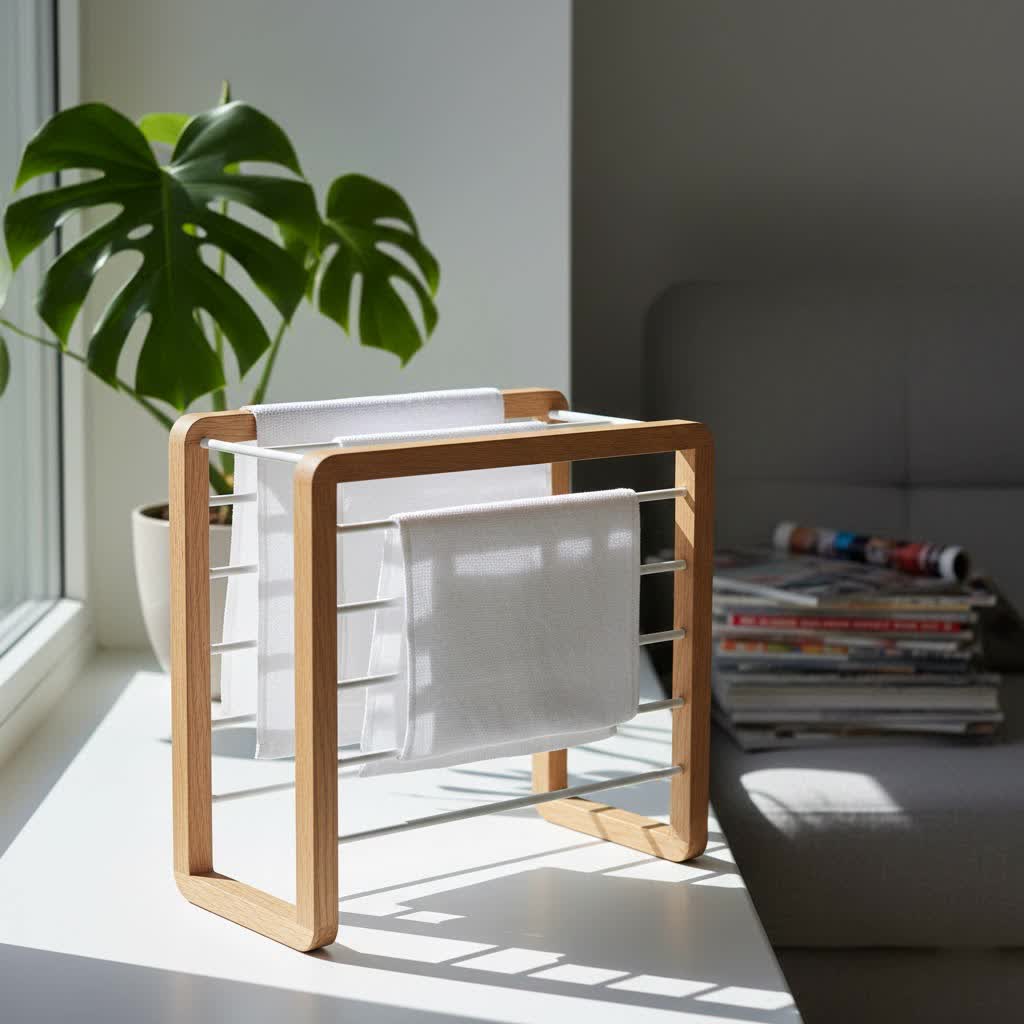
This comprehensive guide will explore the world of inside drying racks, from their fundamental purpose and evolution to the diverse types available on the market. We’ll delve into a detailed buying guide, offering practical advice to help you select the perfect rack for your needs, and share expert tips on how to use and maintain it for maximum efficiency and longevity. Discover how an inside drying rack can streamline your laundry routine and contribute to a more sustainable lifestyle.
Overview of Drying Racks
A drying rack, often referred to as a clothes airer, is a practical household item designed to facilitate the natural air-drying of laundry. Its primary purpose is to provide a structure for hanging wet clothes, allowing them to dry gently without the need for electricity or direct heat from a machine. This method is particularly beneficial for delicate garments, items prone to shrinking, or simply as an energy-saving alternative to tumble dryers.
The concept of air-drying clothes is as old as laundry itself, traditionally relying on outdoor clotheslines. However, with urbanization, smaller living spaces, and unpredictable weather, the inside drying rack has evolved to meet modern needs. Early versions were often simple, collapsible wooden frames. Today, drying racks come in a myriad of designs, materials, and features, ranging from basic accordion styles to sophisticated wall-mounted units with integrated smart functionalities. They serve not only as functional tools but also as space-saving solutions for contemporary homes, ensuring your garments dry safely and efficiently indoors.
Popular Types of Inside Drying Racks on the Market
The market offers a wide array of inside drying racks, each designed to cater to specific needs, space constraints, and laundry types. Understanding the different categories can help you make an informed decision about the best fit for your home.
Clothes Drying Racks
These are the most common types, primarily used for air-drying garments. Their designs focus on maximizing hanging space while often incorporating features for compact storage.
- Accordion/Folding Racks: These classic racks feature multiple horizontal bars that fold out in an accordion-like fashion. They are highly portable and collapse flat for easy storage, making them a popular choice for apartments or homes with limited space. Accordion racks, such as the Honey-Can-Do Wooden Laundry Drying Rack or Amazon Basics Folding Laundry Rack, offer a good balance of capacity and compactness.
- Gullwing Racks: Resembling a bird with open wings, gullwing racks typically have a central flat section and two hinged side wings that can be adjusted to different angles. They provide extensive drying space, often accommodating larger items like sheets or blankets, and may include mesh shelves for flat-drying delicate sweaters. Models like the Honey-Can-Do Heavy Duty Gullwing Drying Rack are known for their robust capacity.
- Tiered Racks: These racks utilize vertical space, often featuring multiple levels or shelves. They are excellent for drying smaller items like socks, underwear, or for laying garments flat. Some tiered designs, like the Minky 3 Tier Plus Clothes Airer, offer significant drying line length within a compact footprint.
- Over-the-Door Racks: Designed to hang over any standard door, these racks are perfect for extremely small spaces or as supplementary drying areas. They are easy to install and remove, providing quick drying solutions without occupying floor space.
- Wall-Mounted/Retractable Racks: For a more permanent and integrated solution, wall-mounted racks are installed directly onto a wall and can be folded flat or retracted when not in use. These are ideal for laundry rooms, bathrooms, or balconies where floor space is at a premium. Some advanced models, like those from HYK Design, offer retractable lines and can include features like UV sterilization or fan-assisted drying.
- Sweater Drying Racks: Specifically designed for delicate knitwear, these racks feature flat mesh surfaces. They allow sweaters and other delicate items to dry horizontally, preventing stretching and maintaining their original shape. The OXO Folding Sweater Drying Rack is a prime example, providing gentle support for sensitive fabrics.
|
Our Picks for the Best Drying Rack in 2026
We may earn a commission when you use one of our links to make a purchase.
|
||
| Num | Product | Action |
|---|---|---|
| 1 | Clothes Drying Rack Tripod,Drying Rack Clothing,Laundry Drying Rack,Floor Standing,16 Wooden Poles,Collapsible Drying Racks for Laundry,Retractable,Foldable,Folding |

|
| 2 | Drying Rack Clothing, 3-Tier Clothes Drying Rack Foldable, Antirust Laundry Drying Rack Collapsible Use for Indoor & Outdoor, 11.8" D x 34.6" W x 35.4" H, White |
|
| 3 | 2026 Enhanced Clothes Drying Rack - Foldable Drying Rack Clothing for Laundry - Small Collapsible Portable Dryers for Laundry - Use for Indoor & Outdoor - White 37.5"x29"x12" |
|
| 4 | Honey-Can-Do Collapsible Laundry Drying Rack, Sturdy Steel, Foldable & Portable Clothes Drying Rack, Space-Saving Design, Indoor & Outdoor Drying, Ideal for Laundry Room 50lb Capacity, Silver |
|
| 5 | Honey-Can-Do Collapsible Bamboo Drying Rack – Sturdy & Foldable Laundry Drying Rack, Space-Saving & Portable Clothes Rack for Air-Drying Clothes, Towels, Blankets & Delicates, Indoor & Outdoor Use. |
|
| 6 | Honey-Can-Do Collapsible Clothes Drying Rack – Durable, Space-Saving Laundry & Towel Rack, Sturdy Clothing Rack for Hanging Clothes Indoors & Outdoors, Steel |
|
| 7 | Foldable Drying Rack Clothing, 3-Tier Portable Clothes Drying Racks for Indoor & Outdoor, Anti-Rust Compact Laundry Rack Collapsible, White 28" D x 10" W x 35" H |
|
| 8 | Whitmor Folding Drying Rack, White |
|
| 9 | JASIWAY Dish Drying Rack in Sink, Expandable Stainless Steel Dish Drainers for Kitchen Counter, Dish Dryer Rack for Inside Sink, Over The Sink Dish Racks with Utensil Holder, Silver |
|
| 10 | HOMIDEC Clothes Drying Rack, Oversized 4-Tier(67.7" High) Foldable Stainless Steel Drying Rack Clothing, Movable Drying Rack with 4 castors, 24 Drying Poles and 14 Hooks for Bed Linen, Clothing, Grey |
|
Dish Drying Racks
While primarily focused on clothes, indoor drying racks also extend to kitchen essentials. Dish drying racks are essential for air-drying washed tableware, cutlery, and cookware, promoting hygiene and preventing water spots.
- Types: Common varieties include two-tier or three-tier designs for increased capacity, and many come with integrated drip trays to collect excess water, keeping countertops dry. Some innovative designs feature dedicated slots for plates, cups, and cutlery holders.
- Materials: Safety and durability are key. Stainless steel (often 304 grade for corrosion resistance) is a popular choice for its hygiene and longevity. BPA-free PP plastic is also used, especially for more lightweight and colorful options.
- Maintenance: Regular cleaning is crucial to prevent mildew and bacterial growth. Most are designed for easy disassembly and cleaning, ensuring a hygienic drying environment for your dishes.
Multi-purpose Drying Racks
These versatile racks are designed to handle a variety of items beyond just clothes, offering enhanced functionality for diverse household drying needs.
- Features and Applications: Multi-purpose racks often include features like clips for small items, shoe racks, or adjustable shelves for different garment sizes. They can accommodate anything from clothes and delicate lingerie to sports gear, shoes, and even small household textiles.
- Smart and Convenient Design: Many multi-purpose racks emphasize clever design, such as being foldable, stackable, or having adjustable heights and configurations. This allows them to adapt to different loads and spaces, providing optimal convenience. Some high-tech versions might incorporate heating elements or fans for faster drying, catering to a range of drying requirements.
- Popular Models: Many of the gullwing and tiered clothes drying racks can also be considered multi-purpose due to their varied sections and ability to lay items flat or hang them.
Comparison Table of Inside Drying Racks
Choosing the right inside drying rack depends on your specific needs, available space, and budget. Here’s a comparison to help you weigh your options:
| Type of Drying Rack | Material | Size & Footprint | Load Capacity | Pros | Cons | Price Range |
|---|---|---|---|---|---|---|
| Accordion/Folding | Wood, Steel, Plastic | Compact, Collapsible | Medium (15-30 items) | Lightweight, portable, easy to store, versatile for daily use | Can be flimsy if overloaded, may not handle very heavy items well | $20 – $70 |
| Gullwing | Steel, Aluminum | Medium to Large | Large (30-50 items) | High capacity, sturdy, good for large items, often has flat drying areas | Can be bulky when open, requires more floor space | $40 – $100 |
| Tiered | Steel, Plastic | Vertical, Small Footprint | Medium (20-40 items) | Excellent for small spaces, good for flat-drying, multiple levels | Clothes may take longer to dry due to vertical stacking, less airflow | $30 – $80 |
| Over-the-Door | Metal, Plastic | Very Small | Small (5-15 items) | Maximizes vertical space, highly portable, no floor space needed | Limited capacity, may not be suitable for heavy items | $15 – $40 |
| Wall-Mounted | Stainless Steel, Aluminum, Wood | Compact when folded, Fixed | Medium to Large (depending on size) | Saves floor space, sturdy, permanent solution, clean aesthetic | Requires installation, less flexible placement once installed | $50 – $150 |
| Retractable | Plastic, Aluminum | Very Compact when retracted | Medium (10-30 items) | Nearly invisible when not in use, great for minimalist spaces, customizable length | Requires installation, lines can sag with heavy loads | $30 – $100 |
| Sweater Rack | Mesh, Plastic, Steel | Small, Stackable | Small (1-3 sweaters) | Preserves garment shape, ideal for delicates and knitwear | Very limited capacity, single-purpose | $15 – $30 |
| Heated | Aluminum, Steel | Varies (often folding) | Medium (15-30 items) | Faster drying, useful in humid climates, can be more effective than unheated | Consumes electricity, higher initial cost | $70 – $200 |
How to Choose the Best Inside Drying Rack (Buying Guide)
Selecting the ideal inside drying rack involves considering several factors to ensure it perfectly aligns with your lifestyle and laundry habits. A thoughtful choice can significantly enhance your home’s functionality and reduce laundry day stress.
Determine Your Usage Needs
Before anything else, clarify what you need the rack for. What types of items do you regularly air-dry? If it’s mainly delicate lingerie and sweaters, a specialized flat sweater rack might be essential. For everyday clothes, t-shirts, and socks, an accordion or gullwing rack offers more versatility. Consider the average volume of your laundry per load and how frequently you’ll be using the rack. If you have a large family, a high-capacity gullwing or multi-tiered rack might be necessary. If you live alone, a compact folding or over-the-door model might suffice. Also, assess your drying environment: Will it be in a dedicated laundry room, a spare bedroom, or a living area? This will influence the size and aesthetic you choose.
Material Selection for Durability and Safety
The material of your drying rack plays a crucial role in its durability, stability, and ease of maintenance.
- Stainless Steel/Coated Steel: These are highly recommended for their robustness, rust resistance, and ability to withstand the weight of wet clothes. Stainless steel (especially 304 grade) is excellent for humid environments and is easy to clean.
- Aluminum: Lightweight and corrosion-resistant, aluminum racks are easy to move around but may not offer the same heavy-duty support as steel.
- Wood: Often made from bamboo or hardwood, wooden racks can be aesthetically pleasing and eco-friendly. Ensure they have a waterproof coating to prevent warping or mold growth from moisture.
- Plastic: Affordable and lightweight, plastic racks are good for light loads but may lack the durability and stability for heavier items. For dish racks, ensure the plastic is food-grade and BPA-free.
Consider Size and Load Capacity
The dimensions of the drying rack, both when open and folded, are vital. Measure your available space to ensure the rack fits comfortably without obstructing movement. Look at the “linear feet of drying space” to understand its true capacity—this refers to the total length of all drying bars combined. A good rack should handle your typical laundry load without overcrowding, which can hinder drying and lead to musty smells. Some racks are designed to hold 30-50 pounds, suitable for heavy wet towels or jeans.
Design and Features for Convenience
Modern drying racks come with a variety of features that enhance their usability:
- Foldability and Portability: Racks that fold flat or collapse easily are excellent for storage when not in use. Lightweight models with wheels offer greater portability.
- Adjustable Height/Wings: These features allow you to customize the rack to accommodate different garment lengths or to increase drying space.
- Mesh Shelves: Ideal for delicate items that need to be laid flat, preventing stretching.
- Hooks/Clips: Useful for small items like socks, underwear, or hanging clothes on hangers.
- Smart Features: Some advanced racks include built-in fans for accelerated drying, UV sterilization to kill bacteria, or even heating elements for faster results, especially in humid conditions.
Brand Reputation and Price
Invest in a drying rack from a reputable brand known for quality and customer service. Check reviews for insights into real-world performance and durability. While cost shouldn’t be the sole deciding factor, compare prices across different models and features to find the best value within your budget. Remember that a slightly higher initial investment in a durable, well-designed rack can save you money and frustration in the long run.
Tips for Using and Maintaining Your Inside Drying Rack
To get the most out of your inside drying rack and ensure your clothes dry efficiently, without issues like musty smells or prolonged drying times, consider these practical tips for usage and maintenance.
Effective Usage for Faster Drying and Optimal Garment Care
- Maximize Airflow: This is the most critical factor for indoor drying. Place your drying rack in a well-ventilated area, such as near an open window or in a room with a dehumidifier or fan. Adequate air circulation helps evaporate moisture quickly and prevents dampness and mold growth. Avoid placing racks in enclosed spaces like unventilated bathrooms.
- Spin Cycle First: Before hanging, use the highest appropriate spin cycle on your washing machine. Removing as much water as possible drastically reduces drying time and prevents dripping.
- Proper Spacing: Don’t overcrowd the rack. Leave enough space between garments for air to circulate freely around each item. Overlapping clothes trap moisture and slow down the process.
- Hang Strategically: For shirts, blouses, and dresses, hang them directly on hangers on the rack. This saves space and helps minimize wrinkles, potentially reducing ironing. For heavier items like jeans, drape them over several bars to distribute weight and ensure even drying.
- Flip and Rotate: Thick garments or items that seem to be drying unevenly can benefit from being flipped or rotated after a few hours to expose damp areas to the air.
- Delicates Flat: For sweaters and other delicate knits, lay them flat on mesh shelves to prevent stretching and maintain their shape.
- Avoid Strong Odors: When drying clothes indoors, try to avoid cooking strong-smelling foods like fish or fried dishes, as fabrics can absorb these odors.
Maintenance and Common Problem Solving
Regular care ensures the longevity of your drying rack and keeps it hygienic.
- Regular Cleaning: Wipe down your drying rack periodically with a damp cloth and mild detergent, especially if it’s made of metal, to prevent dust buildup, rust, or mildew. For wooden racks, ensure they are fully dry after cleaning.
- Proper Storage: When not in use, collapse or retract your drying rack and store it in a dry place. This protects it from damage and keeps your living space tidy.
- Preventing Musty Smells: If clothes develop a musty smell, it’s usually due to insufficient airflow and moisture trapped in the fabric. Ensure good ventilation, space out clothes, and consider using a fan or dehumidifier. Adding white distilled vinegar to the rinse cycle can also help prevent odors.
- Addressing Dampness/Mold: If you notice dampness or mold in your home due to indoor drying, it’s a sign of poor ventilation. Increase air circulation, use a dehumidifier, or explore heated drying racks to manage moisture levels.
By following these tips, you can enjoy the full benefits of your inside drying rack, keeping your clothes fresh, your home healthy, and your laundry routine effortless.
Conclusion
Embracing an inside drying rack offers a multitude of benefits, transforming your laundry routine into a more sustainable, cost-effective, and garment-friendly practice. From protecting delicate fabrics from the harsh heat of a dryer to significantly reducing your energy consumption and carbon footprint, these versatile tools are indispensable for modern living. Whether you’re navigating the challenges of a small apartment, seeking to extend the life of your favorite clothes, or simply aiming for a greener home, there’s an indoor drying rack perfectly suited to your needs.
By carefully considering factors like type, material, capacity, and design, you can select a rack that not only fits your space but also enhances your overall laundry experience. With proper usage and maintenance, your inside drying rack will continue to serve you for years, ensuring fresh, air-dried clothes all year round.
Are you ready to elevate your laundry game and make a sustainable choice for your home and wardrobe?
Frequently Asked Questions
How can I make my clothes dry faster indoors?
To speed up indoor drying, place your rack in a well-ventilated area, use a fan or dehumidifier to circulate air, ensure clothes are well-spun in the washer to remove excess water, and leave ample space between items for optimal airflow.
How do I prevent clothes from smelling musty when drying indoors?
Musty smells are caused by trapped moisture. Prevent this by ensuring excellent ventilation, never overloading the rack, and using a higher spin cycle in your washing machine. Opening windows or using a fan significantly helps.
What are the best materials for an inside drying rack?
Stainless steel or powder-coated steel are highly recommended for durability, rust resistance, and sturdiness. Bamboo and aluminum are also good options, with bamboo offering aesthetic appeal and aluminum providing a lightweight, corrosion-resistant solution.
Can I dry heavy items like jeans or towels on an indoor drying rack?
Yes, many indoor drying racks, particularly gullwing and robust accordion models, are designed to handle heavier items. Distribute the weight evenly across multiple bars to prevent sagging or tipping and ensure proper airflow for thorough drying.
Are heated indoor drying racks worth the investment?
Heated indoor drying racks can be a worthwhile investment, especially in humid climates or during colder months, as they accelerate drying time. While they consume some electricity, they are generally more energy-efficient than a tumble dryer and ensure clothes dry quickly and remain fresh.